Pressure Gauge Testing: Detailed Overview of Methods and Standards
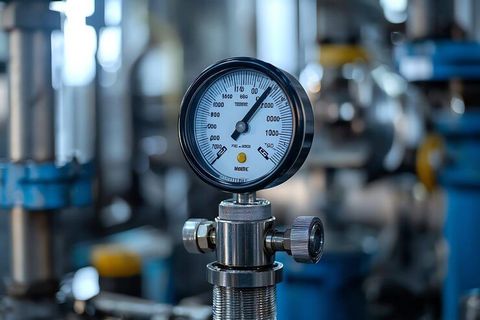
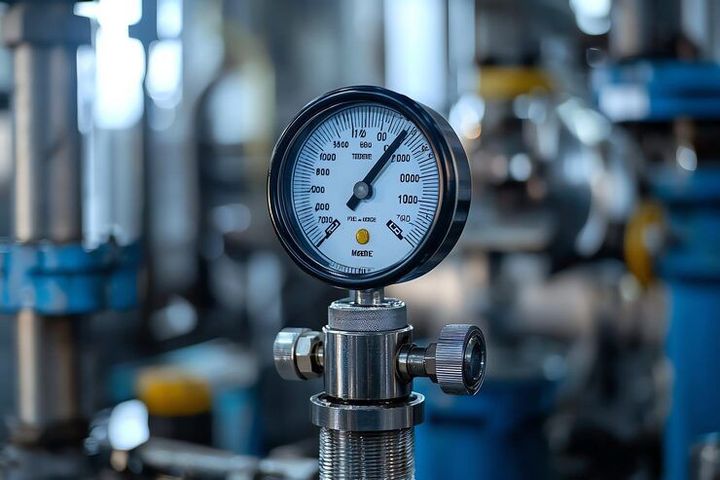
Pressure gauge testing is the process of verifying whether a pressure gauge measures pressure accurately within its specified tolerance limits. Pressure gauges are widely used in manufacturing, oil and gas operations, chemical processing, water treatment facilities, power generation, and many other industrial environments. Regular testing helps ensure that readings remain reliable and that equipment operates safely.
A pressure gauge may gradually drift from its original calibration because of vibration, temperature fluctuations, mechanical wear, pressure spikes, or environmental conditions. Testing identifies these deviations before they create operational problems.
Accurate pressure measurement is critical because incorrect readings can lead to equipment damage, process inefficiencies, safety hazards, and regulatory compliance issues.
How Pressure Gauge Testing Works
Pressure gauge testing compares the reading of a gauge under test against a known reference standard with higher accuracy. The reference device may be a calibrated digital pressure calibrator, deadweight tester, or precision pressure controller.
The testing process generally follows these steps:
- Inspect the gauge for visible damage
- Connect the gauge to a calibrated pressure source
- Apply pressure in controlled increments
- Record readings at multiple test points
- Compare results with the reference standard
- Calculate measurement error
- Determine whether the gauge meets tolerance requirements
If the measured error exceeds acceptable limits, the gauge may require adjustment, recalibration, repair, or replacement.
Main Components Used During Testing
Pressure gauge testing involves several important components that work together to produce accurate results.
Key Components
- Pressure gauge under evaluation
- Reference pressure standard
- Pressure generation equipment
- Test hoses and fittings
- Isolation valves
- Data recording system
- Calibration software
- Environmental monitoring instruments
These components help technicians verify measurement accuracy while maintaining traceability to recognized standards.
Common Types of Pressure Gauges
Different industries use different gauge designs depending on operating conditions and measurement requirements.
| Pressure Gauge Type | Typical Application | Key Characteristic |
|---|---|---|
| Bourdon Tube Gauge | Manufacturing plants | Mechanical and durable |
| Digital Pressure Gauge | Process industries | High accuracy and data logging |
| Differential Pressure Gauge | Filtration systems | Measures pressure difference |
| Diaphragm Pressure Gauge | Corrosive environments | Chemical resistance |
| Capsule Pressure Gauge | Low-pressure systems | Sensitive measurements |
| Vacuum Gauge | Vacuum applications | Measures below atmospheric pressure |
Why Pressure Gauge Testing Is Important
Pressure gauge testing supports operational reliability, workplace safety, and quality assurance.
Major Benefits
- Improves measurement accuracy
- Reduces equipment failure risks
- Supports process consistency
- Enhances worker safety
- Helps meet regulatory requirements
- Detects instrument drift early
- Extends equipment lifespan
- Improves maintenance planning
In industries where pressure directly affects production quality, even small measurement errors can create significant operational challenges.
Industries That Depend on Pressure Gauge Testing
Pressure measurement plays a critical role across numerous sectors.
Common Applications
- Oil and gas facilities
- Chemical processing plants
- Pharmaceutical manufacturing
- Food and beverage production
- Water treatment operations
- Power generation facilities
- Aerospace testing environments
- HVAC systems
- Hydraulic equipment
- Pneumatic machinery
These industries rely on precise pressure measurements to maintain product quality, operational efficiency, and safety compliance.
Common Testing Methods
Several testing approaches are used depending on the required accuracy level and application.
Deadweight Testing
Deadweight testers generate highly accurate pressure using calibrated weights and piston assemblies. They are considered one of the most reliable pressure calibration methods.
Comparison Testing
The gauge under test is compared against a certified reference instrument while both are exposed to the same pressure source.
Automated Calibration
Modern calibration systems use software-controlled pressure generation and automated data collection to improve efficiency and reduce human error.
Field Verification
Portable calibration equipment allows technicians to test gauges directly at operating locations without removing instruments from service.
Challenges Solved by Pressure Gauge Testing
Pressure gauge testing addresses several operational concerns that can affect productivity and safety.
Common Problems
- Incorrect process readings
- Equipment overpressure risks
- Product quality variations
- Unexpected shutdowns
- Maintenance inefficiencies
- Regulatory non-compliance
- Instrument degradation
- Data accuracy concerns
Routine testing helps identify these issues before they become serious operational problems.
Calibration Intervals and Best Practices
Testing frequency depends on operating conditions, industry requirements, and equipment criticality.
Recommended Practices
- Establish documented calibration schedules
- Use traceable reference standards
- Maintain calibration records
- Verify gauges after repairs
- Inspect instruments before testing
- Train personnel on testing procedures
- Protect gauges from excessive vibration
- Replace damaged instruments promptly
Critical process instruments may require more frequent verification than gauges used in non-critical applications.
Industry Standards and Regulatory Considerations
Pressure gauge testing often follows recognized national and international standards.
Common Standards
- ISO 17025 laboratory competence requirements
- ASME pressure measurement guidelines
- ANSI instrumentation standards
- IEC industrial measurement standards
- National metrology institute traceability requirements
- Occupational safety regulations for pressure systems
Organizations frequently maintain documented calibration programs to demonstrate compliance with quality and safety requirements.
Recent Developments in Pressure Gauge Testing (2025–2026)
Pressure measurement technology continues to evolve with advancements in digital instrumentation and industrial automation.
Emerging Trends
- Increased adoption of smart pressure gauges
- Wireless calibration data collection
- Cloud-connected monitoring systems
- Automated calibration workflows
- AI-assisted predictive maintenance programs
- Enhanced cybersecurity for industrial instruments
- Digital calibration certificates
- Remote asset monitoring platforms
Notable Developments
- Throughout 2025, many industrial facilities expanded Industrial Internet of Things (IIoT) deployments for continuous pressure monitoring.
- In late 2025 and early 2026, calibration software providers introduced improved digital traceability systems that simplify audit documentation.
- Manufacturers continued integrating wireless communication protocols into pressure instruments to support remote diagnostics and condition monitoring.
- Advanced digital pressure calibrators released during 2025–2026 focused on higher accuracy, automated reporting, and faster testing cycles.
These developments are helping organizations improve measurement reliability while reducing manual administrative work.
Useful Tools and Learning Resources
Professionals involved in pressure gauge testing often use specialized tools and educational resources.
Common Tools
- Digital pressure calibrators
- Deadweight testers
- Pressure controllers
- Calibration pumps
- Data acquisition systems
- Calibration management software
- Pressure transducers
- Reference manometers
Learning Resources
- Instrumentation engineering manuals
- Industrial measurement textbooks
- Metrology training programs
- Professional engineering associations
- Technical standards publications
- Manufacturer application guides
- Industrial automation courses
These resources help technicians stay informed about evolving testing practices and technologies.
Future Outlook
Pressure gauge testing is becoming increasingly digital, automated, and data-driven. As industrial facilities continue adopting smart manufacturing strategies, testing procedures are expected to become more integrated with predictive maintenance systems and centralized asset management platforms.
The growing emphasis on operational efficiency, safety, and data integrity will likely drive further innovation in calibration technology, remote monitoring capabilities, and automated verification systems.
FAQs
What is pressure gauge testing?
Pressure gauge testing is the process of verifying that a pressure gauge accurately measures pressure by comparing its readings against a certified reference standard.
How often should a pressure gauge be tested?
Testing frequency depends on industry requirements, operating conditions, and instrument criticality. Many organizations perform testing annually, while critical applications may require more frequent verification.
What causes a pressure gauge to become inaccurate?
Common causes include mechanical wear, vibration, pressure spikes, temperature changes, corrosion, contamination, and long-term instrument drift.
What is the difference between testing and calibration?
Testing evaluates gauge accuracy, while calibration involves adjusting the instrument when necessary so that it meets specified accuracy requirements.
Which industries require pressure gauge testing?
Industries such as oil and gas, chemical processing, pharmaceuticals, manufacturing, power generation, water treatment, and aerospace commonly require regular pressure gauge testing.
Conclusion
Pressure gauge testing is a fundamental practice for maintaining accurate pressure measurements across industrial operations. By comparing instruments against certified standards, organizations can identify inaccuracies, prevent equipment failures, improve safety, and support regulatory compliance.
Modern testing methods, digital calibration technologies, and smart monitoring systems are making pressure verification more efficient and reliable than ever before. As industries continue embracing automation and connected instrumentation, pressure gauge testing will remain an essential component of effective asset management, quality control, and operational excellence.