Industrial Gear Coupling Insights for Efficient Equipment Performance
Industrial gear coupling is a mechanical device used to connect two rotating shafts and transmit torque from one shaft to another. It is widely used in industrial machinery where high torque transfer, reliability, and alignment flexibility are required.
Unlike rigid shaft connections, gear couplings can accommodate slight misalignment between connected shafts while maintaining efficient power transmission. Their robust design makes them suitable for demanding industrial environments such as manufacturing plants, power generation facilities, mining operations, and heavy engineering industries.
The primary purpose of an industrial gear coupling is to ensure smooth rotational motion between connected equipment while reducing stress on machinery components.
Structure and Working Principle
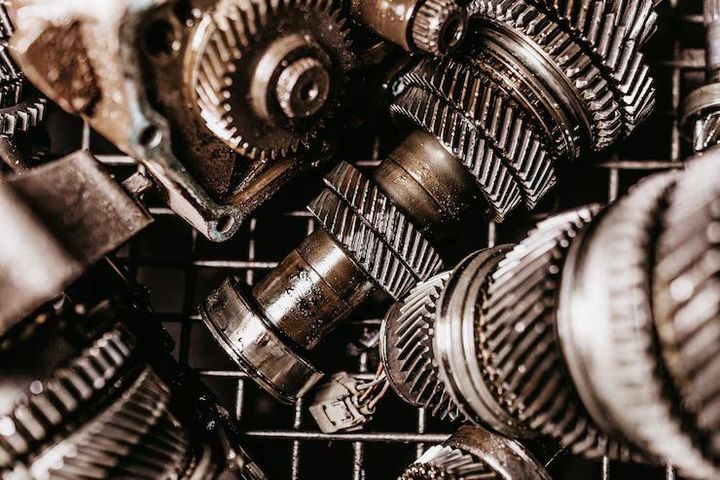
A gear coupling typically consists of two hubs with external gear teeth and two internally toothed sleeves. These components mesh together to create a flexible mechanical connection.
When the driving shaft rotates:
- Torque is transferred through the external gear teeth
- The gear sleeves engage with the hubs
- Rotational force moves from the driving equipment to the driven equipment
- Minor angular, parallel, and axial misalignments are accommodated
This design enables reliable operation even when machinery experiences vibration, thermal expansion, or slight installation inaccuracies.
Main Components of Industrial Gear Couplings
Key Components
- Gear hubs
- Gear sleeves
- Seals
- Retaining rings
- Lubrication system
- Fasteners
- Protective covers
Functions of Components
- Gear hubs connect directly to shafts
- Sleeves provide flexibility through gear engagement
- Seals retain lubricant and prevent contamination
- Retaining rings secure internal components
- Lubrication systems reduce wear and friction
- Fasteners maintain structural integrity
- Covers protect against environmental exposure
Common Types of Industrial Gear Couplings
| Type | Characteristics | Typical Applications |
|---|---|---|
| Full Gear Coupling | High torque capacity and flexibility | Steel mills, mining equipment |
| Half Gear Coupling | One flexible side and one rigid side | Pumps and compressors |
| Continuous Sleeve Coupling | Compact design with fewer components | Industrial drives |
| Flanged Gear Coupling | Easy assembly and maintenance | Heavy machinery |
| Floating Shaft Gear Coupling | Connects widely spaced shafts | Power plants and process industries |
Different industries select coupling types based on operating conditions, shaft alignment requirements, and torque demands.
Importance in Industrial Operations
Industrial equipment often operates under high loads and continuous duty cycles. Gear couplings play a critical role in maintaining reliable operation.
Major Benefits
- High torque transmission capability
- Long operational lifespan
- Misalignment compensation
- Shock load resistance
- Reduced equipment stress
- Improved machinery reliability
- Suitable for harsh environments
These advantages help industrial facilities maintain operational efficiency and reduce unexpected equipment downtime.
Industries That Use Gear Couplings
Industrial gear couplings are found in numerous sectors where heavy-duty power transmission is required.
Common Applications
- Steel manufacturing plants
- Cement production facilities
- Mining operations
- Power generation stations
- Oil and gas processing
- Marine propulsion systems
- Paper manufacturing facilities
- Chemical processing plants
- Water treatment facilities
- Material handling systems
In many of these environments, equipment operates continuously, making dependable torque transmission essential.
Problems Solved by Gear Couplings
Industrial machinery faces several operational challenges that gear couplings help address.
Operational Challenges
- Shaft misalignment
- Vibration transmission
- Thermal expansion effects
- Heavy torque requirements
- Shock loading conditions
- Mechanical stress concentration
Practical Solutions
- Flexible tooth engagement absorbs movement
- Torque is transmitted efficiently under load
- Equipment life is extended
- Maintenance requirements are reduced
- Reliability improves during continuous operation
These capabilities make gear couplings a preferred solution for demanding industrial systems.
Selection Considerations
Choosing an appropriate industrial gear coupling requires evaluation of several technical factors.
Important Factors
- Required torque capacity
- Shaft size and configuration
- Rotational speed
- Environmental conditions
- Misalignment requirements
- Operating temperature
- Maintenance accessibility
- Equipment compatibility
Engineering teams typically analyze operating conditions before selecting a coupling solution.
Lubrication and Maintenance Practices
Proper maintenance significantly influences gear coupling performance and longevity.
Recommended Practices
- Regular lubricant inspection
- Periodic alignment verification
- Seal condition monitoring
- Tooth wear assessment
- Vibration analysis
- Scheduled cleaning
- Temperature monitoring
Proper lubrication is particularly important because gear tooth surfaces experience continuous contact during operation.
Modern maintenance programs often integrate predictive maintenance technologies to identify potential issues before failures occur.
Recent Industry Developments (2025–2026)
The industrial coupling sector has experienced notable advancements during the past year as manufacturers focus on reliability, digital monitoring, and operational efficiency.
Key Developments
- Increased adoption of condition-monitoring sensors in rotating equipment during 2025
- Expansion of predictive maintenance programs using Industrial Internet of Things (IIoT) platforms
- Greater use of advanced alloy steels for improved wear resistance
- Improved sealing technologies designed for contaminated environments
- Enhanced lubrication management systems for longer operating intervals
- Integration of vibration monitoring within digital asset management platforms
- Growing emphasis on energy-efficient industrial drive systems throughout 2025 and 2026
These developments support broader industrial modernization initiatives and smart manufacturing strategies.
Standards and Regulatory Considerations
Industrial gear couplings are often designed and operated according to recognized engineering standards.
Common Standards
- AGMA standards for gear coupling design
- ISO mechanical power transmission standards
- Machinery safety regulations
- Occupational safety requirements
- Equipment reliability guidelines
- Industrial maintenance standards
Compliance with applicable standards helps improve operational safety, equipment reliability, and maintenance consistency.
Organizations should always verify the latest versions of relevant standards for their specific industry and location.
Useful Tools and Learning Resources
Professionals involved in coupling selection, maintenance, and engineering can benefit from several educational and technical resources.
Engineering Resources
- AGMA technical publications
- ISO standards documentation
- Mechanical engineering handbooks
- Rotating equipment training programs
- Industrial maintenance certification courses
- CAD design software
- Predictive maintenance platforms
- Vibration analysis tools
- Reliability engineering resources
These resources help engineers and maintenance teams improve knowledge and operational practices.
Future Outlook
Industrial automation and smart manufacturing continue to influence coupling technology.
Emerging Trends
- Smart coupling monitoring systems
- AI-assisted predictive maintenance
- Digital twin integration
- Advanced material engineering
- Remote equipment diagnostics
- Enhanced reliability analytics
- Greater integration with industrial automation systems
As industrial facilities pursue higher efficiency and reliability, gear couplings are expected to become increasingly integrated with digital maintenance ecosystems.
FAQ
What is the primary purpose of an industrial gear coupling?
An industrial gear coupling connects rotating shafts and transmits torque while accommodating slight shaft misalignment, vibration, and operational movement.
Why are gear couplings preferred in heavy-duty applications?
They provide high torque capacity, excellent durability, and the ability to handle demanding operating conditions found in industrial environments.
How often should gear couplings be inspected?
Inspection frequency depends on operating conditions, but regular checks of lubrication, alignment, seals, and gear tooth condition are recommended as part of preventive maintenance programs.
Can gear couplings handle shaft misalignment?
Yes. One of their main advantages is the ability to accommodate angular, parallel, and axial shaft misalignment within specified limits.
What industries rely most heavily on gear couplings?
Industries such as mining, power generation, steel manufacturing, cement production, marine systems, and oil and gas processing commonly use industrial gear couplings.
Conclusion
Industrial gear couplings are essential components in modern power transmission systems. Their ability to transfer high torque while accommodating shaft misalignment makes them valuable in demanding industrial environments. From steel plants and power stations to mining and manufacturing facilities, these couplings contribute to operational reliability, equipment protection, and efficient machinery performance.
Advancements during 2025 and 2026, including predictive maintenance technologies, improved materials, and smart monitoring capabilities, continue to enhance their effectiveness. By understanding their structure, applications, maintenance requirements, and industry standards, engineers and maintenance professionals can make informed decisions that support reliable and efficient industrial operations.