Best Laptops: Complete Guide to Features, Performance, and Selection
Laptops have become an essential part of modern life.
They are used for education, business activities, content creation, entertainment, communication, and everyday computing tasks. With so many models available, choosing the right laptop can feel overwhelming.
The best laptops combine strong performance, reliable battery life, quality displays, and practical features that match individual needs. Whether someone needs a business laptop, gaming laptop, student laptop, or lightweight ultrabook, understanding the key features helps make a better decision.
This guide explains laptop features, performance factors, categories, and selection considerations in simple and easy-to-understand language.
Understanding the Concept
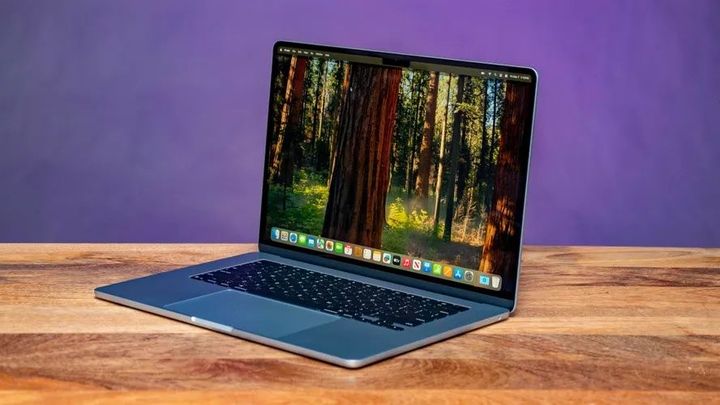
A laptop is a portable computer that combines a screen, keyboard, touchpad, processor, memory, storage, and battery into a single device.
Unlike desktop computers, laptops are designed for mobility and convenience. They allow users to work, study, create content, or enjoy entertainment from almost anywhere.
When discussing the best laptops, several factors matter:
- Processing power
- Memory capacity
- Storage technology
- Display quality
- Battery performance
- Portability
- Connectivity features
The ideal laptop depends on how it will be used. A university student may prioritize battery life and portability, while a video editor may focus on processing performance and display quality.
Common search terms associated with laptop research include laptop deals, gaming laptop, business laptop, student laptop, lightweight laptop, high performance laptop, laptop comparison, laptop reviews, premium laptop, and laptop specifications.
Key Types or Categories
Different laptop categories are designed for different purposes.
Business Laptops
Business laptops focus on reliability, security, and productivity.
Common features include:
- Long battery life
- Durable construction
- Comfortable keyboards
- Advanced security options
- Professional design
These laptops are frequently used in offices and remote work environments.
Student Laptops
Student laptops prioritize portability and everyday performance.
They are often suitable for:
- Online learning
- Research
- Document creation
- Presentations
- Video conferencing
Battery efficiency is particularly important for students who spend long hours on campus.
Gaming Laptops
Gaming laptops are designed for demanding graphical workloads.
Features often include:
- Powerful processors
- Dedicated graphics cards
- High refresh rate displays
- Advanced cooling systems
- Large memory capacity
These laptops can also handle video editing and creative workloads effectively.
Ultrabooks
Ultrabooks are thin and lightweight laptops designed for mobility.
Benefits include:
- Slim design
- Easy portability
- Fast startup times
- Premium build quality
- Efficient battery usage
They are popular among professionals who travel frequently.
Creative Workstation Laptops
These laptops are designed for professionals working with:
- Graphic design
- Video production
- Animation
- Photography
- Engineering applications
They usually include powerful hardware and high-resolution displays.
Important Subsections
Processor Performance
The processor acts as the brain of the laptop.
A faster processor generally improves:
- Multitasking
- Application responsiveness
- Content creation workflows
- Data processing
Popular processor families include Intel Core and AMD Ryzen models.
Memory Capacity
Memory, often called RAM, temporarily stores active data.
Common configurations include:
- 8GB for everyday use
- 16GB for multitasking
- 32GB or more for professional workloads
More memory allows smoother performance when multiple applications run simultaneously.
Storage Technology
Modern laptops commonly use solid-state drives (SSD).
Advantages include:
- Faster startup times
- Quick file access
- Improved responsiveness
- Better durability
SSD storage has largely replaced traditional hard drives in many premium laptops.
Display Quality
The display significantly affects the user experience.
Important factors include:
- Resolution
- Brightness
- Color accuracy
- Refresh rate
- Screen size
Professionals working with visual content often prioritize display quality.
Battery Life
Battery performance influences portability and convenience.
A laptop with strong battery life can support:
- Travel
- Remote work
- Classes
- Meetings
- Outdoor productivity
Battery efficiency remains one of the most important considerations during laptop selection.
How It Works
Understanding laptop performance becomes easier when examining its core components.
Step 1: Input Processing
Users interact with the laptop through:
- Keyboard
- Touchpad
- Touchscreen
- External devices
Commands are sent to the processor for execution.
Step 2: Data Processing
The processor handles calculations and instructions.
It coordinates tasks involving:
- Applications
- Internet browsing
- Media playback
- Productivity tools
Faster processors complete tasks more efficiently.
Step 3: Memory Management
RAM temporarily stores active information.
For example, when multiple browser tabs are open, memory allows quick access to each one.
Step 4: Storage Access
The storage drive saves files permanently.
Examples include:
- Documents
- Photos
- Videos
- Presentations
- Downloads
SSD technology helps retrieve this information quickly.
Step 5: Visual Output
The graphics system sends information to the display.
This enables users to view:
- Applications
- Videos
- Images
- Games
- Online content
The quality of the display affects clarity and overall experience.
Benefits and Advantages
The best laptops provide several important benefits.
Portability
Laptops allow users to work and learn from different locations.
They fit easily into backpacks, travel bags, and workspaces.
Productivity
Modern laptops support numerous productivity activities, including:
- Writing
- Research
- Communication
- Data analysis
- Project management
This flexibility makes them valuable tools for both students and professionals.
Entertainment
Laptops are widely used for:
- Video streaming
- Music playback
- Digital content consumption
- Casual gaming
High-resolution displays enhance the entertainment experience.
Versatility
One device can support multiple activities.
For example, a business professional may use the same laptop for:
- Meetings
- Presentations
- Communication
- Personal entertainment
Long-Term Value
A well-selected laptop can remain useful for many years when matched appropriately to user requirements.
Choosing the right specifications from the beginning often improves long-term satisfaction.
Real-World Examples or Applications
Laptops support countless real-world activities.
University Education
Students use laptops for:
- Online classes
- Research projects
- Assignment preparation
- Group collaboration
Portable devices make learning more flexible.
Business Operations
Professionals rely on business laptops for:
- Document management
- Presentations
- Virtual meetings
- Communication
Remote work environments particularly benefit from laptop mobility.
Content Creation
Creators often use high performance laptops for:
- Video editing
- Graphic design
- Photography workflows
- Digital publishing
Powerful processors and quality displays help improve efficiency.
Gaming and Streaming
Gaming laptops support:
- Modern games
- Live streaming
- Multimedia creation
- Interactive entertainment
Their advanced graphics capabilities provide smooth visual experiences.
Travel and Mobility
Frequent travelers often prefer lightweight laptops with extended battery life.
These devices allow productivity during flights, conferences, and business trips.
Important Factors to Understand
Several factors should be considered before selecting a laptop.
Usage Requirements
Different users have different needs.
Consider whether the laptop will primarily be used for:
- Education
- Business activities
- Creative projects
- Gaming
- General computing
Understanding primary usage helps narrow the options.
Screen Size
Common laptop sizes include:
- 13-inch
- 14-inch
- 15-inch
- 16-inch
- 17-inch
Smaller screens improve portability, while larger screens enhance viewing comfort.
Connectivity Options
Modern laptops may include:
- USB ports
- HDMI connections
- Wireless networking
- Bluetooth support
- Memory card readers
Connectivity requirements vary depending on user preferences.
Build Quality
Durable construction improves longevity.
Premium laptops often feature stronger materials and improved structural design.
Cooling Performance
Effective cooling helps maintain performance during demanding workloads.
Gaming laptops and workstation laptops typically use advanced cooling systems.
Future Trends and Industry Insights
Laptop technology continues to evolve rapidly.
Artificial Intelligence Integration
Artificial intelligence features are becoming more common in modern laptops.
These capabilities may assist with:
- Productivity enhancements
- Performance optimization
- Power management
- Content creation workflows
Improved Battery Technology
Manufacturers continue focusing on battery efficiency.
Future laptops may provide longer usage times without increasing device size.
Advanced Display Technologies
Display innovations include:
- Higher resolutions
- Improved color accuracy
- Better brightness levels
- Enhanced refresh rates
These improvements benefit both professionals and everyday users.
Enhanced Mobility
Future laptop designs may become:
- Thinner
- Lighter
- More durable
Portability remains a major focus across the industry.
Stronger Performance Efficiency
New processor generations continue improving performance while reducing power consumption.
This balance helps deliver faster computing experiences and longer battery life.
Conclusion
The best laptops combine performance, portability, display quality, battery life, and practical features that align with individual needs. Understanding processors, memory, storage, displays, and connectivity helps users make informed decisions.
Whether selecting a student laptop, business laptop, gaming laptop, ultrabook, or creative workstation, focusing on intended usage is the most effective approach. Modern laptops support education, productivity, entertainment, content creation, and professional activities in a highly portable form.
As technology continues advancing, laptops will become even more powerful, efficient, and versatile, making them essential tools for everyday digital life.