Wastewater Treatment Plant Overview and Environmental Applications
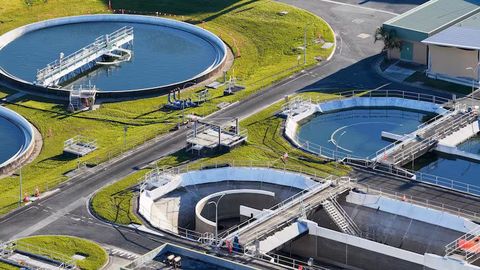
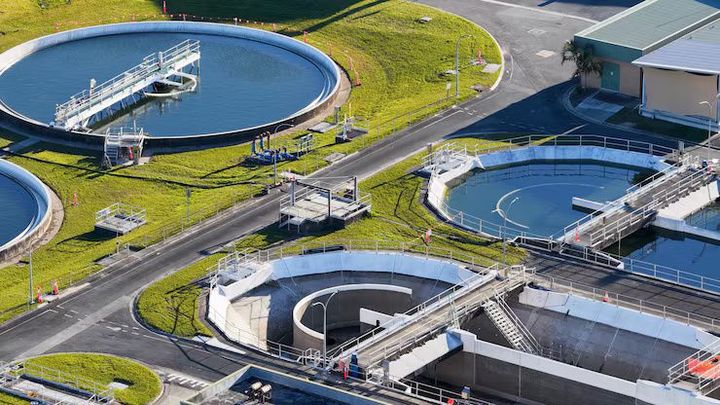
A wastewater treatment plant (WWTP) is a facility designed to remove contaminants from wastewater before it is released into the environment or reused for various purposes. Wastewater originates from homes, industries, commercial buildings, and agricultural activities. Without proper treatment, contaminated water can harm ecosystems, public health, and water resources.
Modern wastewater treatment plants use a combination of physical, biological, and chemical processes to remove solids, organic matter, nutrients, pathogens, and other pollutants. These facilities play a critical role in protecting rivers, lakes, groundwater, and coastal areas while supporting sustainable water management practices.
How a Wastewater Treatment Plant Works
Wastewater treatment follows a structured process that gradually removes impurities from incoming water.
| Treatment Stage | Primary Purpose | Main Processes |
|---|---|---|
| Preliminary Treatment | Remove large debris | Screening, grit removal |
| Primary Treatment | Separate suspended solids | Sedimentation tanks |
| Secondary Treatment | Remove organic pollutants | Biological treatment |
| Tertiary Treatment | Improve water quality | Filtration, nutrient removal |
| Disinfection | Eliminate harmful microorganisms | UV, ozone, chlorination |
| Sludge Processing | Manage collected solids | Thickening, digestion, dewatering |
Each stage contributes to producing cleaner water that meets environmental discharge or reuse standards.
Main Components of a Wastewater Treatment Plant
Screening Systems
- Remove plastics, rags, and large debris
- Protect downstream equipment
- Improve operational efficiency
Grit Chambers
- Separate sand, gravel, and heavy particles
- Reduce wear on pumps and machinery
Primary Clarifiers
- Allow suspended solids to settle
- Remove floating oils and grease
Biological Reactors
- Use microorganisms to break down organic matter
- Reduce biochemical oxygen demand (BOD)
Secondary Clarifiers
- Separate treated water from biological sludge
- Improve water clarity
Filtration Units
- Remove fine particles
- Enhance final water quality
Disinfection Systems
- Destroy bacteria, viruses, and pathogens
- Ensure environmental and public safety
Sludge Treatment Equipment
- Stabilize and reduce waste volume
- Support safe disposal or beneficial reuse
Types of Wastewater Treatment Plants
Municipal Wastewater Treatment Plants
These facilities process sewage generated from residential and commercial areas. Their primary objective is protecting public health and environmental quality.
Industrial Wastewater Treatment Plants
Industrial facilities generate wastewater containing chemicals, oils, metals, and process residues. Specialized treatment technologies are often required to meet discharge standards.
Industries commonly requiring advanced treatment include:
- Chemical manufacturing
- Food processing
- Pharmaceutical production
- Textile manufacturing
- Mining operations
- Semiconductor fabrication
- Power generation facilities
Decentralized Treatment Systems
These smaller systems treat wastewater close to its source and are often used in rural areas, campuses, and remote communities.
Key Treatment Technologies
Modern wastewater treatment plants employ various technologies depending on treatment requirements.
Activated Sludge Process
This widely used biological method introduces oxygen into wastewater, allowing microorganisms to consume organic pollutants.
Benefits include:
- High treatment efficiency
- Proven operational reliability
- Scalable implementation
Membrane Bioreactors (MBR)
Membrane filtration combined with biological treatment produces high-quality effluent suitable for reuse applications.
Advantages include:
- Compact footprint
- Superior water quality
- Reduced suspended solids
Moving Bed Biofilm Reactors (MBBR)
These systems use floating media that support microbial growth and enhance biological treatment performance.
Reverse Osmosis
Reverse osmosis removes dissolved salts, contaminants, and microscopic pollutants through specialized membranes.
Applications include:
- Water reuse projects
- Industrial process water
- High-purity water production
Advanced Oxidation Processes
These technologies use powerful oxidizing agents to degrade difficult contaminants that conventional systems may not remove effectively.
Importance of Wastewater Treatment Plants
Wastewater treatment plants provide essential environmental, economic, and social benefits.
Environmental Protection
- Prevent water pollution
- Protect aquatic ecosystems
- Reduce nutrient loading
- Improve water quality
Public Health Protection
- Minimize pathogen exposure
- Reduce disease transmission risks
- Support safe sanitation systems
Water Resource Conservation
- Enable water reuse programs
- Reduce freshwater demand
- Support sustainable development
Regulatory Compliance
- Help organizations meet environmental standards
- Reduce pollution-related penalties
- Support responsible operations
Common Challenges Solved by Wastewater Treatment Plants
Wastewater treatment facilities address a variety of water management challenges.
Organic Pollution
Biological treatment removes organic matter that would otherwise deplete oxygen in natural water bodies.
Nutrient Contamination
Nitrogen and phosphorus removal helps prevent algal blooms and ecosystem degradation.
Pathogen Reduction
Disinfection technologies significantly reduce harmful microorganisms.
Industrial Contaminants
Advanced treatment systems can remove heavy metals, chemicals, and emerging pollutants.
Water Scarcity
Water reclamation and reuse programs help communities and industries manage limited water resources.
Recent Trends and Developments (2025–2026)
The wastewater treatment sector continues to evolve through technological innovation and sustainability initiatives.
Increased Water Reuse Programs (2025)
Many regions expanded water recycling initiatives in response to growing water stress. Treated wastewater is increasingly used for irrigation, industrial processes, and groundwater replenishment.
Digital Monitoring Systems (2025–2026)
Advanced sensors, Industrial IoT platforms, and artificial intelligence tools are improving plant performance through:
- Real-time monitoring
- Predictive maintenance
- Energy optimization
- Process automation
PFAS Treatment Technologies (2025–2026)
Growing attention has focused on removing PFAS (per- and polyfluoroalkyl substances), often referred to as "forever chemicals." Utilities and industries are investing in advanced filtration and adsorption technologies.
Energy-Efficient Treatment Solutions (2026)
New aeration systems, smart controls, and resource recovery technologies are helping facilities reduce energy consumption and operational impacts.
Resource Recovery Initiatives
Modern plants increasingly recover valuable resources such as:
- Biogas
- Nutrients
- Reclaimed water
- Biosolids
These approaches support circular economy objectives.
Regulations and Environmental Standards
Wastewater treatment facilities operate under strict environmental requirements in many countries.
Common Regulatory Areas
- Effluent discharge quality
- Nutrient limits
- Sludge management
- Water reuse standards
- Industrial discharge permits
Examples of Major Regulatory Frameworks
- Clean Water Act (United States)
- Urban Waste Water Treatment Directive (European Union)
- Environmental Protection regulations in various countries
- National and regional water quality standards
Organizations must regularly monitor and report treatment performance to maintain compliance.
Useful Tools, Platforms, and Learning Resources
Professionals and students can benefit from various educational and operational resources.
Industry Resources
- Water Environment Federation (WEF)
- International Water Association (IWA)
- American Water Works Association (AWWA)
- United Nations Water programs
Technical Software
- SCADA monitoring systems
- GIS mapping platforms
- Water quality modeling software
- Process simulation tools
Learning Materials
- Environmental engineering textbooks
- Water treatment certification programs
- Academic journals
- Industry conferences and workshops
FAQs
What is the primary purpose of a wastewater treatment plant?
A wastewater treatment plant removes contaminants from wastewater so that treated water can be safely discharged or reused while protecting public health and the environment.
What is the difference between wastewater treatment and water treatment?
Wastewater treatment focuses on cleaning used water before discharge or reuse, while water treatment prepares raw water for drinking, industrial, or other applications.
Can treated wastewater be reused?
Yes. Advanced treatment processes can produce high-quality reclaimed water suitable for irrigation, industrial operations, and other non-potable applications. Some regions also use highly treated water for indirect potable reuse.
What industries require wastewater treatment?
Industries such as pharmaceuticals, food processing, textiles, chemicals, mining, electronics manufacturing, and power generation commonly require wastewater treatment systems.
Why is biological treatment important?
Biological treatment uses microorganisms to break down organic pollutants, making it one of the most effective and widely used methods for reducing contamination levels.
Conclusion
Wastewater treatment plants are essential infrastructure for modern communities and industries. They protect water resources, support public health, and help organizations meet environmental standards. Through a combination of physical, biological, and advanced treatment technologies, these facilities transform contaminated wastewater into cleaner water suitable for discharge or reuse.
As water scarcity, environmental concerns, and regulatory requirements continue to evolve, wastewater treatment plants are becoming increasingly sophisticated. Innovations such as digital monitoring, membrane filtration, resource recovery, and advanced contaminant removal are shaping the future of sustainable wastewater management. Their role will remain critical in supporting environmental protection and responsible water stewardship for years to come.