Plastic Recycling Processes: A Complete Guide to Technologies and Environmental Sustainability
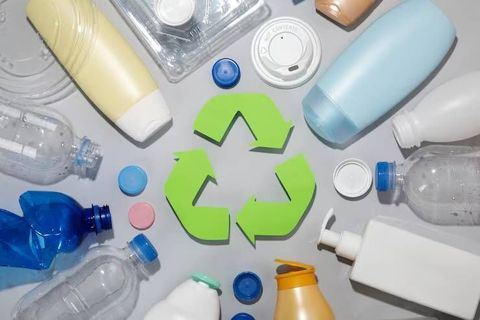
Plastic recycling processes transform discarded plastic materials into usable feedstock or new products. These processes can reduce the volume of plastic sent to disposal facilities, conserve selected raw materials, and support more efficient resource use. Their effectiveness depends on the type of plastic, the quality of collected materials, available processing technology, and the intended application of the recycled output.
Plastic is widely used in packaging, construction, electronics, healthcare, transportation, and consumer products because it can be lightweight, durable, and adaptable. However, products made from different polymers, additives, colors, and material combinations can be difficult to process together. Poor waste separation and contamination may reduce the quality of recovered materials or prevent recycling altogether.
Environmental sustainability therefore requires more than collecting plastic waste. It involves designing products for recovery, establishing reliable collection systems, selecting appropriate recycling technologies, and considering the environmental impacts of processing. Mechanical recycling remains important, while chemical and other advanced approaches may be suitable for selected materials and applications.
Globally, governments, manufacturers, waste managers, and communities are examining ways to improve plastic recovery and reduce pollution. Understanding the major plastic recycling processes helps explain their benefits, limitations, and role in a broader circular economy.
Who it affects and what problems it solves
Plastic recycling affects households, manufacturers, waste collection services, recycling facilities, product designers, retailers, and environmental management organizations. Consumers influence material quality through disposal and separation practices, while industrial operators determine how collected plastics are sorted, processed, and converted into usable materials.
Packaging manufacturers may use recycled polymers in suitable products, depending on material specifications and applicable requirements. Construction and automotive industries may incorporate certain recycled plastics into components where durability and performance can be verified. Waste management organizations use sorting and processing systems to separate recoverable materials from mixed waste streams.
One major problem addressed by recycling is the loss of potentially useful material after a product reaches the end of its service life. Recovering suitable plastics can reduce demand for some virgin polymer feedstocks and divert material from landfills or uncontrolled disposal. Recycling may also support resource efficiency when collection, processing, and transport are managed effectively.
However, recycling does not eliminate every environmental concern. Mixed polymers, food residue, labels, adhesives, pigments, and chemical additives can complicate processing. Some plastics degrade during repeated heating, which can limit the number of times they can be mechanically recycled while maintaining required properties.
Common mistakes include placing incompatible materials in the same stream, assuming every plastic item is recyclable, and overlooking contamination. Another mistake is evaluating environmental performance solely by the amount collected instead of measuring the quality and actual use of recovered output.
Plastic recycling processes work best as part of a coordinated waste management system. Product design, collection infrastructure, sorting accuracy, market demand for recycled material, and responsible disposal of unrecoverable residues all influence the final environmental outcome.
Recent updates and industry trends
Over the past year, plastic recycling has continued to attract attention through developments in sorting automation, polymer identification, advanced processing, and circular product design. These trends reflect ongoing industry activity rather than uniform adoption across all facilities.
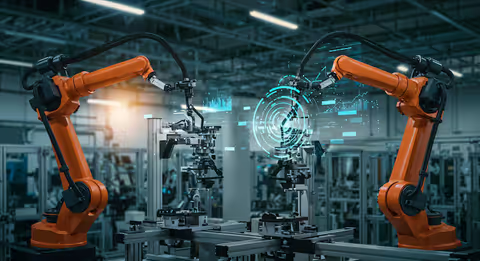
Optical sorting systems increasingly use near-infrared sensing, cameras, and automated controls to distinguish selected plastic types. When properly configured, these systems can improve separation consistency and reduce some manual sorting requirements. Their performance still depends on material presentation, sensor capability, contamination, and the range of polymers being processed.
Artificial intelligence and machine learning are also being explored for waste recognition, sorting decisions, equipment monitoring, and quality control. These applications can help operators identify material patterns or detect process irregularities, but their effectiveness depends on reliable data and suitable operating conditions.
Chemical recycling remains an area of technical development. Processes such as depolymerization can convert certain polymers into chemical building blocks, while pyrolysis can turn selected plastic mixtures into hydrocarbon-rich outputs. These methods have different feedstock requirements, energy needs, emissions profiles, and output qualities. Their environmental value must be assessed for each application rather than assumed.
Many organizations globally are also emphasizing product designs that make packaging easier to separate and process. Improved traceability, recycled-content verification, and lifecycle assessment are receiving attention as businesses evaluate environmental claims.
Future progress will depend on practical infrastructure, consistent material quality, transparent performance reporting, and responsible management of emissions and processing residues. No single technology can handle every plastic type efficiently.
Comparison of plastic recycling processes
Plastic recycling technologies differ in how they process waste, what materials they can handle, and the quality of their outputs. The following comparison outlines common approaches and their general characteristics.
| Comparison point | Mechanical recycling | Chemical recycling | Reuse and refurbishment | Energy recovery |
|---|---|---|---|---|
| Main method | Sorting, washing, shredding, and remelting | Chemical or thermal conversion | Extending product use | Recovering energy from waste |
| Efficiency | Strong for suitable, clean streams | Depends on process and feedstock | High when products remain usable | Depends on facility design |
| Automation | Often uses automated sorting | Requires process control | Varies by product | Usually requires controlled plant systems |
| Scalability | Established for many common polymers | Varies by technology and facility | Depends on collection and demand | Requires specialized infrastructure |
| Maintenance | Sorting and extrusion equipment need upkeep | Reactors and treatment systems need upkeep | Inspection and repair may be required | Combustion and emissions systems need upkeep |
| Flexibility | Limited by polymer compatibility | Some processes accept selected mixed streams | Product-specific | Handles selected residual waste |
| Processing speed | Depends on sorting and extrusion capacity | Depends on reaction conditions | Depends on inspection and repair | Depends on plant capacity |
| Reliability | Sensitive to contamination and feedstock variation | Sensitive to feedstock and process control | Depends on product condition | Depends on waste composition |
| Energy use | Needed for washing, drying, and remelting | Can be energy intensive | Often avoids full material reprocessing | Requires energy conversion systems |
| Complexity | Moderate to high | Often high | Low to moderate | High |
| Output | Recycled polymer flakes or pellets | Chemical feedstock, oils, gases, or monomers | Reused products or components | Heat or electricity |
| Environmental role | Material recovery | Potential recovery of selected difficult streams | Prevents premature disposal | Recovers energy but does not preserve material |
Mechanical recycling is often appropriate when plastics can be separated into sufficiently clean, compatible streams. It preserves more of the polymer structure than processes that break materials down chemically, although repeated processing may affect performance.
Chemical recycling may provide additional pathways for selected materials that are difficult to recycle mechanically. However, energy requirements, emissions, conversion efficiency, residue management, and the final destination of outputs must be considered. Reuse can preserve more of a product's existing value when it remains safe and functional, while energy recovery does not return plastic to material circulation. These methods should be evaluated according to their specific environmental and operational roles.
Regulations and practical guidance
Responsible plastic recycling requires attention to waste classification, worker safety, emissions control, product quality, and applicable environmental requirements. International standards and local rules may address waste handling, chemical exposure, industrial emissions, recycled-content claims, and the use of recycled polymers in sensitive applications. Requirements differ by material and intended use, so operators should verify the standards relevant to their activities.
Facilities should establish procedures for identifying incoming waste, separating incompatible polymers, controlling contamination, and documenting material flows. Workers may encounter sharp objects, dust, heated surfaces, moving machinery, cleaning chemicals, and other hazards. Suitable training, protective equipment, machine guarding, ventilation, and emergency procedures are essential.
Environmental management should cover wastewater from washing, airborne emissions, process residues, and energy consumption. Recycling facilities need appropriate treatment systems and documented procedures for handling material that cannot be recovered. Recycled plastic intended for food-contact, medical, or other regulated applications may require additional testing, traceability, and process controls.
Organizations should also evaluate environmental performance using a lifecycle perspective. Relevant factors include collection and transport, processing energy, water consumption, material yield, product durability, and the alternative disposal route. Environmental claims should reflect measured outcomes and avoid implying that all recycling pathways provide identical benefits.
Which option suits different situations?
Small operations: Begin with clear waste separation, reliable collection, and partnerships with facilities that accept the specific plastic types generated.
Large-scale systems: Use automated sorting, process monitoring, quality assurance, and documented environmental controls where volume and material consistency justify them.
Beginners: Learn polymer identification and local collection requirements before assuming that a plastic item can enter a particular recycling stream.
Experienced professionals and growing organizations: Compare mechanical and advanced recycling options through material testing, lifecycle assessment, operating data, and verified output specifications.
Tools and resources
Practical recycling programs combine suitable equipment with clear documentation and reliable performance measurements. The following resources can help organizations plan processes, monitor quality, and assess environmental results.
Polymer identification guide — Helps distinguish common plastic families and identify material compatibility.
Automated optical sorting system — Uses sensors to separate selected polymers and colors from mixed waste.
Plastic washing and drying line — Removes contaminants and prepares suitable feedstock for further processing.
Extrusion and pelletizing equipment — Converts processed thermoplastic material into pellets for manufacturing applications.
Lifecycle assessment software — Evaluates environmental impacts across collection, processing, transport, and product use.
Material quality testing equipment — Measures properties such as melt flow, tensile strength, and contamination levels.
Waste tracking and audit template — Records incoming material, recovered output, rejects, and final destinations.
The right combination depends on the material stream, production scale, and intended output. Testing and consistent recordkeeping help determine whether a recycling process is achieving its practical objectives.
Frequently asked questions
What are the main plastic recycling processes?
The main approaches include mechanical recycling, chemical recycling, reuse, and energy recovery. Mechanical recycling sorts, cleans, and remelts compatible plastics. Chemical recycling converts selected polymers into chemical feedstocks or other outputs. Reuse extends the life of an existing product, while energy recovery extracts energy from waste. These methods serve different purposes, and their suitability depends on material quality, available infrastructure, environmental impacts, and the intended result.
How does plastic recycling support environmental sustainability?
Plastic recycling can reduce the amount of suitable plastic sent to disposal facilities and replace some virgin raw material in manufacturing. Its environmental value depends on collection quality, processing energy, transport, material yield, and whether the recovered material is actually used. Recycling is most effective when combined with waste prevention, reusable product design, accurate sorting, and responsible management of processing residues.
Can every type of plastic be recycled?
No. Different polymers have different physical and chemical properties, and some products combine several materials that are difficult to separate. Contamination, additives, degradation, and limited processing infrastructure can also prevent recovery. Some plastics can be mechanically recycled, while selected others may be suitable for specialized chemical processes. Accepted materials vary by facility, so collection instructions and processing capabilities should be checked before disposal.
What is the difference between mechanical and chemical recycling?
Mechanical recycling physically processes plastic through steps such as sorting, washing, shredding, and melting while largely retaining the polymer structure. Chemical recycling uses chemical reactions or thermal conversion to produce smaller molecules, chemical feedstocks, or other outputs. Mechanical methods are often suitable for clean, compatible streams, whereas chemical methods may address selected difficult materials. Energy use, emissions, yield, and output quality need assessment for each process.
What should organizations consider when choosing a plastic recycling method?
Organizations should examine the polymer types, contamination levels, material volume, required output quality, infrastructure, safety obligations, and environmental impacts. Lifecycle assessment can help compare processing routes, while material testing can verify whether recovered plastics meet intended specifications. Compliance, worker protection, wastewater treatment, emissions management, and residue handling are also important. A suitable system is one that performs reliably under actual operating conditions.
Conclusion
Plastic recycling processes can support environmental sustainability by recovering usable materials, reducing some disposal burdens, and helping limit demand for virgin polymer feedstocks. Mechanical recycling remains an important approach for suitable plastic streams, while chemical recycling, reuse, and energy recovery have different roles and limitations. Their outcomes depend on material quality, technology selection, infrastructure, energy use, and responsible handling of residues.
Organizations and communities should focus on preventing unnecessary waste, separating materials correctly, improving product design, and choosing recycling pathways based on verified capabilities. Industrial facilities can strengthen results through automated sorting, quality testing, lifecycle assessment, and transparent tracking of recovered outputs. Recycling should complement reduction and reuse rather than serve as a substitute for preventing avoidable waste.
Globally, future progress will depend on improved collection systems, more recyclable product designs, better sorting technology, and reliable assessment of environmental performance. Developments in automation and advanced recycling may expand recovery options, but their benefits need to be demonstrated through measurable results. A balanced approach that combines prevention, reuse, effective recycling, and responsible disposal provides a practical foundation for long-term environmental sustainability.