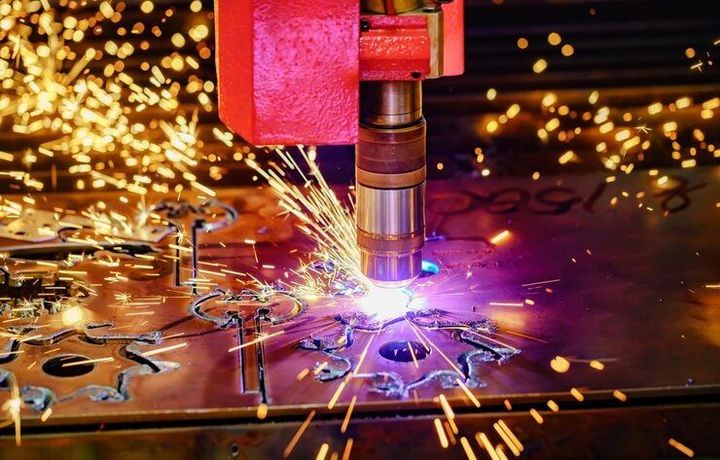
Plasma Cutting Machines: Technology, Uses and Insights
Plasma cutting machines are advanced metal-cutting systems that use a high-temperature plasma arc to cut electrically conductive materials. These materials commonly include steel, stainless steel, aluminum, brass, and copper. The technology was developed to provide a faster and more precise way to cut metal compared to many traditional methods.
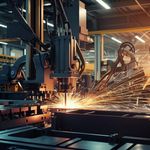
Plasma is often called the fourth state of matter. When gas is heated to extremely high temperatures and electrically energized, it becomes plasma. In a plasma cutting machine, this energized gas passes through a narrow nozzle at high speed. The resulting plasma arc reaches temperatures capable of melting metal almost instantly while compressed gas removes the molten material from the cut.
The technology emerged as industries sought more efficient methods for metal fabrication, manufacturing, construction, and maintenance work. Over time, plasma cutting evolved from a specialized industrial process into a widely used technology across many sectors.
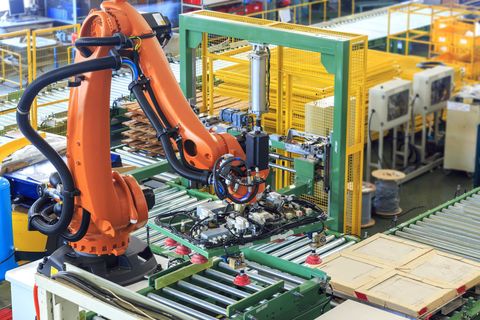
The primary purpose of plasma cutting is to create accurate cuts in metal while maintaining speed and consistency. Modern systems can perform straight cuts, curved cuts, detailed shapes, and automated production tasks. Many machines now integrate digital controls that improve precision and reduce material waste.
Basic Components of a Plasma Cutting System
| Component | Function |
|---|---|
| Power Source | Generates electrical energy for the plasma arc |
| Plasma Torch | Directs the plasma stream toward the material |
| Gas Supply | Provides compressed gas for cutting |
| Control System | Manages machine operation and settings |
| Workpiece Table | Supports the material during cutting |
These components work together to create a reliable metal-cutting process suitable for both small workshops and large manufacturing facilities.
Why Plasma Cutting Machines Matter Today
Plasma cutting technology plays an important role in modern industry because metal remains a fundamental material in infrastructure, transportation, manufacturing, and energy production.
As industries continue to demand higher productivity and precision, plasma cutting machines help address several challenges.
Improved Productivity
One major advantage is cutting speed. Plasma systems can cut many types of metal quickly while maintaining acceptable accuracy. Faster processing helps manufacturers meet production targets and manage complex projects efficiently.
Better Precision and Consistency
Modern plasma cutting machines often use computerized controls that enable repeatable results. Consistent cuts reduce errors and improve the quality of finished products.
Material Versatility
Unlike some cutting technologies that work best with specific materials, plasma cutting can handle a wide range of conductive metals. This flexibility makes it valuable for various industrial applications.
Reduced Material Waste
Advanced software and automated nesting systems allow manufacturers to optimize material usage. Efficient layouts reduce scrap and support sustainable production practices.
Industries That Benefit
Plasma cutting technology affects numerous sectors, including:
- Metal fabrication
- Construction
- Automotive manufacturing
- Shipbuilding
- Aerospace support operations
- Agricultural equipment production
- Energy infrastructure projects
- Industrial maintenance and repair
Common Applications
| Industry | Typical Application |
| Construction | Structural steel cutting |
| Automotive | Component manufacturing |
| Agriculture | Equipment fabrication |
| Shipbuilding | Plate cutting and assembly |
| Energy | Pipeline and infrastructure components |
The technology solves challenges related to speed, accuracy, and scalability, making it an important part of modern industrial operations.
Recent Updates and Industry Trends
The plasma cutting industry has experienced significant technological development throughout 2025 and early 2026. Several trends continue to influence how organizations use these machines.
Increased Automation
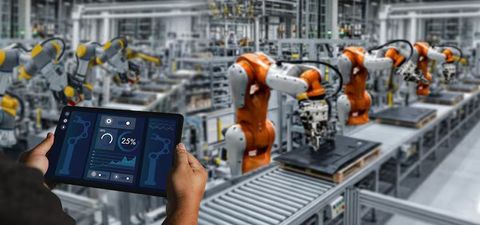
Throughout 2025, more manufacturers adopted automated cutting systems connected to digital production environments. Automation helps improve consistency while reducing manual intervention.
Modern systems can automatically adjust cutting parameters based on material thickness and type. This capability supports more efficient workflows and reduces setup time.
Growth of Smart Manufacturing
The integration of smart manufacturing technologies has become increasingly common. Plasma cutting equipment is now frequently connected to production monitoring systems that collect operational data.
These systems help operators track:
- Machine performance
- Maintenance schedules
- Production output
- Material consumption
- Equipment efficiency
Enhanced Software Capabilities
Recent software improvements have focused on:
- Better nesting optimization
- Improved cut-path generation
- Real-time monitoring
- Production analytics
- Remote diagnostics
These capabilities contribute to more efficient manufacturing environments.
Focus on Energy Efficiency
During 2025, energy efficiency remained a key area of development. Manufacturers increasingly explored technologies that reduce power consumption while maintaining cutting performance.
This trend aligns with broader sustainability goals across manufacturing sectors.
Expanding Use in Advanced Fabrication
As industries demand more customized metal components, plasma cutting machines continue to support flexible production methods. Improved control systems allow operators to create increasingly complex designs without sacrificing productivity.
Industry Trend Overview
| Trend | Impact |
| Automation | Improved consistency |
| Smart Manufacturing | Better production visibility |
| Software Integration | Enhanced workflow efficiency |
| Energy Optimization | Reduced operational impact |
| Digital Monitoring | Improved maintenance planning |
These developments demonstrate how plasma cutting technology continues evolving to meet modern industrial requirements.
Laws, Regulations, and Policy Considerations
Plasma cutting operations are influenced by various workplace safety, environmental, and industrial regulations. While requirements vary by country, several common principles apply globally.
Workplace Safety Standards
Because plasma cutting involves high temperatures, electricity, and metal fumes, safety regulations typically focus on protecting workers.
Organizations are generally expected to provide:
- Protective equipment
- Proper operator training
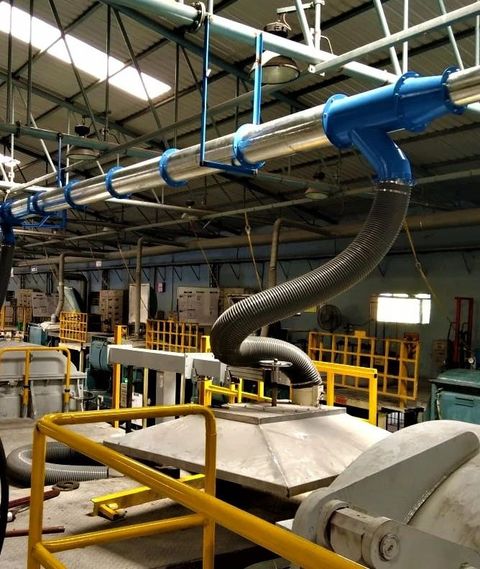
- Ventilation systems
- Fire prevention measures
- Equipment maintenance procedures
These measures help reduce workplace risks.
Environmental Requirements
Many jurisdictions regulate emissions generated during metal-cutting processes. Facilities may need to manage:
- Air quality
- Dust collection
- Fume extraction
- Noise control
- Waste handling
Environmental frameworks encourage responsible industrial practices while protecting surrounding communities.
Electrical and Equipment Compliance
Industrial machinery often must comply with recognized safety and electrical standards before being installed and operated.
Compliance may include:
- Equipment certification
- Electrical inspections
- Operational testing
- Maintenance documentation
Manufacturing and Industrial Policies
Many governments support advanced manufacturing initiatives that encourage the adoption of modern production technologies. These programs often emphasize:
- Digital transformation
- Industrial automation
- Workforce development
- Sustainable manufacturing
- Productivity improvement
Such frameworks contribute to the continued modernization of manufacturing sectors around the world.
Useful Tools and Resources for Learning and Operations
Various tools and resources help individuals and organizations better understand plasma cutting technology and related industrial processes.
Design and Drawing Software
Computer-aided design platforms allow users to create digital part drawings before cutting begins. These tools support accurate planning and production preparation.
Material Thickness Reference Charts
Reference charts help operators select appropriate settings based on material type and thickness. Proper parameter selection improves cut quality and efficiency.
Production Planning Templates
Planning templates assist with:
- Material tracking
- Project scheduling
- Production monitoring
- Maintenance planning
Training Resources
Educational materials commonly include:
- Technical manuals
- Safety guides
- Industry publications
- Online learning modules
- Technical workshops
Performance Calculators
Industrial calculators may help estimate:
- Cutting speed
- Material usage
- Production time
- Power requirements
- Operational efficiency
Digital Monitoring Systems
Many facilities use monitoring platforms that collect production data and provide performance insights. These systems support informed decision-making and continuous improvement.
Frequently Asked Questions
What materials can plasma cutting machines cut?
Plasma cutting machines are designed for electrically conductive metals. Common examples include steel, stainless steel, aluminum, brass, and copper.
How is plasma cutting different from traditional metal cutting?
Plasma cutting uses an electrically energized gas stream to melt and remove metal. This process often delivers faster cutting speeds and greater flexibility for conductive materials.
Is plasma cutting suitable for thick metal?
Yes. Modern plasma cutting systems can process a wide range of metal thicknesses. The specific capability depends on machine design, power output, and operating parameters.
What safety precautions are important during plasma cutting?
Important precautions include protective clothing, eye protection, ventilation systems, fire prevention measures, and proper equipment maintenance. Following workplace safety guidelines is essential.
Why is automation becoming more common in plasma cutting?
Automation improves consistency, reduces manual adjustments, supports production efficiency, and helps manufacturers manage increasingly complex fabrication requirements.
Conclusion
Plasma cutting machines have become an essential technology in modern metal fabrication and manufacturing. By using a high-temperature plasma arc, these systems provide an efficient method for cutting conductive metals with speed and precision.