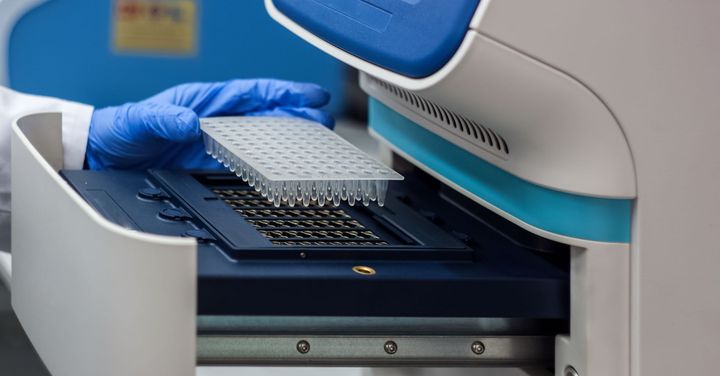
PCR Laboratory Equipment Guide: Explore Basics, Tips, Insights, Knowledge, Facts, and Helpful Resources
Polymerase Chain Reaction (PCR) laboratory equipment refers to the specialized instruments and tools used to amplify, analyze, and study genetic material such as DNA and RNA. PCR technology was developed to help scientists detect small amounts of genetic material and generate enough copies for research, diagnostics, forensic investigations, environmental studies, and biotechnology applications.
PCR has become a foundational technique in modern molecular biology. It allows laboratories to identify microorganisms, study genetic variations, monitor diseases, and support scientific discoveries. Because PCR processes require accuracy and contamination control, laboratories rely on carefully designed equipment and standardized procedures.
A typical PCR laboratory includes several instruments that work together throughout the testing process. Samples are prepared, amplified, analyzed, and documented using different devices that maintain precision and reliability.
The table below highlights common PCR laboratory equipment and their primary functions.
| Equipment | Primary Purpose |
|---|---|
| Thermal Cycler | Amplifies DNA through temperature cycling |
| Real-Time PCR System | Measures DNA amplification in real time |
| Microcentrifuge | Separates sample components |
| Biosafety Cabinet | Helps maintain a controlled work environment |
| Micropipettes | Transfers precise liquid volumes |
| Vortex Mixer | Mixes laboratory samples |
| Refrigerators and Freezers | Stores reagents and samples |
| Gel Electrophoresis System | Analyzes DNA fragments |
Many modern molecular laboratories also integrate molecular diagnostics, genetic testing systems, laboratory automation solutions, clinical laboratory technology, and biotechnology research equipment to improve workflow efficiency and data quality.
Why PCR Laboratory Equipment Matters Today
PCR laboratory equipment plays an important role across healthcare, research, agriculture, environmental science, and public health sectors. The ability to detect genetic material quickly and accurately has made PCR one of the most widely used laboratory techniques worldwide.
Healthcare organizations use PCR technology to identify infectious diseases and support personalized medicine initiatives. Researchers rely on PCR systems to investigate genetic disorders, study biological processes, and develop new scientific knowledge.
Several factors contribute to the growing importance of PCR laboratory equipment:
- Improved disease detection capabilities
- Enhanced genetic research opportunities
- Faster laboratory workflows
- Better support for public health monitoring
- Increased accuracy in molecular analysis
- Expanded applications in agriculture and environmental science
The impact of PCR technology extends beyond laboratories. Governments, educational institutions, healthcare providers, and scientific organizations all benefit from reliable molecular testing infrastructure.
The chart below illustrates common application areas for PCR technology.
| Application Area | Typical Use |
|---|---|
| Healthcare | Disease detection and monitoring |
| Research | Genetic studies and molecular biology |
| Agriculture | Plant and animal genetic analysis |
| Environmental Science | Microbial and ecosystem monitoring |
| Forensics | DNA identification and analysis |
| Biotechnology | Product development and quality testing |
As scientific knowledge continues to expand, demand for advanced PCR testing equipment, laboratory information systems, DNA analysis technology, and genomic research tools continues to grow.
Recent Updates and Trends in PCR Laboratory Equipment
The past year has seen continued advancement in PCR-related technologies and laboratory infrastructure.
During 2025 and early 2026, several notable trends emerged across the molecular diagnostics industry:
- Greater adoption of automated sample preparation systems
- Expansion of digital PCR technologies
- Increased use of cloud-connected laboratory platforms
- Improved software for data management and interpretation
- Development of energy-efficient laboratory instruments
- Enhanced integration of artificial intelligence for laboratory workflows
Many laboratories have also focused on improving operational efficiency through automation. Automated liquid handling systems and advanced workflow management platforms help reduce manual processing steps and support consistency.
Another important trend is the growth of multiplex PCR technologies. These systems allow multiple genetic targets to be analyzed within a single reaction, increasing efficiency and conserving laboratory resources.
Recent developments have also emphasized sustainability. Manufacturers have introduced equipment designs that reduce energy consumption while maintaining performance standards.
The table below summarizes major recent trends.
| Trend | Impact |
|---|---|
| Laboratory Automation | Improved workflow consistency |
| Digital PCR Expansion | Higher analytical precision |
| AI-Assisted Analysis | Faster data interpretation |
| Cloud-Based Data Systems | Enhanced collaboration |
| Multiplex Testing | Increased efficiency |
| Sustainable Equipment Design | Reduced environmental impact |
Scientific conferences held throughout 2025 and 2026 have highlighted continued investment in molecular diagnostic platforms, genetic sequencing technologies, laboratory automation systems, and precision medicine technologies.
Laws, Regulations, and Policy Considerations
PCR laboratory equipment operates within a framework of regulations and quality standards designed to promote safety, accuracy, and reliability.
Many countries require laboratories to follow established quality management systems and laboratory accreditation standards. Regulatory requirements often address:
- Equipment validation
- Calibration procedures
- Quality control practices
- Personnel training
- Data management
- Sample handling protocols
- Biosafety requirements
Healthcare laboratories commonly follow internationally recognized standards such as:
- ISO laboratory quality standards
- Good Laboratory Practice (GLP) principles
- Biosafety guidelines
- Medical device regulations
- Diagnostic testing standards
Government agencies and public health authorities may issue guidance regarding molecular testing procedures, laboratory reporting requirements, and quality assurance measures.
Laboratories using PCR systems for clinical applications must often document instrument performance, maintain calibration records, and participate in proficiency testing programs.
The regulatory landscape continues to evolve as molecular diagnostics become increasingly important in healthcare and scientific research. Organizations regularly update standards to address new technologies and emerging laboratory practices.
Helpful Tools and Resources
A variety of tools and resources support laboratories, researchers, educators, and students seeking to understand PCR technology and laboratory operations.
Useful resources include:
- Laboratory quality management guides
- PCR protocol templates
- DNA concentration calculators
- Thermal cycler optimization tools
- Laboratory safety checklists
- Molecular biology reference databases
- Scientific journal repositories
- Laboratory information management systems (LIMS)
Common educational resources include:
- Online molecular biology courses
- University laboratory training materials
- Scientific publications
- Regulatory guidance documents
- Laboratory accreditation resources
The following table outlines several categories of useful resources.
| Resource Type | Purpose |
|---|---|
| PCR Calculators | Reaction setup planning |
| LIMS Platforms | Data management |
| Scientific Databases | Research information |
| Laboratory Templates | Documentation support |
| Training Programs | Skills development |
| Quality Manuals | Compliance guidance |
Researchers frequently use laboratory management software, genomics databases, scientific data analysis tools, clinical laboratory resources, and molecular biology reference materials to support their work.
Frequently Asked Questions
What is PCR laboratory equipment used for?
PCR laboratory equipment is used to amplify and analyze DNA or RNA samples. It supports applications in healthcare, research, biotechnology, agriculture, environmental science, and forensic investigations.
What is the most important instrument in a PCR laboratory?
The thermal cycler is often considered the core instrument because it performs the temperature cycles necessary for DNA amplification. Other supporting equipment is also essential for sample preparation and analysis.
What is the difference between conventional PCR and real-time PCR?
Conventional PCR focuses on amplifying genetic material, while real-time PCR monitors amplification as it occurs. Real-time systems provide quantitative information and faster result interpretation.
Why is laboratory quality control important in PCR testing?
Quality control helps ensure accuracy, consistency, and reliability. It reduces the risk of contamination, equipment errors, and inaccurate results.
How does automation affect PCR laboratories?
Automation can improve workflow efficiency, reduce manual handling, enhance consistency, and support higher testing volumes while maintaining quality standards.
Are PCR laboratories regulated?
Yes. PCR laboratories typically operate under quality standards, biosafety requirements, accreditation frameworks, and regulatory guidelines that vary by country and application area.
Conclusion
PCR laboratory equipment forms the foundation of modern molecular biology and genetic analysis. From thermal cyclers and real-time PCR systems to laboratory automation platforms and data management tools, these technologies support critical activities across healthcare, research, biotechnology, agriculture, and environmental science.
Recent developments during 2025 and 2026 have focused on automation, digital PCR, artificial intelligence integration, and sustainability. At the same time, regulatory standards continue to emphasize quality, safety, and reliable laboratory practices.
Understanding the purpose, applications, regulations, and supporting resources associated with PCR laboratory equipment helps provide a clearer view of how modern laboratories operate and contribute to scientific advancement. As molecular technologies continue to evolve, PCR systems are expected to remain an essential component of laboratory science and genetic research worldwide.