Fitness Tracking Devices Explained: Explore Guide, Tips, Insights, Knowledge, Facts, and Helpful Resources
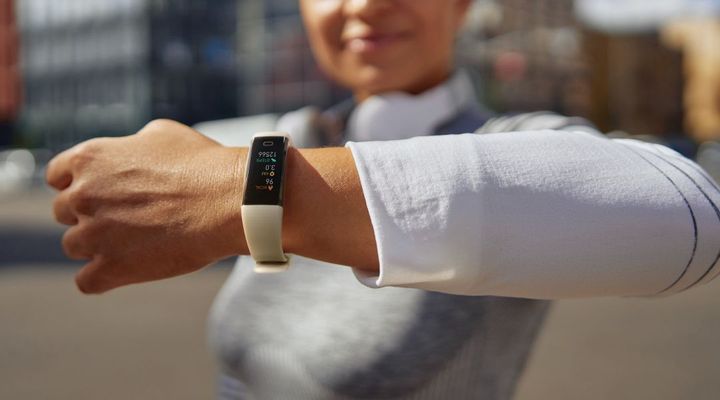
Fitness tracking devices are wearable technologies designed to monitor physical activity, health metrics, and wellness-related information. These devices have become increasingly common as people seek better ways to understand their daily habits and overall health. They typically include sensors that collect information such as steps taken, heart rate, sleep duration, exercise performance, and energy expenditure.
The development of wearable health technology emerged from advances in digital sensors, wireless connectivity, cloud computing, and health analytics. Modern fitness trackers can synchronize with smartphones, tablets, and web platforms, allowing users to review historical data and identify patterns over time.
Today, fitness tracking devices include smartwatches, fitness bands, activity trackers, heart rate monitors, GPS sports watches, and specialized wellness wearables. Their primary purpose is to provide objective information about daily movement and health-related behaviors.
Common metrics monitored by fitness tracking devices include:
- Daily step count
- Heart rate monitoring
- Sleep tracking
- Physical activity duration
- Distance traveled
- Calories burned estimates
- Blood oxygen measurements
- Stress indicators
- Exercise intensity zones
- Recovery and wellness insights
Why Fitness Tracking Devices Matter
Fitness tracking technology plays an important role in helping individuals better understand their lifestyle habits. Many people spend significant portions of their day sitting, making it difficult to accurately estimate physical activity levels. Wearable devices help provide measurable information that can support informed decision-making.
The importance of these devices extends across multiple groups:
| User Group | Potential Benefits |
|---|---|
| General Adults | Activity awareness and wellness monitoring |
| Athletes | Performance tracking and training analysis |
| Older Adults | Health observation and activity management |
| Students | Lifestyle habit awareness |
| Healthcare Researchers | Population-level health data insights |
| Corporate Wellness Programs | Activity engagement monitoring |
Several challenges addressed by fitness tracking devices include:
- Limited awareness of daily activity levels
- Difficulty monitoring exercise consistency
- Challenges understanding sleep quality
- Lack of objective health-related data
- Difficulty tracking long-term wellness trends
Health monitoring technology also supports educational awareness regarding physical activity recommendations. By visualizing movement patterns, users may better understand whether they are meeting recommended activity goals.
Key Features Commonly Found in Modern Devices
The capabilities of wearable technology continue to expand. While features vary among manufacturers, many devices include:
- Accelerometer-based movement tracking
- Optical heart rate sensors
- GPS location tracking
- Sleep stage analysis
- Activity recognition algorithms
- Mobile app integration
- Health data dashboards
- Personalized wellness insights
The following chart illustrates common feature adoption among modern fitness trackers:
| Feature | Common Presence |
| Step Tracking | Very High |
| Heart Rate Monitoring | Very High |
| Sleep Tracking | High |
| GPS Tracking | Moderate to High |
| Blood Oxygen Monitoring | Increasing |
| Stress Tracking | Increasing |
| Recovery Analysis | Growing |
| AI-Based Insights | Emerging |
High-value technology areas frequently associated with wearable health monitoring include:
- Digital health analytics
- Remote patient monitoring
- Health data management
- Artificial intelligence in healthcare
- Wearable medical technology
- Connected health platforms
- Biometric monitoring systems
- Health information technology
Recent Updates and Trends
The fitness tracking industry experienced significant developments during 2025 and 2026. Several trends have influenced how wearable devices are designed and used.
One major trend has been the increased use of artificial intelligence to analyze activity patterns and provide personalized recommendations. AI-powered wellness insights have become more common in wearable ecosystems.
Another development involves improved sensor accuracy. Manufacturers continue to refine heart rate monitoring, sleep tracking algorithms, and activity recognition technologies.
Recent wearable technology trends include:
- Expanded health analytics features
- Improved battery efficiency
- Enhanced sleep quality assessment
- Greater integration with healthcare platforms
- Increased focus on recovery tracking
- Advanced biometric monitoring capabilities
Between 2025 and 2026, regulatory agencies and healthcare organizations also continued evaluating how wearable-generated data can contribute to health research and preventive care initiatives.
Growing interest in digital health transformation has encouraged further investment in wearable health monitoring technologies. Researchers are exploring how long-term activity data may support broader public health studies and wellness programs.
Laws, Policies, and Regulatory Considerations
Fitness tracking devices operate within legal and regulatory frameworks that vary by country. These regulations primarily focus on privacy, data security, consumer protection, and health information management.
Important policy areas include:
- Personal data protection regulations
- Consumer electronics safety standards
- Medical device classification requirements
- Cybersecurity standards
- Health information privacy rules
In many jurisdictions, wearable devices that provide general wellness information are regulated differently from devices that make medical diagnoses. Regulatory authorities often evaluate whether a product is intended for general fitness tracking or medical use.
Key policy considerations include:
| Regulatory Area | Purpose |
| Data Privacy | Protect personal information |
| Cybersecurity | Secure connected devices |
| Consumer Protection | Ensure accurate marketing claims |
| Product Safety | Reduce technology-related risks |
| Health Regulations | Manage medical-related functions |
Users should review privacy settings and understand how wearable platforms collect, store, and process personal data. Many providers publish transparency reports and privacy documentation explaining data handling practices.
As wearable technology evolves, governments and regulators continue updating guidance related to connected health devices and digital health ecosystems.
Helpful Tools and Resources
A variety of tools and resources can help users understand and interpret fitness data more effectively.
Useful categories include:
Health and Activity Platforms
- Activity dashboards
- Exercise tracking applications
- Wellness monitoring platforms
- Sleep analysis tools
- Recovery tracking systems
Data Analysis Resources
- Health metric calculators
- Heart rate zone calculators
- Body composition estimators
- Exercise intensity assessment tools
- Physical activity planning resources
Educational Resources
- Public health organization websites
- Physical activity guidelines
- Sleep health resources
- Digital wellness education platforms
- Wearable technology research publications
Productivity and Tracking Templates
- Wellness journals
- Activity logs
- Exercise planning templates
- Sleep tracking worksheets
- Health goal monitoring spreadsheets
A simplified wellness monitoring workflow may look like this:
| Step | Purpose |
| Collect Data | Record activity and health metrics |
| Review Trends | Identify patterns over time |
| Compare Goals | Evaluate progress indicators |
| Adjust Habits | Improve wellness behaviors |
| Monitor Consistency | Track long-term changes |
These resources can help individuals better interpret wearable-generated information while maintaining realistic expectations regarding data accuracy and health outcomes.
Frequently Asked Questions
What is a fitness tracking device?
A fitness tracking device is a wearable technology product that collects information related to physical activity, movement, exercise, sleep, and certain wellness indicators. Common examples include fitness bands and smartwatches.
Are fitness trackers medically accurate?
Most fitness trackers are designed for general wellness and educational purposes. While sensor accuracy has improved significantly, measurements may vary depending on device type, sensor quality, and usage conditions.
Can fitness tracking devices monitor sleep?
Many modern devices include sleep tracking capabilities. They typically estimate sleep duration, sleep stages, movement patterns, and other indicators using sensors and analytical algorithms.
How do fitness trackers measure physical activity?
Most devices use accelerometers, gyroscopes, GPS systems, and optical sensors to estimate movement, distance, exercise duration, and related activity metrics.
Why is data privacy important for wearable technology?
Fitness trackers often collect personal health and activity information. Understanding privacy settings and data-sharing options helps users make informed decisions regarding how their information is stored and used.
Conclusion
Fitness tracking devices have become an important part of the modern digital health landscape. By combining wearable sensors, data analytics, and mobile connectivity, these technologies provide valuable insights into physical activity, sleep patterns, and wellness behaviors.
Recent advancements in artificial intelligence, biometric monitoring, and health analytics continue to expand the capabilities of wearable devices. At the same time, privacy regulations, cybersecurity standards, and consumer protection policies remain important considerations for both users and manufacturers.
While fitness tracking devices are not substitutes for professional medical evaluation, they can serve as useful tools for increasing awareness of daily habits and supporting informed wellness decisions. As wearable health technology continues to evolve, it is likely to remain a significant component of broader digital health and personal wellness ecosystems.