Table of Contents

Automated CBC Analyzer Guide: Working Process, Components, and Diagnostic Laboratory Technology

Automated CBC Analyzer Guide: Working Process, Components, and Diagnostic Laboratory Technology

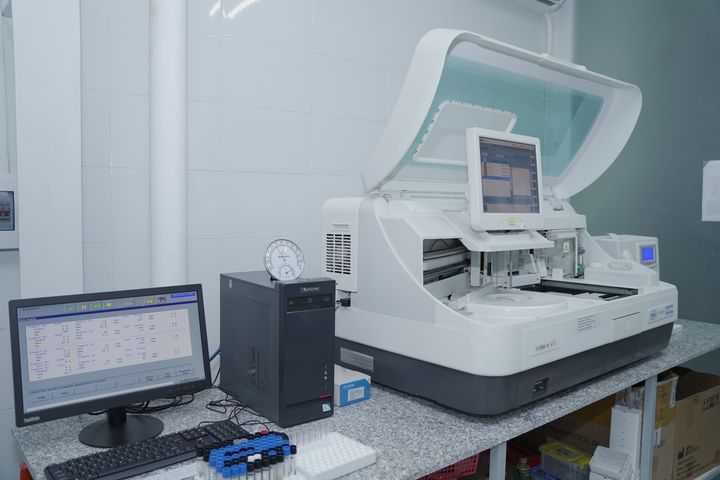
Automated Complete Blood Count (CBC) analyzers are among the most widely used instruments in modern clinical laboratories. These advanced hematology systems rapidly analyze blood samples and generate numerical measurements that assist healthcare professionals during laboratory testing and clinical evaluation.


Modern CBC analyzers combine precision fluidics, optical systems, electronic sensors, sophisticated software, and laboratory automation to process hundreds of samples efficiently while maintaining high levels of accuracy and consistency. Continuous innovations in artificial intelligence (AI), digital connectivity, and smart laboratory technologies are further improving laboratory workflows.

This guide explores automated CBC analyzers, their working principles, major components, laboratory automation technologies, and industry trends from an educational perspective. It does not provide medical, diagnostic, engineering, purchasing, regulatory, financial, or professional healthcare advice.

Understanding an Automated CBC Analyzer

A CBC analyzer is a laboratory instrument designed to measure and report various characteristics of blood cells using automated analytical methods.

The instrument is commonly used in:

  • Hospitals
  • Diagnostic laboratories
  • Research institutions
  • Academic laboratories
  • Health screening centers

Laboratory professionals interpret analyzer results together with clinical information and additional testing where appropriate.

What Is a Complete Blood Count (CBC)?

A Complete Blood Count is a laboratory test that evaluates different cellular components of blood.

Depending on the analyzer and laboratory protocol, a CBC may include measurements related to:

  • Red blood cells (RBCs)
  • White blood cells (WBCs)
  • Platelets
  • Hemoglobin
  • Hematocrit
  • Various calculated blood indices

The exact parameters reported depend on the instrument configuration and laboratory procedures.

Basic Working Principle

Modern CBC analyzers process blood samples through a sequence of automated operations.

The general workflow includes:

  • Sample aspiration
  • Dilution
  • Cell detection
  • Signal processing
  • Data analysis
  • Result generation

Different manufacturers may utilize different analytical technologies.

Sample Collection and Preparation

Before analysis, blood samples are collected using standardized laboratory procedures.

Typical workflow may include:

  • Sample identification
  • Barcode scanning
  • Gentle mixing
  • Instrument loading

Proper specimen handling is an important part of laboratory quality practices.

Sample Aspiration System

The analyzer automatically draws a small amount of blood into its internal system.

Functions may include:

  • Controlled sample intake
  • Precise volume measurement
  • Automated transfer
  • Contamination reduction

Automated aspiration helps improve consistency.

Fluidics System

Fluidics technology manages sample movement throughout the analyzer.

The system may include:

  • Pumps
  • Tubing
  • Mixing chambers
  • Dilution pathways
  • Waste management systems

Accurate fluid handling supports reliable measurements.

Cell Counting Technologies

Modern analyzers use specialized methods to count blood cells.

Common technologies may include:

Electrical Impedance

Cells passing through a small aperture generate measurable electrical changes that assist with counting and sizing.

Optical Detection

Laser and optical sensors may evaluate cellular characteristics using light-based measurements.

Flow Cytometry Principles

Some advanced analyzers incorporate flow-based optical technologies to classify blood cells with greater detail.

Technology selection depends on the analyzer model and intended laboratory applications.

Optical Systems

Many modern CBC analyzers include advanced optical components.

Examples may include:

  • Laser sources
  • Optical detectors
  • Light-scattering sensors
  • Fluorescence detection systems

These technologies contribute to detailed cellular analysis.

Electronic Processing Unit

Signals generated during analysis are converted into digital information.

The processing system may perform:

  • Signal amplification
  • Noise filtering
  • Data conversion
  • Measurement calculations

High-speed processors enable rapid result generation.

Software and Data Analysis

Software is an essential component of automated laboratory instruments.

Capabilities may include:

  • Automated calculations
  • Quality monitoring
  • Data validation
  • Result reporting
  • Instrument diagnostics

Software functionality varies among manufacturers.

Internal Quality Control

Quality assurance is an important part of laboratory operations.

CBC analyzers may support:

  • Calibration procedures
  • Quality control testing
  • Instrument performance monitoring
  • Error detection
  • System verification

Laboratories typically follow established quality management procedures.

Laboratory Information System Integration

Modern analyzers often connect with digital laboratory platforms.

Examples include:

  • Laboratory Information Systems (LIS)
  • Electronic Medical Records (EMR)
  • Hospital Information Systems (HIS)
  • Digital reporting platforms

Integration supports workflow efficiency and data management.

Automation in Diagnostic Laboratories

Automation has transformed modern laboratory environments.

Examples include:

  • Automated sample loading
  • Barcode identification
  • Sample tracking
  • Digital reporting
  • Instrument networking

Automation helps laboratories process larger testing volumes efficiently.

Artificial Intelligence in Hematology

AI technologies are increasingly incorporated into laboratory diagnostics.

Potential applications may include:

  • Result verification support
  • Workflow optimization
  • Instrument performance monitoring
  • Predictive maintenance
  • Data analytics

AI assists laboratory professionals but does not replace clinical judgment.

Performance Considerations

Several factors influence analyzer performance.

Common considerations include:

  • Sample throughput
  • Analytical precision
  • Measurement consistency
  • Automation level
  • Software capabilities
  • Connectivity options

Performance characteristics vary across instrument models.

Routine Maintenance

Clinical laboratories typically perform regular maintenance procedures.

Examples may include:

  • Cleaning fluid pathways
  • Replacing consumables
  • Quality verification
  • Calibration checks
  • Preventive maintenance

Maintenance schedules follow manufacturer recommendations and laboratory protocols.

Factors Influencing Analyzer Costs

CBC analyzer pricing varies according to several factors.

Examples include:

  • Instrument capacity
  • Automation features
  • Analytical technologies
  • Software capabilities
  • Connectivity options
  • Service agreements

Total ownership costs also depend on maintenance, consumables, and laboratory requirements.

Diagnostic Laboratory Trends in 2026

Several developments continue influencing hematology laboratory technology.

Current trends include:

  • AI-assisted laboratory workflows
  • Smart laboratory automation
  • Cloud-connected analyzers
  • Advanced optical detection systems
  • Digital quality management
  • Remote instrument monitoring
  • Predictive maintenance technologies
  • Integrated laboratory ecosystems

These trends reflect broader advancements across healthcare diagnostics.

Frequently Asked Questions

What is an automated CBC analyzer?

An automated CBC analyzer is a laboratory instrument that performs Complete Blood Count testing using computerized analytical technologies.

How does a CBC analyzer work?

The analyzer aspirates a blood sample, processes it through specialized analytical systems, measures blood cell characteristics, and generates laboratory results automatically.

What technologies are used for cell counting?

Modern analyzers may use electrical impedance, optical detection, laser technology, and flow cytometry-based analytical methods.

Why is laboratory automation important?

Automation can improve workflow efficiency, reduce manual handling, enhance consistency, and support high-volume laboratory operations.

How is AI used in CBC analyzers?

AI may assist with workflow optimization, quality monitoring, predictive maintenance, data analytics, and instrument performance management.

Conclusion

Automated CBC analyzers represent a cornerstone of modern hematology laboratories, combining precision engineering, advanced optics, electronic sensing, sophisticated software, and laboratory automation to support efficient blood analysis. These technologies help laboratories process large testing volumes while maintaining consistent analytical performance.

As artificial intelligence, digital connectivity, smart laboratory systems, and automation continue advancing, CBC analyzers are expected to become increasingly intelligent, connected, and efficient, supporting the ongoing evolution of diagnostic laboratory services.

Disclaimer

This article is intended solely for informational and educational purposes. It does not provide medical, diagnostic, laboratory, engineering, purchasing, regulatory, financial, or professional healthcare advice. It does not endorse, recommend, compare, rank, review, market, or promote any manufacturer, laboratory, healthcare provider, medical device, software platform, or diagnostic technology. Instrument specifications, analytical methods, laboratory protocols, regulatory requirements, performance characteristics, and operational procedures vary by manufacturer, healthcare facility, and jurisdiction. Patients should consult qualified healthcare professionals regarding medical testing, and laboratories should seek expert guidance before purchasing or operating diagnostic equipment

author-image

Ravi Shankar Maurya

We create purposeful content that speaks, resonates, and drives action.

July 01, 2026 . 9 min read