Airport Ground Equipment Explained: Explore Guide, Basics, Tips, Insights, Knowledge, Facts, and Helpful Resources
Airport ground equipment refers to the specialized machines, vehicles, and support systems used to service aircraft while they are on the ground. These tools help airports, airlines, and aviation personnel manage aircraft movement, passenger handling, cargo operations, maintenance activities, and safety procedures.
Before an aircraft departs or after it lands, numerous ground operations take place. Passengers need boarding assistance, luggage must be loaded and unloaded, cargo requires transportation, aircraft need power and air conditioning support, and runways must remain safe and operational. Airport ground equipment exists to make these tasks efficient, organized, and safe.
Common examples include baggage handling systems, aircraft tugs, ground power units, passenger boarding stairs, belt loaders, cargo loaders, de-icing vehicles, fuel support equipment, and airport maintenance vehicles.
The aviation industry depends heavily on reliable airport ground support equipment because every flight involves multiple ground operations before departure and after arrival.
Common Types of Airport Ground Equipment
The following table highlights several major categories of airport ground equipment and their primary functions.
| Equipment Type | Main Purpose |
|---|---|
| Aircraft Tug | Moves aircraft on the ground |
| Ground Power Unit (GPU) | Supplies electrical power to parked aircraft |
| Belt Loader | Transfers baggage and cargo |
| Passenger Stairs | Supports boarding and deboarding |
| Pushback Tractor | Pushes aircraft away from gates |
| Cargo Loader | Handles freight containers and pallets |
| De-Icing Vehicle | Removes ice from aircraft surfaces |
| Air Start Unit | Starts aircraft engines when needed |
| Lavatory Service Unit | Supports aircraft sanitation operations |
| Airport Sweeper | Maintains runway cleanliness |
Many airports use a combination of traditional and electric-powered equipment to support daily operations.
Why Airport Ground Equipment Matters
Modern airports handle thousands of passengers and significant volumes of cargo every day. Efficient airport operations rely on dependable ground equipment to keep flights moving according to schedule.
Several groups benefit from airport ground equipment:
- Airlines
- Airport authorities
- Cargo operators
- Ground handling companies
- Maintenance teams
- Passengers
Without effective ground support systems, aircraft turnaround times would increase significantly. Delays in baggage handling, fueling support, aircraft positioning, or maintenance activities could affect airport performance and passenger experiences.
Airport ground equipment also contributes to:
- Aviation safety
- Operational efficiency
- Cargo logistics management
- Passenger convenience
- Aircraft maintenance support
- Environmental sustainability goals
As global air travel continues to grow, airports are investing in advanced aviation equipment, airport operations technology, aircraft maintenance systems, baggage handling solutions, airport safety equipment, and sustainable ground support infrastructure.
Key Operational Areas Supported by Ground Equipment
Airport ground equipment supports several important airport functions.
Aircraft Handling
Aircraft tugs and pushback tractors help position airplanes safely around airport aprons and gates.
Passenger Services
Passenger stairs, boarding bridges, wheelchairs, and transportation vehicles assist travelers during arrival and departure processes.
Cargo and Freight Operations
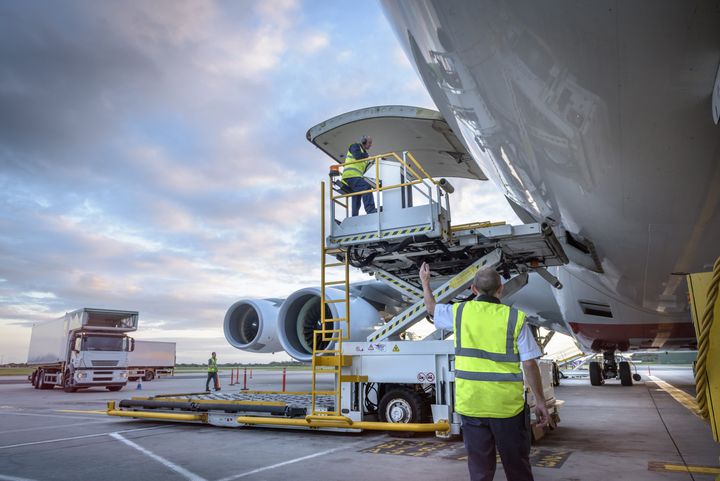
Cargo loaders, pallet transporters, and container handling systems enable efficient movement of goods through airport logistics networks.
Aircraft Maintenance Support
Ground power units, air start units, and maintenance platforms help technicians inspect and service aircraft.
Airport Safety Operations
Runway sweepers, emergency response vehicles, and weather monitoring systems contribute to operational safety.
Recent Developments and Industry Trends
The airport ground equipment industry has experienced notable developments during 2025 and 2026.
One major trend is the increasing adoption of electric ground support equipment. Airports are seeking ways to reduce emissions and improve sustainability by replacing diesel-powered vehicles with electric alternatives.
Another important development is the use of smart fleet management systems. These platforms allow airport operators to monitor equipment location, battery performance, maintenance schedules, and operational efficiency through connected technologies.
Artificial intelligence and predictive maintenance systems have also gained attention. Sensors installed on airport equipment can identify potential mechanical issues before failures occur, reducing downtime and improving reliability.
The following chart illustrates common modernization priorities observed across many airports.
| Modernization Focus | Industry Priority |
| Electric Equipment | Very High |
| Fleet Tracking Systems | High |
| Predictive Maintenance | High |
| Automation Technology | Medium-High |
| Sustainability Programs | Very High |
| Digital Operations Platforms | High |
Many airport operators are also exploring autonomous baggage vehicles and automated cargo-handling systems to improve efficiency and reduce operational delays.
Safety and Regulatory Considerations
Airport operations are governed by strict aviation regulations and safety standards. Ground equipment must comply with operational requirements established by aviation authorities and airport management organizations.
Regulations generally focus on:
- Equipment maintenance standards
- Operator training requirements
- Airport safety procedures
- Environmental compliance
- Vehicle inspection programs
- Airside operational rules
- Occupational health and safety measures
International aviation organizations often provide guidance regarding airport operations and ground handling activities. Airports may also implement local operational policies to address runway safety, equipment movement, and emergency response procedures.
Environmental policies are becoming increasingly important. Many airports are introducing sustainability initiatives that encourage reduced emissions, energy-efficient technologies, and cleaner airport operations.
Ground handling personnel typically undergo regular safety training to ensure proper equipment operation and risk management practices.
Technology Transforming Airport Ground Operations
Technology continues to reshape airport ground support activities.
Several innovations are improving efficiency and operational visibility:
- GPS-based fleet tracking
- Equipment telematics systems
- Digital maintenance management software
- Battery monitoring technology
- Automated dispatch platforms
- Remote diagnostics tools
- Data analytics dashboards
- Predictive maintenance solutions
These technologies allow airport managers to make informed operational decisions while improving resource allocation.
For example, telematics systems can track equipment utilization rates and identify underused assets. Maintenance software can automatically schedule inspections based on operating hours, reducing unexpected downtime.
As airports become increasingly connected, digital transformation remains a major focus within the aviation infrastructure sector.
Helpful Tools and Resources
Individuals interested in airport operations and aviation infrastructure can benefit from several educational and informational resources.
Useful resources include:
- Airport operations management software
- Fleet tracking platforms
- Maintenance scheduling applications
- Aviation safety databases
- Flight tracking tools
- Airport planning templates
- Aviation regulatory guidance portals
- Environmental sustainability assessment tools
Common categories of aviation-related tools include:
| Resource Type | Purpose |
| Flight Tracking Platforms | Monitor aircraft activity |
| Maintenance Management Systems | Schedule inspections and repairs |
| Asset Tracking Software | Monitor equipment location |
| Safety Reporting Tools | Improve operational compliance |
| Airport Planning Resources | Support infrastructure planning |
| Sustainability Assessment Tools | Evaluate environmental performance |
Educational materials from aviation organizations, airport authorities, and transportation agencies can also help readers understand airport ground support operations.
Practical Insights for Understanding Ground Equipment Operations
When learning about airport ground equipment, several factors are worth considering.
First, airport size influences equipment requirements. Large international airports typically operate extensive fleets of specialized vehicles, while smaller regional airports may use fewer assets.
Second, weather conditions affect equipment selection. Airports in colder climates often require de-icing vehicles and winter maintenance equipment.
Third, cargo-focused airports generally invest heavily in freight handling systems, whereas passenger-focused airports prioritize baggage and boarding support equipment.
Finally, sustainability objectives increasingly shape procurement decisions. Many airport operators are evaluating equipment based on environmental performance and energy efficiency metrics.
Understanding these operational differences provides useful context for analyzing airport infrastructure and aviation logistics systems.
Frequently Asked Questions
What is airport ground equipment?
Airport ground equipment includes vehicles, machines, and support systems used to service aircraft, passengers, baggage, and cargo while aircraft are on the ground.
Why is airport ground equipment important?
It supports safe and efficient airport operations by assisting with aircraft movement, baggage handling, maintenance activities, passenger services, and cargo logistics.
What is a ground power unit?
A ground power unit supplies electrical power to an aircraft while it is parked, allowing onboard systems to operate without relying on aircraft engines.
Are airports moving toward electric ground equipment?
Yes. Many airports are adopting electric ground support equipment to reduce emissions, improve sustainability, and support environmental objectives.
How is technology improving airport ground operations?
Technologies such as telematics, predictive maintenance, digital fleet management, automation systems, and data analytics are helping airports improve operational efficiency and reliability.
Conclusion
Airport ground equipment plays a critical role in modern aviation infrastructure. From baggage handling and cargo movement to aircraft maintenance support and passenger services, these systems help airports operate safely and efficiently.
As aviation activity continues to evolve, technological innovation, sustainability initiatives, and digital transformation are reshaping ground support operations around the world. Electric vehicles, predictive maintenance platforms, connected fleet management systems, and automation technologies are becoming increasingly important components of airport operations.
Understanding airport ground equipment provides valuable insight into the complex processes that occur behind every flight. While passengers often focus on the aircraft itself, a wide range of specialized ground support systems work continuously to ensure safe, reliable, and efficient airport operations.