New Technology in Power Systems: Innovations and Insights
Power systems are undergoing significant changes as utilities, industries, and governments modernize electrical infrastructure.
Traditional electricity networks are evolving into intelligent systems that use automation, advanced analytics, digital communication, and renewable energy technologies to improve performance and reliability.
New technology in power systems helps address growing electricity demand, renewable energy integration, grid stability, and operational efficiency. These innovations support smarter decision-making, faster fault detection, better energy management, and improved resilience across modern electrical networks.
As smart energy infrastructure continues to expand, understanding emerging power system technologies is becoming increasingly important for utilities, engineers, facility operators, and anyone interested in the future of energy.
Quick Facts Table
| Topic | Purpose | Key Technologies | Main Benefits | Common Applications |
|---|---|---|---|---|
| New Technology in Power Systems | Improve electricity generation, transmission, distribution, and management | Smart Grids, AI Analytics, Digital Substations, Energy Storage, Digital Twins, Grid Automation | Better reliability, efficiency, resilience, and monitoring | Utilities, smart cities, industries, renewable energy facilities, data centers |
What Is New Technology in Power Systems?
New technology in power systems refers to modern innovations that improve how electricity is generated, transmitted, distributed, monitored, and managed.
These technologies include smart grids, advanced metering infrastructure, artificial intelligence, energy storage systems, digital substations, utility automation, digital twins, and intelligent grid systems. Together, they help create more reliable, efficient, and flexible electrical networks.
Why Is New Technology in Power Systems Important?
Traditional power systems were designed for one-way electricity flow and limited real-time visibility. Modern energy demands require more adaptable infrastructure capable of supporting renewable energy, distributed generation, electric vehicles, and growing electricity consumption.
New technologies help improve:
- Grid reliability
- Power quality
- Operational efficiency
- Renewable energy integration
- Infrastructure resilience
- Asset management
- Cybersecurity readiness
- Utility automation
Power System Facts
- Smart grid adoption continues to expand across global utility networks.
- Renewable energy integration is increasing worldwide.
- Advanced Metering Infrastructure improves operational visibility.
- Artificial intelligence is enhancing utility analytics and forecasting.
- Energy storage technologies support grid stability and flexibility.
- Grid automation improves outage management and fault detection.
- Digital substations reduce dependence on conventional wiring systems.
Major New Technologies in Power Systems
- Smart Grids
- Digital Substations
- Artificial Intelligence Analytics
- Energy Storage Systems
- Microgrids
- Digital Twins
- Advanced Metering Infrastructure
- Vehicle-to-Grid Systems
- Hydrogen Energy Technologies
- Grid Automation
- Distributed Energy Resources
- Utility Analytics Platforms
- Smart Sensors
- Edge Computing
- Intelligent Monitoring Systems
Technology Comparison Table
| Technology | Implementation Complexity | Scalability | Grid Impact |
|---|---|---|---|
| Smart Grid | Medium | High | High |
| AI Analytics | Medium | High | High |
| Energy Storage Systems | High | High | High |
| Digital Substations | High | Medium | High |
| Microgrids | Medium | Medium | High |
| Advanced Metering Infrastructure | Medium | High | Medium |
| Digital Twins | Medium | High | High |
Understanding the Concept
Modern power systems are becoming more intelligent through the integration of communication technologies, automation, analytics, and advanced monitoring.
Unlike traditional grids, intelligent grid systems continuously collect operational data from sensors, meters, substations, and field equipment. This information helps operators make informed decisions, improve performance, and respond more effectively to changing conditions.
Grid modernization initiatives are transforming utility infrastructure into dynamic networks capable of supporting both centralized and distributed energy resources.
What Is a Smart Grid?
A smart grid is an electricity network that uses digital communication, automation, sensors, and intelligent monitoring technologies to improve grid performance and reliability.
Smart grids enable two-way communication between utilities and consumers while supporting real-time decision-making.
What Is a Digital Substation?
A digital substation uses intelligent electronic devices, digital communication networks, and automation technologies to monitor and control electrical infrastructure more efficiently.
These facilities improve operational visibility while reducing the need for conventional wiring systems.
What Is Grid Automation?
Grid automation uses automated technologies to detect faults, manage power flow, monitor equipment, and improve overall grid performance.
Automation reduces response times and enhances operational reliability.
What Is Energy Storage in Power Systems?
Energy storage systems store electricity for later use. These technologies help balance supply and demand while supporting renewable energy integration and grid stability.
Common storage technologies include battery energy storage systems, pumped hydro storage, and emerging long-duration storage technologies.
What Is a Self-Healing Grid?
A self-healing grid automatically detects faults, isolates affected sections, and restores power where possible without extensive manual intervention.
This capability helps improve reliability and reduce outage durations.
Key Features and Core Components
Modern power system technologies typically include:
- Smart sensors
- Advanced Metering Infrastructure
- Utility automation platforms
- Digital substations
- Energy management systems
- Intelligent grid systems
- Utility analytics
- Artificial intelligence platforms
- Communication networks
- Cybersecurity technologies
- Distributed energy resources
- Grid resilience technologies
Modern Power System Architecture
A modern power system typically follows this structure:
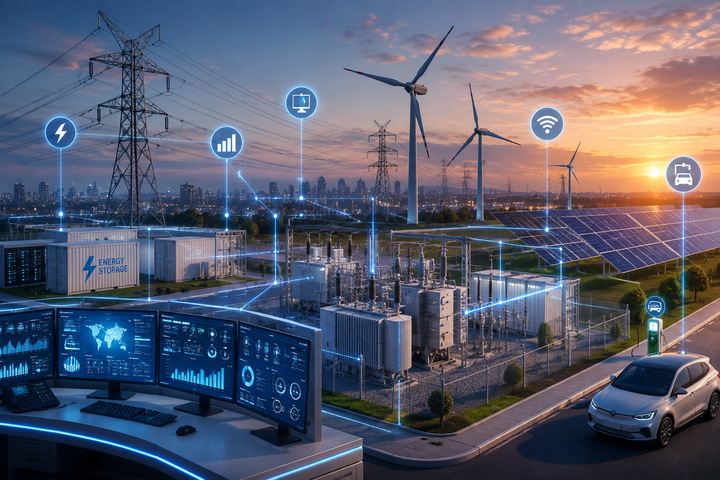
Generation → Transmission → Digital Substation → Smart Grid → Distribution → Consumer → Distributed Energy Resources
Architecture Explanation
Electricity is generated from conventional and renewable energy sources. Sensors and communication systems collect operational data throughout the network.
Digital substations and intelligent grid systems process this information, allowing operators to optimize performance and improve reliability. Distributed energy resources such as solar systems, batteries, and microgrids further enhance flexibility.
Standards and Regulations
Several frameworks support the development and operation of modern power systems:
- IEEE Standards
- IEC Standards
- NERC Reliability Guidelines
- Smart Grid Interoperability Standards
- Grid Cybersecurity Frameworks
- Utility Communication Standards
- Power Quality Standards
- Distributed Energy Resource Integration Standards
These frameworks help improve interoperability, reliability, and cybersecurity.
Main Types of Advanced Power Technologies
Smart Grid Technologies
Smart grids support intelligent communication and automated decision-making across electrical networks.
Energy Storage Systems
Energy storage technologies help stabilize power systems and improve renewable energy integration.
Digital Twin Technologies
Digital twins create virtual models of physical infrastructure for monitoring, testing, and optimization.
Microgrids
Microgrids are localized energy systems capable of operating independently or alongside the main grid.
Utility Analytics Platforms
Advanced analytics help utilities improve forecasting, maintenance planning, and operational efficiency.
How It Works
- Electricity is generated from conventional or renewable sources.
- Sensors collect operational data throughout the network.
- Communication systems transmit information to control centers.
- Artificial intelligence platforms analyze system conditions.
- Grid automation technologies detect abnormalities and faults.
- Energy management systems optimize electricity flow.
- Operators receive real-time insights and recommendations.
- Automated controls respond to changing grid conditions.
Benefits and Advantages
Modern power technologies provide several benefits:
- Improved grid reliability
- Better power quality
- Enhanced operational efficiency
- Greater renewable energy integration
- Faster fault detection
- Improved asset management
- Better energy forecasting
- Increased grid resilience
- Enhanced operational visibility
- Support for distributed energy resources
- Stronger cybersecurity readiness
- Improved utility automation
Industry Applications
Utility Companies
Utilities use smart grids, automation technologies, and advanced analytics to improve network performance.
Renewable Energy Facilities
Solar and wind facilities utilize energy storage systems and intelligent monitoring technologies.
Manufacturing Facilities
Industrial operations use advanced power management technologies to improve reliability.
Data Centers
Data centers rely on intelligent power infrastructure to support continuous operations.
Healthcare Facilities
Hospitals utilize resilient power systems and backup energy technologies.
Oil and Gas Operations
Energy infrastructure supports critical operations in remote and industrial environments.
Mining Facilities
Mining operations depend on reliable power systems and advanced monitoring technologies.
Airports and Transportation Networks
Transportation infrastructure increasingly utilizes intelligent power management systems.
Smart Campuses
Educational and commercial campuses use smart grids and energy management technologies.
Utility Control Centers
Control centers monitor and manage electrical infrastructure through utility analytics and automation platforms.
Real-World Examples and Applications
Example: Smart City Energy Management
A smart city uses Advanced Metering Infrastructure and utility analytics to monitor electricity consumption and improve energy efficiency.
Example: Renewable Energy Integration
A utility operator combines solar generation with battery storage technologies to maintain grid stability during changing weather conditions.
Example: Digital Substation Operations
A digital substation uses intelligent electronic devices and automated monitoring technologies to improve operational visibility.
Important Factors to Consider
When implementing modern power technologies, organizations should evaluate:
- Infrastructure compatibility
- Scalability requirements
- Cybersecurity needs
- Regulatory compliance
- Integration complexity
- Maintenance capabilities
- Workforce readiness
- Operational objectives
- Reliability requirements
- Long-term planning goals
Common Challenges and Solutions
| Challenge | Impact | Solution |
|---|---|---|
| Aging Infrastructure | Reliability Issues | Grid Modernization |
| Cyber Threats | Security Risks | Zero Trust Security |
| Renewable Variability | Grid Instability | Energy Storage Systems |
| Limited Visibility | Operational Delays | Smart Sensors and Analytics |
| Equipment Failures | Service Interruptions | Predictive Maintenance |
Power System Best Practices
- Enable continuous monitoring.
- Utilize Advanced Metering Infrastructure.
- Strengthen cybersecurity practices.
- Implement predictive maintenance programs.
- Improve data analytics capabilities.
- Integrate renewable energy strategically.
- Maintain infrastructure regularly.
- Support workforce training initiatives.
- Monitor distributed energy resources.
- Evaluate scalability requirements.
Future Trends and Industry Insights
Several emerging technologies are expected to shape future power systems.
Artificial Intelligence for Grid Optimization
AI technologies are improving forecasting, asset management, and operational decision-making.
Digital Twin Expansion
Digital twins are becoming increasingly important for infrastructure monitoring and optimization.
Vehicle-to-Grid Systems
Electric vehicles may support future grid operations through bidirectional energy exchange.
Hydrogen Energy Systems
Hydrogen technologies are gaining attention as potential long-duration energy solutions.
Continuous Grid Automation
Automation capabilities are expected to expand across generation, transmission, and distribution systems.
Behavioral Analytics
Advanced analytics will improve system performance through deeper operational insights.
Edge Computing
Edge computing technologies will support faster processing of operational data.
Grid Resilience Technologies
Future systems will focus heavily on resilience against environmental and operational challenges.
Expert Insights
New technology in power systems is transforming utility infrastructure into intelligent, connected, and data-driven energy networks. Smart grids, utility automation, advanced analytics, digital twins, and energy storage technologies are becoming central components of modern power management.
As electricity demand grows and renewable energy adoption accelerates, intelligent grid systems will play an increasingly important role in balancing reliability, efficiency, sustainability, and operational flexibility.
Key Takeaways
- Smart grids improve communication and automation.
- Digital substations enhance monitoring and control.
- Artificial intelligence supports operational optimization.
- Energy storage systems improve grid stability.
- Advanced Metering Infrastructure increases visibility.
- Utility automation improves reliability.
- Digital twins support predictive management.
- Grid modernization strengthens infrastructure resilience.
- Distributed energy resources increase flexibility.
- Future power systems will become more intelligent and connected.
Frequently Asked Questions (FAQ)
What is new technology in power systems?
New technology in power systems includes smart grids, energy storage systems, digital substations, automation technologies, and advanced analytics platforms.
What is a smart grid?
A smart grid is an intelligent electricity network that uses digital communication and automation technologies.
What is a digital substation?
A digital substation uses intelligent devices and communication technologies for improved monitoring and control.
What is grid automation?
Grid automation uses automated technologies to improve power system performance and reliability.
What is energy storage in power systems?
Energy storage systems store electricity for later use and help balance grid operations.
What is a self-healing grid?
A self-healing grid automatically detects and responds to faults.
Why is grid modernization important?
Grid modernization improves reliability, efficiency, resilience, and renewable energy integration.
What are distributed energy resources?
Distributed energy resources include solar systems, batteries, microgrids, and other localized energy technologies.
How does artificial intelligence help power systems?
AI supports forecasting, maintenance planning, operational optimization, and anomaly detection.
What is Advanced Metering Infrastructure?
Advanced Metering Infrastructure is a network of smart meters and communication technologies used for energy monitoring.
What is a digital twin?
A digital twin is a virtual model of physical infrastructure used for monitoring and optimization.
What role does cybersecurity play in modern power systems?
Cybersecurity helps protect connected infrastructure from digital threats.
What are microgrids?
Microgrids are localized power systems capable of operating independently from the main grid.
How do energy storage systems support renewable energy?
Energy storage helps manage fluctuations in renewable energy generation.
What is utility automation?
Utility automation uses intelligent technologies to improve operational performance.
What industries use advanced power technologies?
Utilities, manufacturing, healthcare, transportation, mining, data centers, and smart cities.
What is grid resilience?
Grid resilience refers to the ability of a power system to withstand and recover from disruptions.
What is the future of power systems?
Future power systems will emphasize automation, artificial intelligence, energy storage, digital twins, and intelligent grid management.
Conclusion
New technology in power systems is reshaping how electricity is generated, transmitted, distributed, and managed. Innovations such as smart grids, digital substations, utility automation, energy storage systems, artificial intelligence, and digital twins are improving efficiency, reliability, and grid resilience across modern energy networks.
As grid modernization continues and distributed energy resources become more common, intelligent power systems will play a central role in supporting sustainable and flexible energy infrastructure. Understanding these technologies provides valuable insight into the future of smart energy infrastructure and advanced power management.