Modern Rice Milling Machines and Processing Systems
Rice milling machines play an important role in modern food processing by improving grain quality, efficiency, and production standards. This article explains rice milling technology, recent trends, regulations, tools, and frequently asked questions in a simple and informative way.
Rice is one of the most consumed staple foods in the world. Because of growing global demand, rice processing technology has become increasingly important for maintaining food supply efficiency and grain quality. Modern milling systems are designed to reduce grain breakage, improve output consistency, and support large-scale food production.
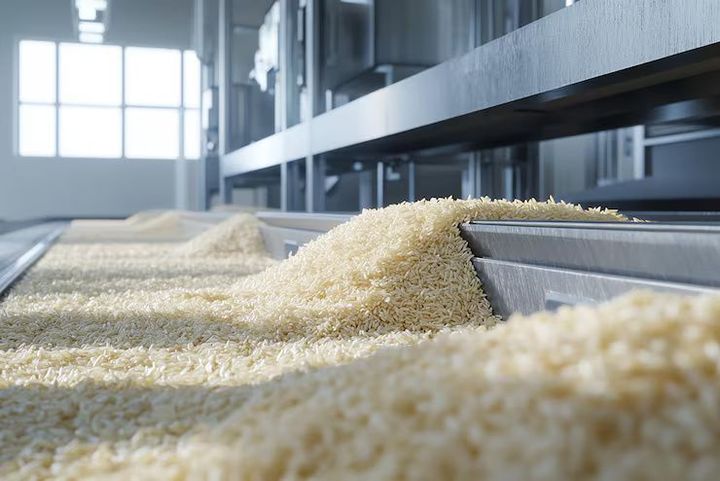
A complete rice milling setup usually includes cleaning equipment, dehusking units, separators, polishers, graders, and packaging systems. Each component works together to transform raw paddy into finished rice suitable for distribution and consumption.
In many agricultural regions, rice milling technology helps farmers, food processors, and agricultural industries manage large production volumes more effectively. The development of automated systems has also improved hygiene standards and reduced manual labor requirements.
How Modern Rice Milling Technology Works
Modern rice milling technology uses multiple stages to ensure better grain quality and processing efficiency. The process begins with cleaning, where impurities such as dust, stones, and straw are removed from harvested paddy.
After cleaning, the rice passes through dehusking systems that separate the husk from the grain. The brown rice then enters polishing and whitening stages where bran layers are partially removed. Finally, grading systems classify rice based on size, quality, and grain shape.
The following table shows the common stages in rice milling systems:
| Processing Stage | Main Purpose |
|---|---|
| Cleaning | Removes impurities and dust |
| Dehusking | Separates husk from grain |
| Whitening | Removes bran layers |
| Polishing | Improves grain appearance |
| Grading | Sorts grains by quality |
| Packaging | Prepares rice for storage |
Automation has improved the precision of these stages. Sensors and digital monitoring systems can now track grain flow, moisture levels, and operational efficiency in real time.
Importance of Rice Milling Machines Today
Rice milling machines are important because they help support global food processing needs. Growing populations and increasing rice consumption have created higher demand for efficient agricultural processing systems.
Modern milling systems help reduce grain waste and improve food quality. Broken grains and processing losses can affect both production efficiency and nutritional availability. Advanced machines help minimize these issues through precision processing methods.
Rice processing technology also impacts food safety. Hygienic milling environments reduce contamination risks during production. Automated systems often include enclosed processing units and improved dust management features that support cleaner operations.
The technology affects several sectors, including:
- Agricultural production
- Food processing industries
- Grain storage management
- Export and distribution networks
- Rural farming communities
In developing agricultural economies, rice milling infrastructure contributes to food security and agricultural modernization. Improved milling efficiency helps stabilize rice supply chains and supports consistent grain quality standards.
Benefits of Automated Milling Systems
Automated rice milling systems provide several operational advantages compared to traditional methods.
Some key benefits include:
- Improved grain quality consistency
- Reduced manual handling
- Better processing speed
- Lower grain breakage rates
- Enhanced hygiene control
- Real-time monitoring capabilities
- Energy-efficient operations
Many modern systems also include digital interfaces that allow operators to monitor equipment performance and maintenance schedules.
The graph below illustrates the growing adoption of automated milling technologies over recent years.
| Year | Estimated Automation Adoption |
|---|---|
| 2021 | 38% |
| 2022 | 44% |
| 2023 | 51% |
| 2024 | 59% |
| 2025 | 66% |
The trend shows increasing interest in smart agricultural processing systems worldwide.
Recent Updates in Rice Milling Technology
Over the past year, several developments have influenced the rice milling industry. During 2025 and early 2026, many agricultural processing facilities adopted advanced digital technologies to improve operational efficiency.
One important trend is the use of artificial intelligence and sensor-based automation in grain processing systems. Smart monitoring tools can now identify grain defects, monitor moisture levels, and optimize machine performance automatically.
Energy-efficient processing systems have also gained attention due to rising environmental concerns. New-generation equipment focuses on reducing electricity usage and minimizing waste during production.
Another recent development involves data-driven maintenance systems. Predictive maintenance software helps identify equipment issues before failures occur, reducing operational downtime.
Sustainability has become a major focus as well. Many modern rice mills now explore eco-friendly processing methods, including:
- Reduced water consumption
- Improved waste recycling
- Biomass energy utilization
- Lower emissions processing systems
In several agricultural markets, digital integration with supply chain tracking systems has improved transparency in grain processing operations.
Government Regulations and Agricultural Policies
Rice milling operations are often influenced by agricultural regulations, food safety standards, and environmental policies. Governments in many countries have introduced rules to improve grain quality control and ensure safe food processing practices.
Food safety regulations typically focus on:
- Hygiene standards
- Dust control systems
- Grain contamination prevention
- Worker safety requirements
- Storage management practices
Environmental policies also affect milling facilities. Regulations may require proper waste disposal, energy management, and emission reduction practices.
In countries with strong agricultural sectors, governments often support modernization programs that encourage the adoption of efficient food processing technologies. These programs may include technical training initiatives, infrastructure development, and agricultural innovation frameworks.
Digital traceability systems are becoming increasingly important in rice processing regulations. Some regions now encourage tracking systems that record grain origin, processing stages, and storage conditions.
The following table highlights common regulatory areas affecting rice milling industries:
| Regulatory Area | Purpose |
|---|---|
| Food Safety Standards | Protect consumer health |
| Environmental Compliance | Reduce pollution and waste |
| Worker Safety Rules | Improve workplace safety |
| Quality Certification | Maintain grain standards |
| Agricultural Policies | Support food production systems |
Compliance with these frameworks helps maintain stable food processing operations and supports consumer confidence.
Tools and Resources Related to Rice Milling
Several tools and resources are commonly used in modern rice milling operations to improve monitoring, efficiency, and maintenance management.
Useful tools include:
- Moisture measurement devices
- Grain quality analyzers
- Digital production monitoring systems
- Energy consumption trackers
- Maintenance scheduling software
- Storage management templates
- Production efficiency calculators
Educational resources are also widely available through agricultural institutions, technical training programs, and food processing research platforms.
Common learning resources include:
- Agricultural engineering guides
- Food processing manuals
- Equipment maintenance checklists
- Grain quality assessment templates
- Industrial safety training materials
Digital platforms now provide virtual monitoring dashboards that help operators track milling performance remotely.
Challenges in Modern Rice Processing
Although rice milling technology has advanced considerably, the industry still faces several operational challenges.
One challenge is maintaining grain quality while processing large volumes efficiently. Different rice varieties may require specific milling adjustments to avoid grain damage.
Energy management is another concern. Large milling facilities require consistent power supply and efficient energy usage to maintain productivity.
Technical training also remains important. Operators need knowledge of automation systems, digital monitoring tools, and maintenance procedures.
Climate conditions can influence rice storage and processing as well. Moisture control is essential for preserving grain quality and preventing spoilage during storage.
Despite these challenges, ongoing technological innovation continues to improve processing reliability and operational sustainability.
Frequently Asked Questions
What is the main purpose of a rice milling machine?
A rice milling machine processes harvested paddy into edible rice by removing the husk and bran layers while improving grain quality and appearance.
Why is automation important in rice milling?
Automation improves efficiency, reduces grain damage, supports hygiene standards, and allows real-time monitoring of processing systems.
What are the major stages in rice milling?
The main stages include cleaning, dehusking, whitening, polishing, grading, and packaging.
How do regulations affect rice milling industries?
Regulations influence food safety practices, environmental compliance, worker safety, and grain quality standards.
What technologies are shaping modern rice milling systems?
Artificial intelligence, digital sensors, predictive maintenance software, and energy-efficient processing systems are shaping modern rice milling operations.
Conclusion
Rice milling machines are an essential part of modern agricultural and food processing systems. As global rice demand continues to grow, advanced milling technology helps improve efficiency, grain quality, and food safety standards.
Modern rice processing systems now include automation, digital monitoring, and sustainability-focused technologies that support large-scale food production. Recent developments in artificial intelligence, energy management, and predictive maintenance continue to transform the industry.