Mining Asset Tracker: Discover Advanced Tracking Technologies
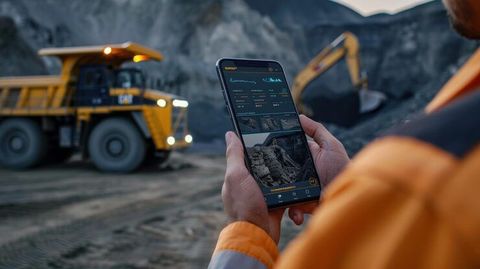
Mining asset trackers are digital systems used to monitor, locate, and manage equipment, vehicles, tools, and other valuable resources within mining operations. These systems help mining companies maintain visibility over assets spread across large and often remote locations.
Modern mining environments rely on heavy machinery, transportation fleets, drilling equipment, processing units, and safety devices. Tracking these assets manually can be challenging due to the size and complexity of mining sites. Mining asset trackers provide real-time data that helps operators improve efficiency, reduce downtime, enhance safety, and support informed decision-making.
As mining operations continue to adopt digital transformation initiatives, asset tracking has become a key component of smart mining strategies.
How Mining Asset Trackers Work
Mining asset tracking systems combine hardware and software technologies to collect, transmit, and analyze asset information.
The process typically includes:
Asset identification through tags, sensors, or tracking devices
Data collection from equipment and vehicles
Wireless communication using satellite, cellular, Wi-Fi, LPWAN, or private networks
Centralized data processing platforms
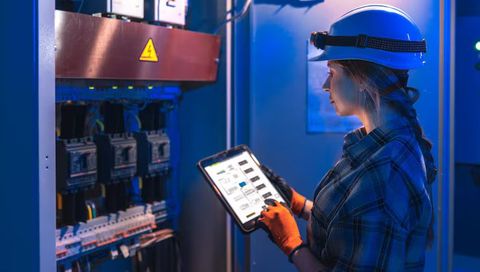
Dashboards and reporting tools for monitoring and analysis
Assets can be tracked continuously or at scheduled intervals depending on operational requirements. Managers receive information about asset location, utilization, performance, maintenance status, and operational conditions.
Key Components of a Mining Asset Tracker
Asset Identification Devices
RFID tags
QR codes
GPS trackers
Bluetooth beacons
NFC tags
Communication Infrastructure
Satellite communication systems
Cellular networks
Industrial Wi-Fi
Private LTE and 5G networks
Low-power wide-area networks
Monitoring Sensors
Temperature sensors
Vibration sensors
Fuel monitoring systems
Pressure sensors
Motion detection sensors
Software Platforms
Fleet management dashboards
Asset management applications
Predictive maintenance platforms
Reporting and analytics systems
Cloud-based monitoring solutions
Data Analytics Tools
Performance monitoring
Utilization analysis
Maintenance forecasting
Resource optimization
Operational intelligence reporting
Types of Mining Assets Commonly Tracked
| Asset Type | Tracking Purpose | Benefits |
|---|---|---|
| Haul Trucks | Location and utilization monitoring | Improved fleet efficiency |
| Excavators | Usage tracking and maintenance planning | Reduced downtime |
| Drilling Equipment | Performance monitoring | Enhanced productivity |
| Loaders | Operational visibility | Better resource allocation |
| Fuel Assets | Consumption tracking | Reduced waste |
| Safety Equipment | Availability monitoring | Improved worker safety |
| Spare Parts | Inventory visibility | Faster maintenance response |
| Processing Equipment | Condition monitoring | Increased operational reliability |
Importance of Mining Asset Tracking
Mining operations involve significant investments in equipment and infrastructure. Asset tracking systems help maximize the value of these investments.
Benefits include:
Improved equipment utilization
Enhanced operational transparency
Reduced equipment loss
Better maintenance planning
Increased workforce productivity
Stronger safety compliance
More accurate inventory management
Faster operational decision-making
Real-time visibility enables managers to understand how assets are performing and where improvements can be made.
Problems Solved by Mining Asset Trackers
Mining environments present several operational challenges.
Asset trackers help address:
Difficulty locating equipment across large sites
Unexpected machinery breakdowns
Asset underutilization
Inventory inaccuracies
Fuel management issues
Delayed maintenance activities
Safety monitoring limitations
Communication gaps between operational teams
By providing accurate data, tracking systems help reduce inefficiencies and support smoother operations.
Real-World Applications in Mining
Mining asset tracking is used throughout the mining lifecycle.
Surface Mining Operations
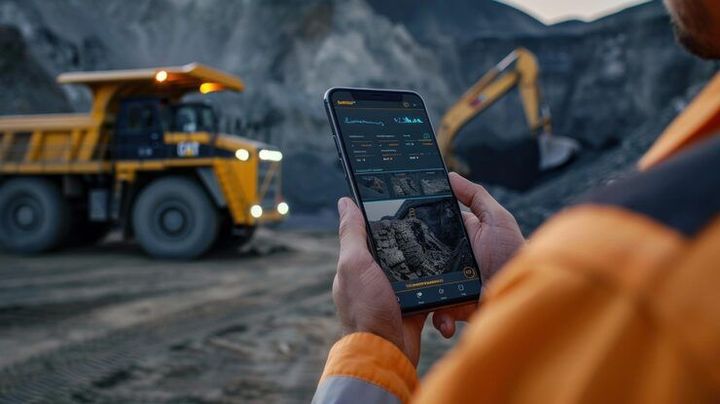
Large open-pit mines use tracking systems to monitor haul trucks, excavators, loaders, and support vehicles. Real-time visibility helps coordinate material movement and improve productivity.
Underground Mining
Underground mines use asset tracking to locate equipment and personnel in challenging environments. This supports operational efficiency and emergency response planning.
Fleet Management
Mining fleets often consist of hundreds of vehicles operating simultaneously. Asset tracking platforms provide centralized monitoring and performance analytics.
Maintenance Management
Equipment condition data helps maintenance teams identify issues before failures occur. Predictive maintenance strategies reduce downtime and extend equipment lifespan.
Inventory Control
Mining facilities track spare parts, consumables, and critical materials to maintain adequate stock levels and prevent operational disruptions.
Safety Monitoring
Tracking systems can support geofencing, hazard alerts, and worker protection initiatives in high-risk environments.
Integration with Industrial IoT
Mining asset trackers are increasingly connected to Industrial Internet of Things (IIoT) ecosystems.
Connected sensors continuously collect operational data such as:
Equipment health indicators
Environmental conditions
Fuel consumption
Engine performance
Operational workloads
This information is transmitted to analytics platforms where advanced algorithms identify trends, detect anomalies, and generate actionable insights.
The combination of asset tracking and IIoT supports intelligent mining operations and continuous performance improvement.
Recent Trends and Developments (2025–2026)
Several technological developments have influenced mining asset tracking over the past year.
Expansion of Private 5G Networks
During 2025 and 2026, more mining operations adopted private 5G infrastructure to support faster data transmission, improved reliability, and expanded connectivity for tracking systems.
Increased Use of Artificial Intelligence
AI-powered analytics platforms are increasingly being used to predict equipment failures, optimize fleet routes, and improve maintenance scheduling.
Growth of Digital Twin Technology
Mining organizations are integrating asset tracking data into digital twin environments. These virtual models help simulate operations and improve planning accuracy.
Enhanced Sustainability Monitoring
Environmental performance tracking has become more important. Asset monitoring systems now help organizations measure energy usage, fuel efficiency, and operational emissions.
Edge Computing Adoption
Edge computing technologies allow data processing closer to equipment locations, reducing latency and improving response times for critical operational decisions.
Regulations and Compliance Considerations
Mining organizations often operate under national and regional safety, environmental, and operational regulations.
Asset tracking systems can support compliance by providing:
Equipment maintenance records
Inspection documentation
Safety monitoring data
Incident investigation information
Operational audit trails
Common regulatory areas include:
Worker safety requirements
Equipment inspection standards
Environmental monitoring obligations
Operational reporting requirements
Emergency preparedness procedures
Specific requirements vary by country and mining jurisdiction, making accurate recordkeeping especially important.
Useful Tools and Platforms for Learning
Professionals interested in mining asset tracking can explore several technology categories.
Fleet Management Platforms
Mining fleet monitoring systems
Equipment utilization platforms
Vehicle tracking applications
Industrial IoT Platforms
Sensor management solutions
Industrial data analytics platforms
Connected asset monitoring systems
Geographic Information Systems
Mapping applications
Location intelligence tools
Spatial analytics platforms
Data Analytics Solutions
Predictive maintenance software
Operational intelligence platforms
Industrial reporting tools
Educational Resources
Mining engineering publications
Industrial automation training programs
Equipment maintenance courses
Digital mining technology research papers
Future Outlook
Mining asset tracking is expected to play a larger role in automated and data-driven mining environments.
Future developments may include:
Greater AI-driven automation
Expanded autonomous equipment monitoring
More sophisticated digital twins
Advanced predictive analytics
Improved underground positioning technologies
Wider adoption of connected mining ecosystems
As mining operations become increasingly digital, asset visibility will remain essential for productivity, safety, and operational resilience.
What is a mining asset tracker?
A mining asset tracker is a technology system used to monitor the location, condition, utilization, and performance of equipment, vehicles, tools, and resources within mining operations.
What technologies are used in mining asset tracking?
Common technologies include GPS, RFID, Bluetooth, IoT sensors, satellite communication, private wireless networks, cloud platforms, and data analytics tools.
How does asset tracking improve mining efficiency?
Asset tracking provides real-time visibility into equipment usage, reduces downtime, improves maintenance planning, and helps optimize resource allocation across mining operations.
Can mining asset trackers support safety initiatives?
Yes. Tracking systems can monitor equipment locations, establish geofenced safety zones, support emergency response efforts, and improve operational awareness.
What is the relationship between asset tracking and predictive maintenance?
Asset tracking systems collect operational and condition data from equipment. This information can be analyzed to predict failures before they occur, helping maintenance teams plan interventions proactively.
Conclusion
Mining asset trackers have become an important technology for modern mining operations. By providing real-time visibility into equipment, vehicles, inventory, and operational resources, these systems help improve efficiency, safety, maintenance planning, and overall operational performance.
The integration of Industrial IoT, artificial intelligence, edge computing, and digital twin technologies continues to expand the capabilities of asset tracking solutions. As mining organizations pursue greater automation and data-driven decision-making, mining asset trackers will remain a foundational tool for achieving reliable, productive, and sustainable operations.