Mattress Technology: Complete Guide to Materials, Features, and Sleep Comfort
A mattress plays an important role in overall sleep quality, physical comfort, and daily well-being.
Modern mattress technology has evolved significantly over the years, introducing advanced materials, innovative designs, and comfort-focused features that support different sleeping preferences.
Whether someone experiences back discomfort, sleeps on their side, or simply wants better rest, understanding mattress technology can help explain why certain mattresses feel different from others. Today's sleep products combine engineering, material science, and ergonomic design to create a more supportive sleeping environment.
This guide explores mattress materials, comfort features, sleep support technologies, and future trends shaping the sleep industry.
Understanding the Concept
Mattress technology refers to the materials, construction methods, and design innovations used to improve sleep comfort and body support.
Traditional mattresses primarily relied on basic springs and padding. Modern mattress construction incorporates advanced materials such as memory foam mattress layers, latex mattress components, hybrid mattress systems, cooling mattress technology, and pressure relief mattress designs.
The goal of mattress technology is to provide:
- Proper spinal alignment
- Balanced body support
- Pressure point reduction
- Temperature regulation
- Motion isolation
- Long-term durability
Different technologies address different sleep needs. For example, a person who sleeps hot may prefer a cooling mattress, while someone seeking extra support may choose a hybrid mattress with reinforced coils.
Key Types or Categories
Several mattress categories dominate the modern sleep industry.
Memory Foam Mattress
Memory foam mattress designs use special foam that responds to body heat and pressure.
Key characteristics include:
- Body contouring support
- Reduced pressure points
- Motion isolation
- Quiet sleeping surface
Memory foam is popular among side sleepers because it cushions shoulders and hips effectively.
Innerspring Mattress
Innerspring mattresses use metal coils as the primary support system.
Common features include:
- Responsive feel
- Strong airflow
- Traditional bounce
- Consistent support
Many sleepers appreciate the familiar feel and ventilation provided by coil-based construction.
Latex Mattress
Latex mattress models use natural or synthetic latex materials.
Benefits often include:
- Responsive comfort
- Durable structure
- Breathability
- Consistent support
Latex generally feels more buoyant compared to memory foam.
Hybrid Mattress
Hybrid mattress construction combines foam layers with coil support systems.
This category often delivers:
- Pressure relief
- Enhanced support
- Better airflow
- Balanced comfort
Hybrid designs have become increasingly popular because they combine multiple sleep technologies in one product.
Smart Mattress
Smart mattress technology incorporates sensors and digital monitoring features.
These systems may track:
- Sleep duration
- Movement patterns
- Sleep quality indicators
- Temperature preferences
Smart sleep technology continues to expand as connected home devices become more common.
Important Subsections
Cooling Mattress Technology
Temperature regulation is one of the most significant developments in mattress innovation.
Cooling mattress designs may include:
- Gel-infused foam
- Breathable fabrics
- Airflow channels
- Phase-change materials
These features help reduce heat buildup throughout the night.
Pressure Relief Mattress Systems
Pressure points occur when body weight concentrates in specific areas.
Pressure relief mattress technology distributes weight more evenly across the sleeping surface.
Common pressure areas include:
- Shoulders
- Hips
- Lower back
Better weight distribution often contributes to improved comfort.
Motion Isolation Features
Motion isolation minimizes movement transfer across the mattress.
For example, if one person changes sleeping positions, the other sleeper experiences less disturbance.
Memory foam mattress designs are especially effective at reducing motion transfer.
Edge Support Technology
Edge support reinforces mattress boundaries.
Strong edge support can:
- Improve stability
- Increase usable sleep space
- Make sitting on the edge more comfortable
This feature is particularly useful for couples sharing a mattress.
How It Works
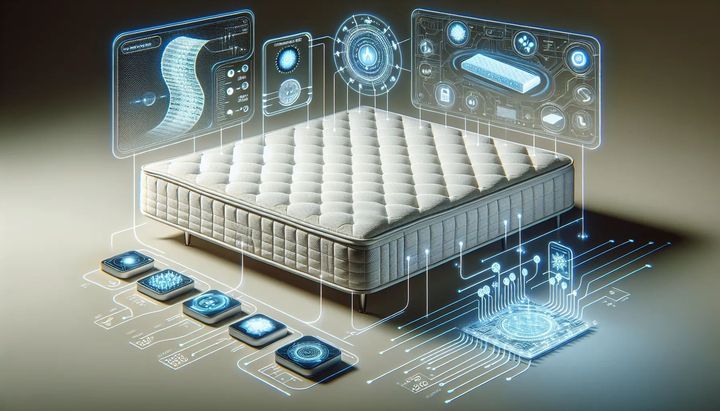
Modern mattress technology works by combining multiple layers with different functions.
Step 1: Support Layer
The bottom section creates the foundation.
This layer may contain:
- Steel coils
- Dense foam
- Hybrid support structures
The foundation maintains stability and structural integrity.
Step 2: Comfort Layer
The comfort layer sits above the support system.
Materials may include:
- Memory foam
- Latex
- Gel-infused foam
- Specialized cushioning materials
This layer helps reduce pressure points and improve comfort.
Step 3: Temperature Management Layer
Many modern mattresses incorporate cooling materials.
Examples include:
- Ventilated foam
- Cooling fibers
- Heat-dissipating materials
These components help maintain a more comfortable sleep environment.
Step 4: Surface Fabric
The outer cover protects internal materials and contributes to overall comfort.
Advanced covers may include:
- Moisture-wicking fabrics
- Cooling textiles
- Soft-touch materials
Together, these layers create a balanced sleeping surface designed for comfort and support.
Benefits and Advantages
Modern mattress technology provides numerous practical benefits.
Improved Sleep Comfort
Advanced materials conform to body shape while maintaining support.
This combination can create a more comfortable sleeping experience.
Better Pressure Distribution
Pressure relief mattress designs spread body weight more evenly.
This helps reduce concentrated pressure on sensitive areas.
Enhanced Temperature Control
Cooling mattress technologies help manage heat buildup during sleep.
A cooler sleep environment often feels more comfortable throughout the night.
Reduced Motion Transfer
Motion isolation benefits couples sharing a mattress.
Movement from one sleeper is less likely to disturb another.
Customized Sleep Experiences
Different mattress types accommodate various sleep preferences.
Examples include:
- Side sleepers
- Back sleepers
- Combination sleepers
- Hot sleepers
This variety helps people find a mattress structure that matches their needs.
Long-Term Durability
Modern mattress materials are engineered for extended performance.
High-quality construction helps maintain support and comfort over time.
Real-World Examples or Applications
Mattress technology serves a wide range of users and sleep scenarios.
Family Households
Families often prioritize durability, comfort, and motion isolation.
A hybrid mattress can help accommodate different sleep preferences within the household.
Students and Young Adults
Many younger sleepers seek mattresses that balance comfort and support in compact living spaces.
Memory foam mattresses are commonly selected because of their adaptability.
Individuals Seeking Back Support
Proper spinal alignment is important for comfortable sleep.
Many support-focused mattress designs use reinforced layers that help maintain body positioning.
Luxury Sleep Environments
Premium sleep products often include:
- Advanced cooling systems
- Smart sleep technology
- Multi-layer comfort structures
- Enhanced edge support
These features create a more sophisticated sleep experience.
Hospitality Industry
Hotels frequently evaluate mattress comfort carefully because sleep quality influences guest satisfaction.
Modern mattress technologies help create consistent comfort across different room types.
Important Factors to Understand
Several factors should be considered when evaluating mattress technology.
Sleeping Position
Different positions place pressure on different body areas.
- Side sleepers often prefer pressure-relieving materials.
- Back sleepers may prioritize balanced support.
- Stomach sleepers often require firmer support systems.
Firmness Level
Firmness affects overall comfort.
Common categories include:
- Soft
- Medium-soft
- Medium
- Medium-firm
- Firm
Comfort preferences vary significantly between individuals.
Material Selection
Each material provides a unique sleeping experience.
For example:
- Memory foam offers contouring comfort.
- Latex provides responsiveness.
- Coils improve airflow and support.
Understanding material characteristics helps explain differences between mattress designs.
Temperature Preferences
Some people naturally sleep warmer than others.
Cooling mattress technology may be especially valuable for those seeking improved temperature regulation.
Mattress Size
Selecting an appropriate mattress size ensures adequate sleeping space.
Common options include:
- Twin
- Full
- Queen
- King
- California King
Room dimensions and household needs often influence mattress size decisions.
Future Trends and Industry Insights
The sleep industry continues to evolve through innovation and research.
AI-Powered Sleep Analysis
Artificial intelligence is increasingly being integrated into smart mattress systems.
Future developments may provide deeper insights into:
- Sleep quality
- Movement patterns
- Recovery indicators
- Personalized comfort adjustments
Adaptive Comfort Technology
Emerging mattress designs may automatically adjust firmness based on body position and pressure distribution.
This could create more personalized sleep experiences.
Advanced Cooling Solutions
Manufacturers continue developing more effective cooling mattress materials.
Future technologies may regulate temperature more precisely throughout the night.
Sustainable Materials
Environmental awareness is encouraging the development of more sustainable mattress materials and manufacturing processes.
Natural fibers and renewable resources are receiving increased attention.
Connected Sleep Ecosystems
Smart mattress technology may integrate with:
- Smart lighting
- Climate control systems
- Sleep tracking devices
- Wellness platforms
These connected environments could create highly personalized sleep settings.
Conclusion
Mattress technology has transformed the way people think about sleep comfort and support. Modern innovations such as memory foam mattress construction, hybrid mattress systems, latex mattress materials, cooling mattress technology, and smart sleep technology provide a wide range of options for different sleeping preferences.
Understanding how mattress materials, support systems, temperature management features, and comfort layers work together can help explain why modern mattresses feel significantly different from traditional designs. As research and innovation continue, future mattress technology is expected to deliver even greater personalization, comfort, and sleep optimization.
A well-designed mattress is more than just a place to sleep. It is an important part of creating a comfortable, supportive, and restorative sleep environment.