VR Headsets: Complete Guide to Features, Technology, and User Experience
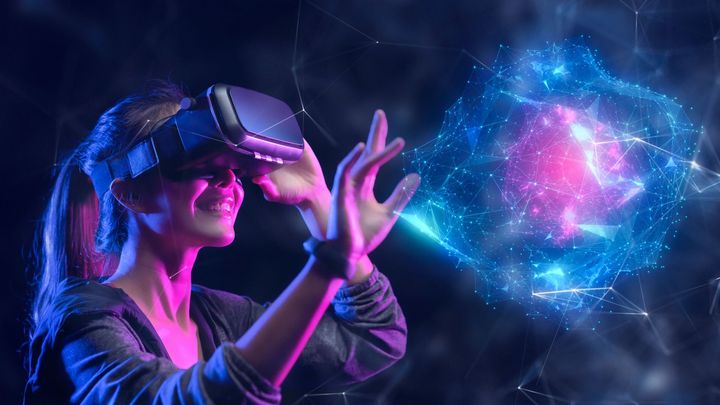
Virtual reality, often called VR, has transformed how people experience digital environments.
Instead of viewing content on a traditional screen, VR places users inside a simulated world that feels immersive and interactive. VR headsets are the primary devices that make this experience possible.
Today, VR technology is used in gaming, education, healthcare, architecture, training, and entertainment. As virtual reality headset technology continues to improve, users can enjoy more realistic visuals, smoother motion tracking, and enhanced interaction. Understanding how VR headsets work can help users appreciate their capabilities and choose the right features for their needs.
Understanding the Concept
A VR headset is a wearable device that displays a computer-generated environment directly in front of the user's eyes. The headset tracks head movements and adjusts the visual scene in real time, creating the sensation of being present inside a virtual world.
Unlike traditional displays, VR headsets create a three-dimensional experience. When users turn their heads, the virtual environment responds naturally. This interaction increases immersion and makes digital experiences feel more realistic.
Modern virtual reality devices combine high-resolution displays, motion sensors, spatial audio, and advanced tracking systems. These technologies work together to create a convincing sense of presence within digital environments.
Keywords commonly associated with this technology include VR headset technology, virtual reality gaming headset, immersive VR experience, wireless VR headset, enterprise VR solutions, VR training systems, augmented reality headset, mixed reality technology, and VR simulation platform.
Key Types or Categories
Several categories of VR headsets are available, each designed for different purposes and user preferences.
Standalone VR Headsets
Standalone headsets operate independently without requiring additional equipment. All processing components are built into the headset itself.
Advantages include:
- Easy setup
- Wireless operation
- Greater portability
- Convenient user experience
These devices are popular among beginners and casual users.
PC-Connected VR Headsets
PC-connected models rely on a powerful computer to generate graphics and virtual environments.
Benefits include:
- Higher visual quality
- Advanced graphics rendering
- Expanded application compatibility
- Enhanced virtual reality gaming experiences
These headsets are often preferred by enthusiasts seeking maximum performance.
Console-Based VR Headsets
Some VR devices connect directly to gaming consoles. They provide immersive experiences while using dedicated gaming hardware.
These systems balance accessibility and performance, making VR gaming available to a wider audience.
Mixed Reality and Hybrid Devices
Mixed reality technology combines digital content with the physical environment. Instead of completely replacing the real world, virtual objects appear alongside real surroundings.
This approach supports interactive learning, design visualization, and professional training applications.
Important Subsections
Display Resolution
Resolution refers to the number of pixels shown on the headset display.
Higher resolution provides:
- Sharper images
- Better text readability
- Reduced visual artifacts
- Improved immersion
Modern VR display technology continues advancing to deliver increasingly realistic visuals.
Field of View
Field of view describes how much of the virtual environment users can see at once.
A wider field of view creates a more natural experience by expanding peripheral vision and enhancing immersion.
Motion Tracking
Motion tracking allows the headset to detect movement accurately.
Tracking systems monitor:
- Head position
- Head rotation
- Controller movement
- Body positioning
Accurate tracking is essential for maintaining realism and comfort.
Refresh Rate
Refresh rate measures how frequently images update on the display.
Higher refresh rates contribute to:
- Smoother motion
- Reduced motion blur
- Better visual comfort
- Improved responsiveness
Spatial Audio
Spatial audio creates directional sound that changes according to the user's position within the virtual environment.
This feature enhances realism by helping users identify where sounds originate.
How It Works
VR headsets rely on several technologies working together simultaneously.
Step 1: Visual Generation
A computer, console, or internal processor generates digital images for each eye.
These images are slightly different, creating depth perception similar to natural human vision.
Step 2: Motion Detection
Built-in sensors continuously monitor head movements.
Common sensors include:
- Accelerometers
- Gyroscopes
- Position sensors
These components detect changes in direction and movement.
Step 3: Real-Time Adjustment
As users move, the system updates the virtual environment immediately.
This rapid adjustment helps maintain immersion and realism.
Step 4: Controller Interaction
Hand controllers allow users to interact with virtual objects.
Users can:
- Select items
- Navigate menus
- Manipulate objects
- Perform actions within applications
Step 5: Audio Integration
Spatial audio systems synchronize sound with visual content.
The result is a more complete and believable virtual environment.
Benefits and Advantages
VR headsets provide numerous advantages across personal and professional applications.
Enhanced Immersion
Users feel more connected to digital environments compared to traditional screens.
This immersive VR experience increases engagement and participation.
Improved Learning
Educational institutions use VR training systems to create realistic learning scenarios.
Students can explore complex concepts through interactive experiences rather than passive observation.
Safe Simulation Environments
Simulation-based training allows individuals to practice skills without real-world risks.
Examples include:
- Medical procedures
- Equipment operation
- Emergency response exercises
- Aviation training
Greater Accessibility to Experiences
Virtual reality allows users to visit locations, attend events, or explore environments that may otherwise be difficult to access physically.
Advanced Visualization
Industries use enterprise VR solutions to visualize projects before construction or implementation.
This capability supports better planning and decision-making.
Real-World Examples or Applications
VR technology has expanded far beyond gaming and entertainment.
Gaming and Entertainment
Virtual reality gaming headset systems create highly interactive experiences where players become active participants within digital worlds.
Players can:
- Explore environments
- Solve challenges
- Engage in simulations
- Participate in multiplayer experiences
Healthcare
Medical professionals use VR simulation platforms for training and patient education.
Applications include:
- Surgical practice
- Rehabilitation programs
- Pain management techniques
- Medical visualization
Education
Schools and universities use VR technology to create immersive learning experiences.
Students can virtually:
- Visit historical locations
- Explore scientific concepts
- Conduct simulations
- Practice technical skills
Architecture and Design
Architects use virtual reality headset technology to present building concepts before construction begins.
Clients can walk through virtual structures and evaluate layouts in detail.
Corporate Training
Organizations increasingly use VR training systems to prepare employees for complex situations.
Examples include:
- Equipment operation
- Workplace safety
- Customer interaction scenarios
- Leadership development exercises
Important Factors to Understand
Several factors influence the quality of a VR experience.
Comfort and Ergonomics
A headset should fit comfortably during extended use.
Important considerations include:
- Weight distribution
- Adjustable straps
- Face cushioning
- Ventilation
Comfort contributes significantly to user satisfaction.
Tracking Accuracy
Accurate tracking improves realism and reduces disruptions.
Poor tracking may affect immersion and interaction quality.
Display Quality
Display quality influences overall visual clarity.
Users often evaluate:
- Resolution
- Brightness
- Contrast
- Color accuracy
Content Availability
The variety of available applications and experiences can impact long-term usage.
A broader ecosystem generally provides more opportunities for exploration and learning.
Motion Comfort
Some individuals may experience discomfort when using VR.
Factors that influence comfort include:
- Refresh rate
- Tracking quality
- Movement mechanics
- Session duration
Modern devices continue improving in this area through technological advancements.
Future Trends and Industry Insights
The future of VR headset technology appears highly promising.
Higher Resolution Displays
Manufacturers continue developing displays with greater clarity and realism.
Future headsets may approach visual quality comparable to natural human vision.
Improved Wireless Performance
Wireless VR headset technology is advancing rapidly.
Reduced latency and stronger connectivity will support smoother experiences without physical cables.
Artificial Intelligence Integration
Artificial intelligence can enhance personalization and interaction within virtual environments.
Future systems may adapt experiences based on user behavior and preferences.
Expanded Mixed Reality Capabilities
Mixed reality technology is expected to become increasingly sophisticated.
Users may interact seamlessly with both physical and digital objects simultaneously.
Professional and Enterprise Growth
Enterprise VR solutions are gaining attention across industries.
Applications in healthcare, engineering, manufacturing, and education continue expanding as organizations recognize the value of immersive training and visualization.
More Natural Interaction Methods
Future VR devices may rely more heavily on:
- Hand tracking
- Eye tracking
- Voice interaction
- Gesture recognition
These advancements can create more intuitive and realistic experiences.
Conclusion
VR headsets have transformed the way people interact with digital environments. Through advanced displays, motion tracking, spatial audio, and immersive design, these devices create experiences that feel engaging and realistic.
From virtual reality gaming headset systems to enterprise VR solutions and educational applications, the technology continues expanding into new industries and use cases. Features such as wireless connectivity, high-resolution displays, mixed reality technology, and intelligent tracking systems are shaping the future of immersive experiences.
As innovation continues, VR headset technology is likely to become more powerful, accessible, and integrated into everyday activities. Understanding the features, technologies, and user experience factors behind these devices helps users make informed decisions and appreciate the growing impact of virtual reality.