Thermal Imaging Camera: Important Facts About Infrared Detection Devices
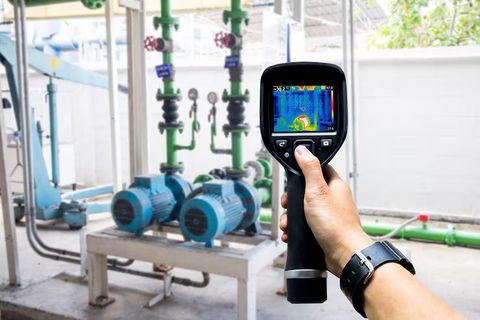
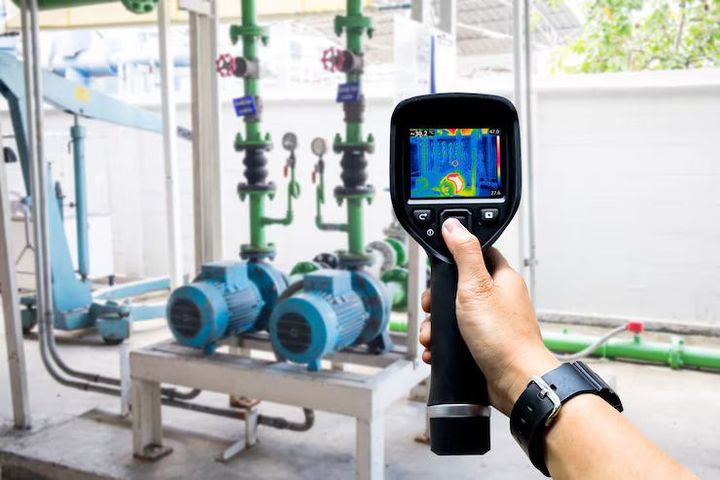
A thermal imaging camera is a device that detects infrared radiation emitted by objects and converts it into a visual image showing temperature differences. Unlike traditional cameras that rely on visible light, thermal cameras capture heat signatures, allowing users to observe temperature variations even in darkness, smoke, fog, or other challenging conditions.
Thermal imaging technology plays a significant role in industrial inspection, electrical maintenance, building diagnostics, security monitoring, healthcare screening, firefighting, and scientific research. By identifying heat patterns that are invisible to the human eye, these cameras help detect problems before they become serious failures.
As industries increasingly focus on safety, predictive maintenance, and operational efficiency, thermal imaging cameras have become valuable tools for monitoring equipment and infrastructure.
How Thermal Imaging Cameras Work
Every object with a temperature above absolute zero emits infrared energy. A thermal imaging camera detects this infrared radiation using specialized sensors.
The process generally involves:
- Detecting infrared energy emitted by objects
- Converting infrared signals into electronic data
- Processing temperature information through onboard software
- Displaying temperature variations as a thermal image
- Assigning different colors or shades to different temperature ranges
Warmer areas typically appear in brighter colors, while cooler regions appear darker, depending on the selected color palette.
The resulting image enables users to identify unusual heat patterns that may indicate equipment faults, insulation issues, overheating components, or energy losses.
Main Components of a Thermal Imaging Camera
Thermal imaging cameras contain several important components that work together to create accurate thermal images.
Key Components
- Infrared lens
- Thermal sensor or detector
- Image processing unit
- Display screen
- Temperature measurement software
- Memory storage system
- Wireless communication module
- Battery and power management system
The quality of these components directly affects image resolution, temperature accuracy, and overall performance.
Types of Thermal Imaging Cameras
Different thermal imaging cameras are designed for specific applications and environments.
| Type | Common Application | Key Characteristic |
|---|---|---|
| Handheld Thermal Camera | Industrial inspections | Portable and versatile |
| Fixed Thermal Camera | Continuous monitoring | Permanent installation |
| Drone-Mounted Thermal Camera | Infrastructure surveys | Aerial thermal imaging |
| Smartphone Thermal Camera | Quick inspections | Compact and portable |
| Security Thermal Camera | Surveillance systems | Long-range monitoring |
| Scientific Thermal Camera | Research and laboratories | High accuracy and sensitivity |
Each type offers advantages depending on operational requirements and environmental conditions.
Why Thermal Imaging Cameras Are Important
Temperature is often one of the earliest indicators of developing problems. Thermal imaging cameras allow organizations to identify abnormalities before visible damage occurs.
Benefits include:
- Early fault detection
- Improved workplace safety
- Reduced equipment downtime
- Better energy efficiency
- Enhanced maintenance planning
- Faster inspections
- Non-contact temperature measurement
- Increased operational reliability
Many industries use thermal inspections as part of predictive maintenance programs to prevent unexpected failures.
Industrial Applications
Thermal imaging cameras are widely used across numerous sectors.
Manufacturing
- Monitoring machinery temperatures
- Detecting bearing failures
- Identifying motor overheating
- Verifying production processes
Electrical Systems
- Locating overloaded circuits
- Detecting loose electrical connections
- Identifying transformer hot spots
- Monitoring switchgear performance
Building Inspection
- Detecting insulation defects
- Finding water intrusion
- Identifying air leakage
- Assessing energy efficiency
Oil and Gas
- Pipeline inspection
- Leak detection
- Equipment monitoring
- Facility safety assessments
Firefighting
- Locating hidden fire sources
- Identifying hot spots
- Improving visibility through smoke
- Supporting rescue operations
Healthcare
- Temperature screening
- Medical research
- Diagnostic support applications
- Inflammation monitoring studies
Security and Surveillance
- Perimeter monitoring
- Intrusion detection
- Night-time observation
- Critical infrastructure protection
Problems Thermal Imaging Cameras Help Solve
Organizations often face challenges that are difficult to detect through visual inspection alone.
Thermal imaging cameras help address:
- Equipment overheating
- Electrical faults
- Mechanical wear
- Energy losses
- Insulation failures
- Hidden moisture problems
- Process inefficiencies
- Safety hazards
By identifying these issues early, maintenance teams can take corrective action before major disruptions occur.
Important Features to Consider
Modern thermal imaging cameras offer advanced capabilities that improve inspection accuracy and usability.
Common Features
- High thermal resolution
- Wide temperature measurement range
- Real-time thermal imaging
- Automatic temperature alarms
- Image enhancement technology
- Wireless connectivity
- Cloud integration
- GPS tagging
- Video recording
- Thermal reporting software
Higher-resolution systems generally provide greater detail, making it easier to identify small temperature differences.
Thermal Resolution and Sensitivity
Two important performance metrics are thermal resolution and thermal sensitivity.
Thermal resolution refers to the number of pixels used to create the thermal image. Higher resolution provides more detailed temperature information.
Thermal sensitivity, often measured as NETD (Noise Equivalent Temperature Difference), indicates the camera's ability to detect small temperature differences. Lower NETD values generally provide more precise thermal measurements.
These specifications are especially important in industrial inspections, scientific research, and critical infrastructure monitoring.
Recent Developments and Industry Trends (2025–2026)
Thermal imaging technology has continued to evolve significantly during the past year.
Emerging Trends
- AI-powered thermal anomaly detection
- Integration with Industrial IoT platforms
- Edge computing for real-time analysis
- Higher-resolution infrared sensors
- Compact smartphone-compatible thermal devices
- Cloud-based thermal monitoring systems
- Advanced predictive maintenance analytics
- Autonomous drone thermal inspections
2025 Developments
- Expanded use of AI-assisted predictive maintenance in manufacturing facilities
- Increased adoption of thermal monitoring in renewable energy infrastructure
- Enhanced thermal analytics software with automated reporting capabilities
2026 Developments
- Wider deployment of thermal cameras in smart factories
- Improved infrared sensor efficiency and image quality
- Greater integration with industrial automation and remote monitoring systems
These advancements are helping organizations improve efficiency, reduce maintenance risks, and strengthen operational safety.
Standards, Regulations, and Compliance Considerations
Thermal imaging inspections are often conducted according to recognized standards and industry guidelines.
Relevant Standards
- ISO 18434 for condition monitoring and diagnostics
- ISO 6781 for building performance assessment
- IEC standards for electrical equipment inspection
- Occupational safety regulations applicable to thermal inspections
- Industry-specific maintenance and reliability guidelines
Organizations should ensure thermal inspections are performed by trained personnel and follow applicable regulatory requirements.
In sectors such as energy, manufacturing, utilities, and transportation, compliance with inspection standards can support safety and operational objectives.
Useful Tools and Learning Resources
Professionals seeking to learn more about thermal imaging technology can explore various educational resources.
Learning Resources
- Infrared thermography training programs
- Industrial maintenance certification courses
- Building diagnostics workshops
- Electrical inspection training programs
- Engineering and reliability associations
Useful Software and Platforms
- Thermal image analysis software
- Predictive maintenance platforms
- Industrial asset monitoring systems
- Building energy assessment tools
- Cloud-based inspection reporting solutions
Continuous learning helps users improve inspection accuracy and understand evolving industry practices.
Future Outlook
The future of thermal imaging cameras is closely linked to artificial intelligence, automation, and connected monitoring systems.
Future developments are expected to include:
- More intelligent thermal analytics
- Improved sensor performance
- Enhanced automation capabilities
- Faster anomaly detection
- Greater integration with digital twins
- Expanded use in smart infrastructure
- Improved remote monitoring systems
As technology continues to advance, thermal imaging cameras are likely to become even more important for industrial safety, maintenance, and operational efficiency.
FAQs
What is a thermal imaging camera used for?
A thermal imaging camera detects heat emitted by objects and converts it into visual images. It is commonly used for industrial inspections, electrical diagnostics, building assessments, firefighting, and security monitoring.
Can thermal imaging cameras work in complete darkness?
Yes. Thermal imaging cameras detect infrared radiation rather than visible light, allowing them to operate effectively in complete darkness.
Are thermal imaging cameras accurate for temperature measurement?
Modern thermal imaging cameras can provide highly accurate temperature measurements when properly calibrated and used according to manufacturer guidelines.
What industries benefit most from thermal imaging technology?
Manufacturing, utilities, oil and gas, construction, transportation, healthcare, firefighting, and security sectors widely use thermal imaging technology for monitoring and inspection purposes.
How does thermal imaging support predictive maintenance?
Thermal imaging identifies abnormal temperature patterns that may indicate developing equipment problems. Maintenance teams can address issues early, reducing downtime and improving reliability.
Conclusion
Thermal imaging cameras have become essential tools for detecting temperature-related issues across a wide range of industries. By converting infrared radiation into detailed thermal images, these devices help identify equipment faults, improve safety, enhance energy efficiency, and support predictive maintenance strategies.
Advancements in artificial intelligence, Industrial IoT connectivity, cloud analytics, and high-resolution sensors continue to expand the capabilities of thermal imaging systems. As organizations increasingly focus on reliability, operational efficiency, and proactive maintenance, thermal imaging cameras will remain a valuable technology for monitoring assets, diagnosing problems, and supporting informed decision-making.