Marine Cooling Units: Essential Guide to Marine Refrigeration
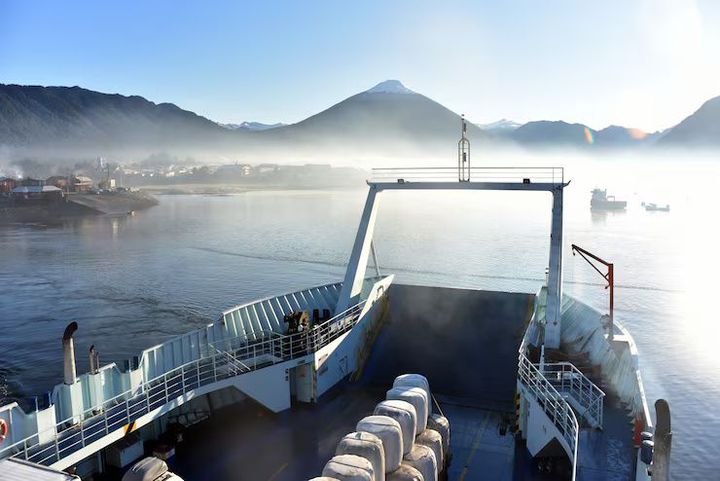
Marine cooling units help ships control temperature for crew areas, machinery spaces, cargo, food storage, and sensitive onboard equipment.
Marine cooling units are specialized systems designed to remove heat and maintain controlled temperatures aboard vessels. They can support accommodation areas, engine rooms, electrical spaces, refrigerated storage, cargo zones, and equipment that must operate within a defined temperature range.
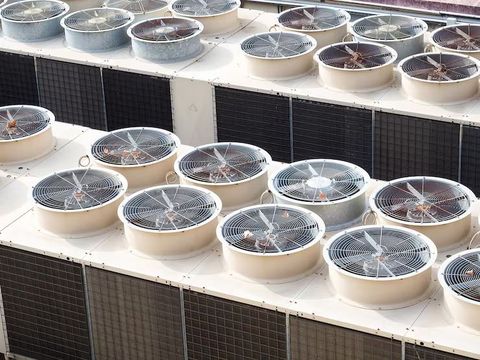
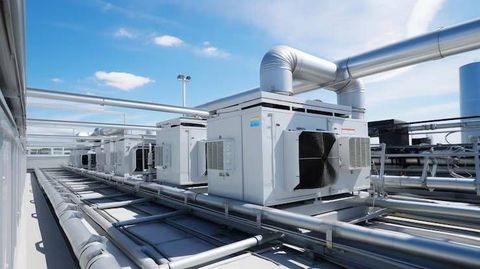
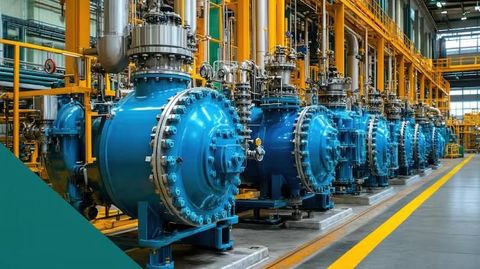
Unlike many land-based systems, marine cooling equipment must operate in a challenging environment. Salt air, vibration, humidity, limited space, changing seawater temperatures, and continuous operation can affect performance. Common designs include air-cooled and seawater-cooled refrigeration systems, chilled-water systems, condenser units, compressors, evaporators, pumps, fans, and control panels.
A typical marine refrigeration cycle moves heat from an enclosed space through a refrigerant circuit. The compressor raises refrigerant pressure, the condenser rejects heat, the expansion device lowers pressure, and the evaporator absorbs heat from the target area.
Why Marine Cooling Matters Today
Temperature control is closely connected with vessel safety, crew comfort, cargo protection, and equipment reliability. A poorly controlled environment can increase humidity, encourage corrosion, reduce equipment efficiency, or create unsuitable conditions for temperature-sensitive cargo.
Marine cooling units can also influence a vessel's overall energy profile. IMO energy-efficiency requirements encourage ships to improve technical and operational performance. For larger ships, measures such as EEXI and CII make energy efficiency an important part of vessel management.
Modern systems increasingly focus on variable-speed compressors, electronic controls, heat recovery, improved insulation, and lower-global-warming-potential refrigerants. The objective is not simply stronger cooling, but appropriate capacity, dependable operation, and efficient energy use.
Common applications include:
- Crew accommodation and passenger spaces
- Engine and electrical equipment rooms
- Galley and food-storage areas
- Refrigerated cargo systems
- Chilled-water cooling circuits
- Navigation and electronic equipment spaces
Recent Developments in Marine Cooling
Developments during 2025 and 2026 have increasingly connected marine cooling with energy efficiency and environmental performance.
In April 2025, the IMO completed Phase 1 of its review of short-term greenhouse-gas measures, including EEXI, enhanced SEEMP, and CII. Phase 2 began in 2026 and is expected to continue through spring 2028.
In April 2026, IMO discussions also progressed on guidelines supporting the proposed Net-Zero Framework and further emissions-related measures.
Refrigerant selection is another major trend. The European Union's F-gas Regulation, which applies from March 2024, strengthens controls on fluorinated greenhouse gases. EU guidance lists alternatives such as carbon dioxide, ammonia, propane, and certain lower-GWP refrigerants for appropriate applications, including mobile air conditioning on ships.
Cooling Technology Comparison
| System Type | Typical Strength | Main Consideration |
|---|---|---|
| Seawater-cooled | Effective heat rejection | Fouling and corrosion |
| Air-cooled | Simpler heat rejection | Ambient temperature |
| Chilled-water | Centralized temperature control | Pump and heat-exchanger efficiency |
| Direct-expansion | Compact cooling circuit | Refrigerant management |
Maritime Rules and Environmental Policies
Marine cooling equipment can be affected by international maritime requirements and national rules applicable to vessels operating in particular jurisdictions.
MARPOL Annex VI addresses air pollution from ships and includes controls on ozone-depleting substances. IMO states that CFC- and halon-containing equipment cannot be newly installed on ships constructed from 19 May 2005, while new HCFC-containing installations have been prohibited from 1 January 2020. Deliberate release of ozone-depleting substances is also prohibited.
Vessels operating in or visiting particular regions may also face additional refrigerant, environmental, electrical, and safety requirements. Equipment selection should therefore consider the vessel's flag, operating area, refrigerant type, classification requirements, and applicable environmental rules.
Tools and Resources for Understanding Cooling Systems
Useful resources for marine cooling planning and education include:
- Cooling-load calculation worksheets
- Psychrometric charts for air-conditioning analysis
- Refrigerant property tables
- Heat-exchanger sizing calculators
- Temperature and humidity monitoring tools
- Refrigerant safety data sheets
- Equipment inspection checklists
- Ship energy-efficiency assessment tools
In June 2026, IMO's Low Carbon GIA updated its Ship Energy Efficiency Solutions Portal and Ship Energy Efficiency Appraisal Tool to support practical assessment of ship-efficiency measures.
Frequently Asked Questions
What are marine cooling units used for?
They are used for air conditioning, refrigeration, chilled-water circulation, cargo temperature control, food storage, and cooling of selected onboard equipment.
Which refrigerants are used in marine systems?
Refrigerant choice depends on system design, safety requirements, environmental regulations, and operating conditions. Modern alternatives include carbon dioxide, ammonia, propane, and selected lower-GWP refrigerants.
Why is seawater commonly used for cooling?
Seawater can act as a heat-transfer medium through marine heat exchangers, allowing heat from refrigeration or chilled-water systems to be rejected outside the vessel.
How does marine cooling affect energy efficiency?
Compressors, pumps, fans, and heat exchangers consume or influence electrical energy. Correct sizing, control strategies, insulation, and efficient heat transfer can help reduce unnecessary energy demand.
Are older refrigeration systems still relevant?
Some older systems remain in operation, but refrigerant restrictions, equipment condition, environmental requirements, and safety considerations can affect their continued use.
Conclusion
Marine cooling units are an important part of modern vessel infrastructure. They support comfortable accommodation, reliable equipment operation, controlled cargo environments, and temperature-sensitive storage. Current industry developments are increasingly focused on energy efficiency, refrigerant selection, environmental performance, and digital monitoring.
For anyone studying marine HVAC, ship refrigeration, or maritime engineering, understanding the cooling cycle, heat-transfer methods, refrigerant rules, and vessel energy requirements provides a strong foundation for evaluating modern marine cooling technologies.
Disclaimer:
This article is for general educational purposes. Marine cooling requirements vary by vessel type, flag state, operating region, equipment design, and applicable regulations. Technical decisions should be based on current official requirements and qualified engineering assessment.