Luxury Gold Jewellery: Complete Guide to Styles, Purity, and Timeless Elegance
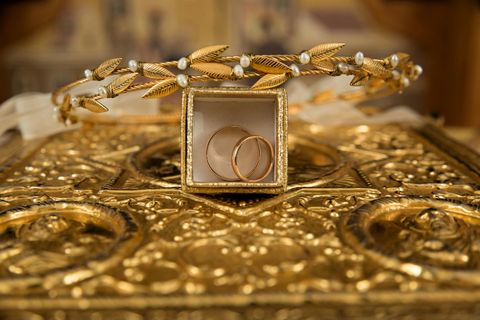
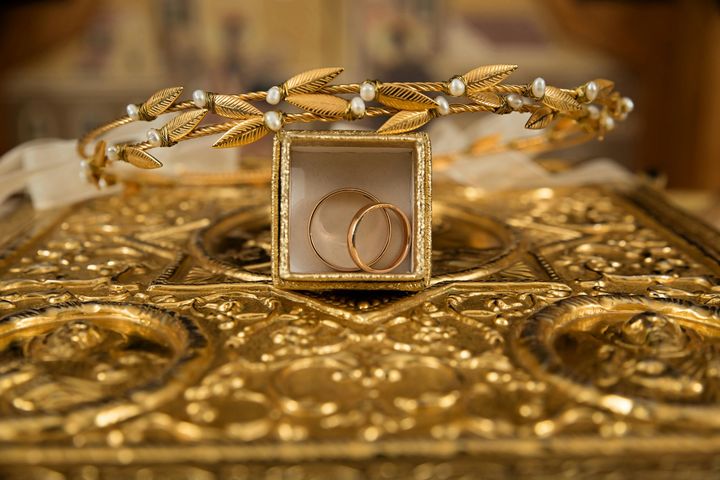
Luxury gold jewellery refers to finely crafted ornaments made primarily from gold, valued for their durability, cultural significance, and long-term appeal. Gold has been used in jewellery for thousands of years due to its natural luster, resistance to corrosion, and ability to be shaped into intricate designs.
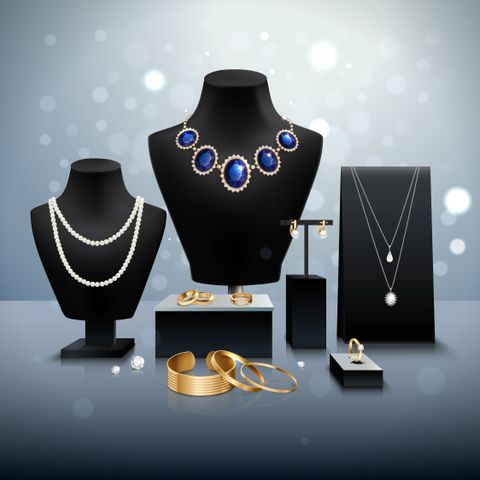
This category includes necklaces, rings, bracelets, earrings, and ceremonial pieces that often combine craftsmanship with artistic expression. In many regions, gold jewellery also carries symbolic meanings related to heritage, celebrations, and milestones.
Gold jewellery exists in different purity levels and design styles. Purity determines how much actual gold is present, while design reflects changing tastes, traditions, and craftsmanship techniques. Together, these factors shape what is considered “luxury” in this category.
Why Gold Jewellery Matters Today
Gold jewellery remains relevant for several reasons, especially in modern financial and cultural contexts. It plays a role beyond aesthetics and is often linked to personal security, tradition, and identity.
Key reasons for its importance include:
- Cultural significance: In countries like India, gold jewellery is deeply connected to weddings, festivals, and family traditions.
- Value preservation: Gold is often seen as a stable asset that retains value over time compared to other materials.
- Versatility: It can be worn daily or reserved for special occasions.
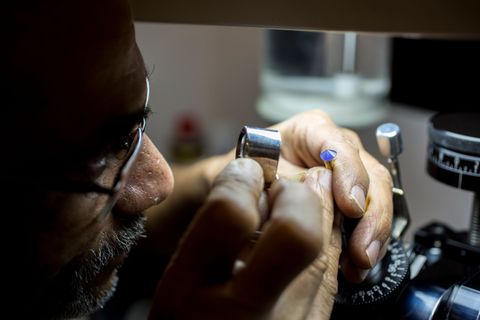
- Craftsmanship and artistry: Luxury pieces reflect detailed workmanship, often handcrafted by skilled artisans.
Common problems this topic helps address:
- Confusion about gold purity and quality
- Difficulty understanding different styles and their uses
- Lack of awareness about authenticity standards
- Limited knowledge of regulations and certifications
Recent Trends and Updates (2025–2026)
The gold jewellery industry has seen noticeable shifts over the past year, influenced by consumer preferences, sustainability concerns, and technological advancements.
Lightweight and minimalist designs (2025):
Consumers are increasingly choosing lighter, everyday-wear jewellery with simple patterns. This trend reflects a move toward practicality without losing elegance.
Sustainable sourcing awareness (2025–2026):
There is growing attention to ethically sourced gold. Many manufacturers now emphasize traceability and responsible mining practices.
Digital customization tools (2026):
Jewellery design platforms now allow users to visualize custom pieces using augmented reality. This helps individuals understand proportions and styles before finalizing designs.
Rise of mixed-metal jewellery (late 2025):
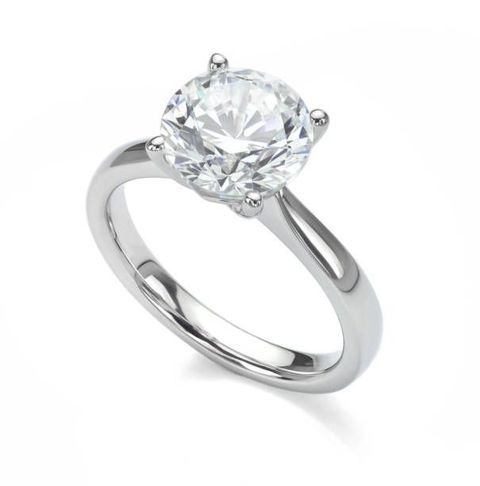
Combining gold with platinum, silver, or rose gold tones has become more popular, offering a modern aesthetic.
Hallmarking enforcement updates (India, 2025):
The Bureau of Indian Standards (BIS) expanded mandatory hallmarking to more districts, improving consumer protection and authenticity verification.
Regulations and Policies Affecting Gold Jewellery
Gold jewellery is subject to various rules that ensure quality, transparency, and consumer safety. These regulations vary by country but share common goals.
In India, key policies include:
-
BIS Hallmarking:
Mandatory hallmarking certifies gold purity. Each piece includes:- BIS logo
- Purity grade (e.g., 22K, 18K)
- Assay center mark
- Jeweller identification
-
Gold purity standards:
Purity is measured in karats (K).- 24K: Pure gold (99.9%)
- 22K: Common for jewellery (91.6%)
- 18K: Used for durability and design flexibility
-
Goods and Services Tax (GST):
Gold jewellery is taxed under GST, which standardizes pricing transparency. -
Import policies:
Government regulations on gold imports affect supply and pricing trends in the domestic market.
These policies help reduce fraud, ensure consistent quality, and protect consumers from misleading claims.
Gold Purity Levels and Their Uses
| Purity Level | Gold Content | Common Uses | Durability |
|---|---|---|---|
| 24K | 99.9% | Coins, investment bars | Very soft |
| 22K | 91.6% | Traditional jewellery | Moderate |
| 18K | 75% | Designer jewellery | High |
| 14K | 58.3% | Daily wear jewellery | Very high |
This table highlights how purity affects both durability and application. Higher purity means softer metal, while lower purity increases strength.
Common Styles in Luxury Gold Jewellery
Different styles reflect both tradition and modern design trends.
Traditional styles:
- Temple jewellery
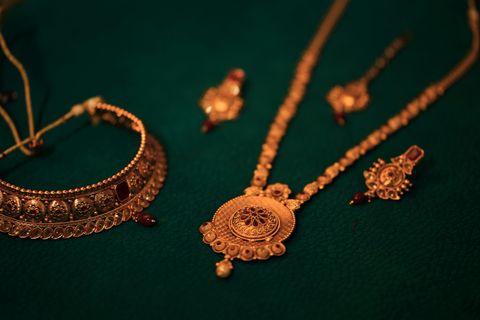
- Kundan and Polki designs
- Filigree work
Contemporary styles:
- Minimalist chains and pendants
- Geometric patterns
- Layered jewellery
Fusion styles:
- Combining traditional motifs with modern shapes
- Mixing gold tones (yellow, white, rose)
Each style serves different occasions and preferences, from ceremonial use to everyday wear.
Tools and Resources for Understanding Gold Jewellery
Several tools and platforms can help individuals make informed decisions and understand gold jewellery better.
Hallmark verification tools:
- BIS Care mobile app allows users to verify hallmark authenticity.
Gold price tracking platforms:
- Financial news websites and commodity tracking apps provide daily gold price updates.
Jewellery design software:
- CAD-based tools used by designers to create and preview jewellery designs digitally.
Gold purity calculators:
- Online calculators help estimate purity levels and weight conversions.
Educational resources:
- Government websites and industry portals explain hallmarking, regulations, and standards.
These resources improve transparency and help individuals better understand quality and authenticity.
Frequently Asked Questions
What is the difference between 22K and 24K gold?
24K gold is nearly pure and softer, while 22K gold contains small amounts of other metals, making it more durable for jewellery.
How can gold jewellery authenticity be verified?
Look for BIS hallmark symbols and use official verification apps to confirm authenticity.
Why is gold mixed with other metals?
Pure gold is soft. Mixing it with metals like copper or silver increases strength and durability.
What are the latest jewellery trends?
Recent trends include minimalist designs, mixed metals, and lightweight jewellery suitable for daily wear.
Does gold jewellery lose value over time?
Gold itself generally retains value, but the resale value of jewellery may depend on design, craftsmanship, and purity.
Conclusion
Luxury gold jewellery combines tradition, craftsmanship, and long-term value. Understanding its purity levels, design styles, and regulatory framework helps individuals make informed decisions.
Recent trends show a shift toward practicality, sustainability, and digital innovation, reflecting changing consumer preferences. At the same time, hallmarking and government regulations continue to improve transparency and trust in the market.
By using available tools and staying informed about standards and trends, individuals can better appreciate the significance and quality of gold jewellery in both cultural and modern contexts.