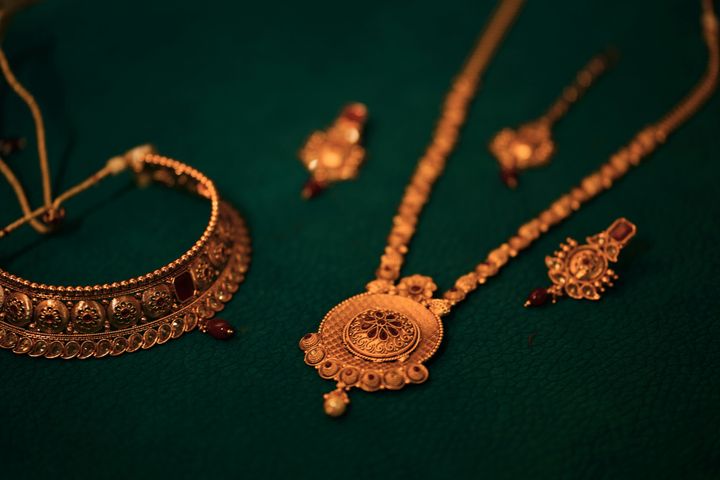
Antique Jewellery Explore Guide: Discover History, Value, Buying Tips & Essential Care Advice
Antique jewellery refers to pieces that are typically over 100 years old and reflect the craftsmanship, materials, and cultural influences of their time. These items are often handmade and may include intricate designs, rare gemstones, and traditional techniques that are no longer widely used.
The existence of antique jewellery is closely linked to history and heritage. Different eras such as Victorian, Edwardian, and Art Deco periods have distinct styles that help identify the age and origin of a piece. These designs often carry symbolic meanings and reflect social, political, and artistic trends of their time.
Unlike modern jewellery, antique pieces are valued not only for their materials but also for their historical significance. They are associated with areas such as vintage jewellery valuation insights, rare gemstone identification knowledge, and precious metal heritage craftsmanship.
Antique jewellery serves multiple purposes today, including preservation of history, personal collection, and educational exploration of past design techniques.
Importance – Why Antique Jewellery Matters Today
Antique jewellery remains relevant in modern times due to its cultural, historical, and aesthetic significance. It provides insight into past civilizations and showcases craftsmanship that is difficult to replicate with modern mass production methods.
One important aspect is heritage preservation. Antique jewellery helps maintain a connection to history and traditions. Many pieces are passed down through generations, carrying emotional and cultural value.
Another key factor is uniqueness. Each antique piece is distinct, often featuring designs and materials that are no longer commonly available. This uniqueness contributes to its importance in luxury asset diversification insights and collectible asset evaluation knowledge.
Antique jewellery is important for:
- Collectors interested in historical jewellery trends analysis
- Historians studying cultural and artistic developments
- Individuals exploring precious metal investment insights
- Designers seeking inspiration from traditional craftsmanship
It also helps address challenges such as:
- Loss of traditional design techniques
- Limited awareness of historical jewellery styles
- Difficulty in identifying authentic antique pieces
The table below compares antique and modern jewellery:
| Feature | Antique Jewellery | Modern Jewellery |
|---|---|---|
| Age | Over 100 years | Recently manufactured |
| Craftsmanship | Handcrafted | Often machine-produced |
| Design | Era-specific styles | Contemporary trends |
| Materials | Natural gemstones and metals | Mixed traditional and synthetic |
| Value Factors | Historical and rarity-based | Material and design-based |
This comparison highlights why antique jewellery holds a unique place in both history and modern appreciation.
Recent Updates – Trends and Developments (2025–2026)
The antique jewellery market has experienced renewed interest in recent years, particularly during 2025–2026. One notable trend is the increasing appreciation for sustainable and circular fashion. Antique jewellery aligns with this movement because it promotes reuse and reduces the need for new resource extraction.
Another development is the use of digital platforms for showcasing and studying antique pieces. Online archives and virtual exhibitions have made it easier for individuals to explore historical jewellery collections.
There has also been growth in authentication technologies. Advanced tools such as spectroscopy and digital certification are being used to verify the age and composition of jewellery. This supports antique jewellery authentication insights.
The table below summarizes recent trends:
| Trend (2025–2026) | Description |
|---|---|
| Sustainable fashion | Increased focus on reuse and heritage items |
| Digital exhibitions | Online access to antique collections |
| Authentication technology | Advanced methods for verifying age and materials |
| Minimal restoration | Preference for preserving original condition |
| Educational content growth | More resources explaining historical jewellery styles |
These trends reflect a growing awareness of both sustainability and historical value.
Laws or Policies – Regulations and Standards in India
Antique jewellery in India is subject to specific regulations, particularly when it comes to heritage protection and trade of valuable items.
The Antiquities and Art Treasures Act, 1972 plays a key role in regulating the export and preservation of antique items, including jewellery. Under this law, items classified as antiquities require proper documentation and registration.
Additionally, hallmarking standards set by the Bureau of Indian Standards (BIS) may apply when verifying the purity of precious metals in certain cases.
Key regulatory considerations include:
- Registration requirements for classified antiquities
- Restrictions on export of heritage items
- Documentation for ownership and transfer
- Compliance with cultural preservation laws
These policies help protect historical artefacts and ensure that antique jewellery is preserved for future generations.
Tools and Resources – Helpful Platforms and Utilities
Several tools and resources can assist in understanding, evaluating, and caring for antique jewellery.
Commonly used resources include:
- Antique jewellery identification guides and reference books
- Online databases of historical jewellery styles
- Gemstone certification labs for gemstone authenticity verification
- Digital archives and museum collections
- Cleaning and preservation guides for jewellery care techniques
Below is a comparison table of resource types:
| Resource Type | Purpose |
|---|---|
| Identification guides | Recognize styles and historical periods |
| Certification labs | Verify gemstones and materials |
| Digital archives | Explore historical collections |
| Preservation guides | Maintain and protect jewellery condition |
| Educational platforms | Learn about jewellery history and design |
These resources help improve knowledge and ensure proper handling of antique jewellery.
FAQs – Common Questions About Antique Jewellery
What qualifies as antique jewellery?
Antique jewellery generally refers to pieces that are over 100 years old and reflect the design and craftsmanship of a specific historical period.
How can antique jewellery be identified?
Identification involves examining design style, materials, craftsmanship, and any marks or stamps. Expert evaluation and certification may also be used.
Why is antique jewellery valuable?
Its value comes from rarity, historical significance, craftsmanship, and the quality of materials used.
How should antique jewellery be cared for?
Proper care includes gentle cleaning, safe storage, and avoiding exposure to harsh chemicals or extreme conditions.
What is the difference between antique and vintage jewellery?
Antique jewellery is typically over 100 years old, while vintage jewellery is generally between 20 and 100 years old.
Conclusion
Antique jewellery represents a unique blend of history, craftsmanship, and cultural significance. These pieces offer insight into past eras while continuing to hold relevance in modern times.
The importance of antique jewellery lies in its ability to preserve heritage, showcase traditional techniques, and provide distinctive design inspiration. Recent trends such as sustainability and digital accessibility have further increased interest in these items.
Regulations in India play a crucial role in protecting antique jewellery and ensuring its proper documentation and preservation. Understanding these laws helps maintain the integrity of historical artefacts.
With the availability of various tools and educational resources, individuals can explore antique jewellery more effectively. Learning about its history, value factors, and care methods supports a deeper appreciation of these timeless pieces.