Learn About Antique and Luxury Jewelry: Explore History, Value Insights, Buying Tips, Authentication Guide, and Collector Resources
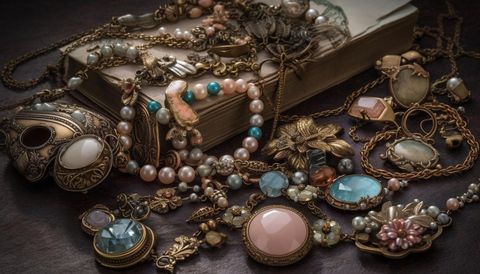
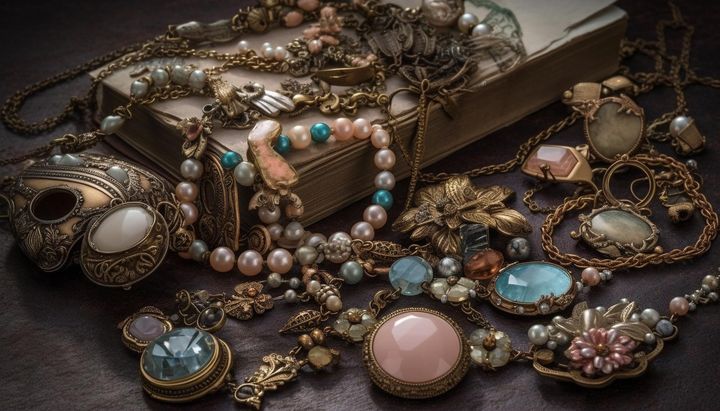
Antique and luxury jewelry represents some of the most admired forms of wearable art. These pieces combine craftsmanship, historical significance, precious materials, and cultural heritage. Antique jewelry generally refers to pieces that are at least 100 years old, while luxury jewelry includes high-end creations made from precious metals and gemstones by renowned jewelry houses.
Understanding Antique and Luxury Jewelry
Jewelry has existed for thousands of years across civilizations. Ancient societies used jewelry as symbols of status, spirituality, wealth, and personal expression. Over time, jewelry design evolved through different artistic periods, creating unique styles that collectors and enthusiasts continue to study today.
Today, interest in antique jewelry appraisal, vintage jewelry value, and rare antique jewelry continues to grow because these pieces often reflect exceptional craftsmanship that is difficult to replicate using modern manufacturing techniques.
Why Antique and Luxury Jewelry Matters Today
Antique and luxury jewelry remains relevant for several reasons. Collectors, historians, museums, and jewelry enthusiasts view these items as cultural artifacts as well as decorative objects.
The topic affects:
- Jewelry collectors
- Historians and researchers
- Gemologists
- Auction specialists
- Estate planners
- Insurance professionals
Some important challenges addressed by modern jewelry evaluation include authentication, provenance verification, gemstone identification, and accurate valuation.
Many people seek information about jewelry valuation services, certified diamond jewelry, and vintage diamond jewelry to better understand the historical significance and characteristics of inherited or collected pieces.
Major Types of Antique and Luxury Jewelry
Different categories help identify jewelry based on age, design style, and materials.
| Type | Typical Period | Key Characteristics |
|---|---|---|
| Georgian Jewelry | 1714–1837 | Handcrafted designs, foil-backed gemstones |
| Victorian Jewelry | 1837–1901 | Romantic motifs, intricate metalwork |
| Edwardian Jewelry | 1901–1915 | Platinum settings, lace-like designs |
| Art Nouveau Jewelry | 1890–1910 | Nature-inspired artistic designs |
| Art Deco Jewelry | 1920s–1930s | Geometric patterns and symmetry |
| Retro Jewelry | 1940s–1950s | Bold designs and large gemstones |
| Contemporary Luxury Jewelry | Modern Era | Advanced craftsmanship and innovative designs |
Additional specialized categories include:
- Antique diamond rings
- Antique engagement rings
- Rare gemstone jewelry
- Vintage brooches
- Luxury watches with gemstone settings
- Estate jewelry collections
- High-jewelry masterpieces
Benefits and Applications of Antique and Luxury Jewelry
Antique and luxury jewelry offers value beyond appearance. Many pieces serve educational, historical, and cultural purposes.
Historical Preservation
Antique jewelry preserves artistic traditions from different periods. It provides insight into historical fashion, manufacturing techniques, and social customs.
Educational Research
Museums and academic institutions use jewelry collections to study economic history, trade routes, metallurgy, and gemstone sourcing practices.
Craftsmanship Appreciation
Many antique pieces showcase hand-finishing techniques and intricate detailing that highlight the skills of historical artisans.
Cultural Heritage
Jewelry often reflects regional traditions, royal influences, and important historical events.
Collection Development
Collectors use authentication and valuation methods to document and preserve significant jewelry pieces for future generations.
Leading Companies in the Antique and Luxury Jewelry Industry
Several globally recognized organizations have played important roles in luxury jewelry and gemstone expertise.
| Company | Primary Area |
|---|---|
| Cartier | Luxury jewelry and watches |
| Tiffany & Co. | Diamond jewelry and luxury collections |
| Van Cleef & Arpels | High jewelry craftsmanship |
| Bulgari | Colored gemstone jewelry |
| Harry Winston | Exceptional diamond jewelry |
These companies are widely recognized for craftsmanship, design innovation, gemstone expertise, and historical influence within the luxury jewelry industry.
Recent Updates and Industry Trends
The antique and luxury jewelry sector has experienced several notable developments during the past year.
Increased Interest in Sustainability (2025–2026)
Collectors and industry professionals have shown growing interest in documenting gemstone origins, ethical sourcing practices, and transparent supply chains.
Growth of Digital Authentication
Advanced imaging technologies, blockchain documentation systems, and digital certificates are increasingly being explored for recording ownership histories and gemstone information.
Rising Demand for Vintage Pieces
Industry reports throughout 2025 indicated continued interest in vintage and historical jewelry designs, particularly Art Deco and Edwardian styles.
Laboratory Analysis Improvements
Modern gemological laboratories have expanded testing capabilities, helping experts distinguish natural gemstones from synthetic or treated materials with greater precision.
Greater Use of Artificial Intelligence
AI-assisted image analysis tools are being tested to support identification of hallmarks, gemstone characteristics, and design patterns associated with historical periods.
Jewelry Authentication Process
Authentication is one of the most important aspects of antique and luxury jewelry evaluation.
The following factors are commonly examined:
| Authentication Factor | Purpose |
|---|---|
| Hallmarks | Identify maker and metal content |
| Provenance Records | Verify ownership history |
| Gemstone Analysis | Confirm gemstone characteristics |
| Metal Testing | Determine purity and composition |
| Design Evaluation | Match style with historical period |
| Condition Assessment | Document preservation status |
Experts often combine multiple methods before determining authenticity.
Laws, Regulations, and Policies Affecting Jewelry
The jewelry industry is influenced by various regulations that help ensure transparency and consumer protection.
Precious Metal Standards
Many countries regulate gold, silver, platinum, and palladium purity through hallmarking systems and testing requirements.
Gemstone Disclosure Rules
Regulations often require disclosure of gemstone treatments, enhancements, synthetic origins, and composite materials.
Cultural Heritage Protection
Some antique jewelry pieces may fall under cultural heritage laws that restrict export or require documentation for international movement.
Anti-Money Laundering Compliance
Luxury goods industries, including jewelry, may be subject to reporting and verification requirements intended to prevent financial crimes.
International Trade Requirements
Cross-border movement of gemstones and precious metals may involve customs declarations, origin documentation, and import regulations.
Because regulations differ by country and can change over time, individuals should consult official government resources and qualified professionals for current requirements.
Tools and Resources for Jewelry Research
Several resources can help individuals learn more about antique and luxury jewelry.
Gemological Organizations
- Gemological Institute of America
- International Gemological Institute
- American Gem Society
Helpful Digital Resources
- Jewelry hallmark databases
- Auction archive platforms
- Gemstone identification guides
- Historical jewelry reference libraries
- Museum collection databases
Research Templates
Useful documentation templates include:
- Collection inventory records
- Provenance tracking sheets
- Authentication checklists
- Condition assessment forms
- Jewelry valuation worksheets
Antique Jewelry Evaluation Framework
The following chart illustrates common factors influencing evaluation.
| Factor | Relative Importance |
|---|---|
| Authenticity | Very High |
| Historical Significance | High |
| Gemstone Quality | High |
| Craftsmanship | High |
| Provenance | Medium to High |
| Condition | Medium |
| Rarity | Very High |
Illustrative Value Framework
Authenticity      ██████████
Rarity            ██████████
Gemstone Quality  █████████
Craftsmanship     █████████
History           ████████
Condition         ██████
This framework is educational and may vary depending on the specific piece.
Frequently Asked Questions
What is considered antique jewelry?
Jewelry is generally classified as antique when it is at least 100 years old. Pieces younger than that may be categorized as vintage depending on their age and style.
How is vintage jewelry value determined?
Experts typically evaluate authenticity, rarity, craftsmanship, gemstone quality, provenance, historical significance, and overall condition when assessing vintage jewelry value.
What makes antique engagement rings unique?
Antique engagement rings often feature handcrafted settings, period-specific design elements, and historical production techniques that distinguish them from modern rings.
Why is certified diamond jewelry important?
Certified diamond jewelry includes documentation from recognized gemological laboratories, providing information about gemstone characteristics and grading.
How can rare gemstone jewelry be authenticated?
Authentication generally involves laboratory testing, gemstone analysis, metal examination, hallmark research, and verification of historical documentation.
Conclusion
Antique and luxury jewelry represents a fascinating combination of artistry, history, craftsmanship, and cultural heritage. From rare antique jewelry and antique diamond rings to vintage diamond jewelry and rare gemstone jewelry, these pieces offer valuable insights into the traditions and techniques of different eras.
Understanding authentication methods, valuation principles, regulatory considerations, and modern industry trends helps collectors, researchers, and enthusiasts make informed decisions when studying these remarkable objects. As technology continues to improve authentication and documentation practices, interest in antique and luxury jewelry is likely to remain strong among both scholars and collectors.
Informational Disclaimer: Any references to jewelry values, appraisals, valuations, or market trends are educational estimates only. Actual assessments depend on authenticity, condition, rarity, provenance, gemstone characteristics, market conditions, and professional examination. Always consult qualified gemological and valuation experts for specific evaluations.