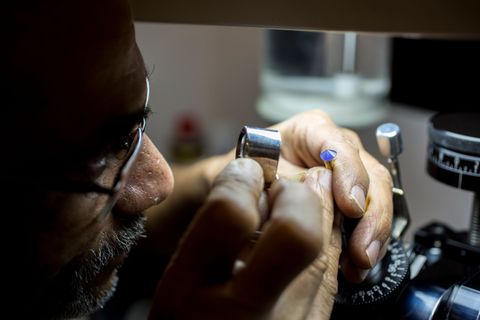
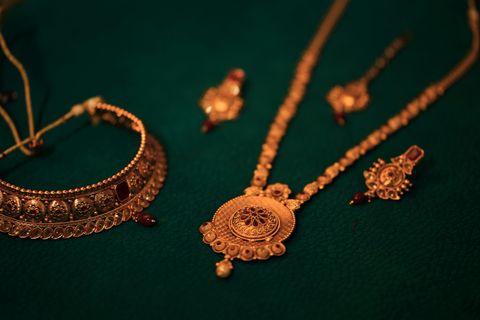
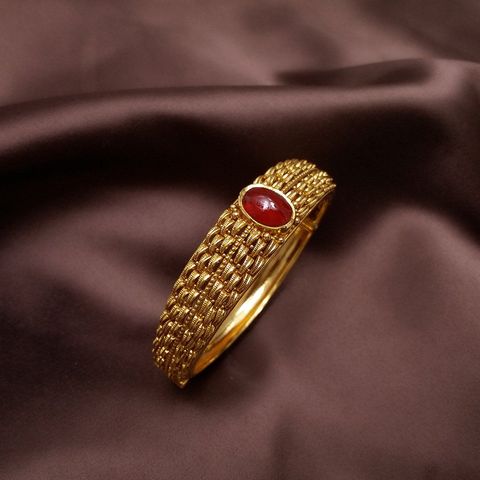
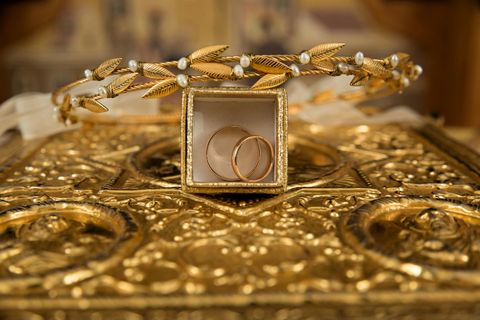
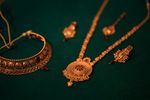
In many cultures, jewellery plays a role in traditions and ceremonies. For example, certain pieces are worn during weddings, religious events, or festivals. Over time, jewellery has evolved from handcrafted pieces to technologically advanced designs using precision tools and innovative materials.
Today, jewellery is also connected to broader topics such as luxury goods insights, precious metal investment knowledge, and gemstone certification awareness, making it a subject of both artistic and educational interest.
Importance – Why Jewellery Matters Today
Jewellery continues to be relevant in modern society for several reasons. It influences cultural practices, fashion trends, and even financial planning.
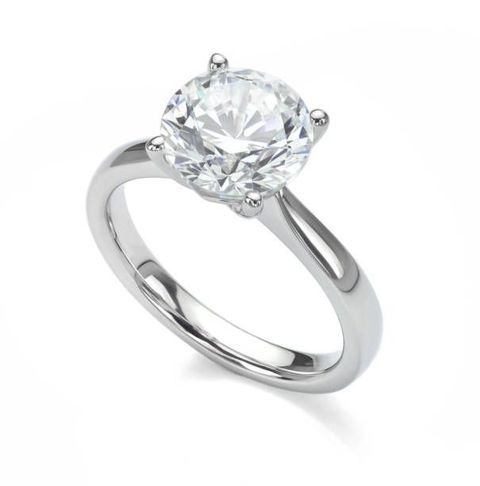
One key aspect is identity and expression. People use jewellery to express personal style, beliefs, or milestones. For example, engagement rings or heirloom pieces often carry emotional significance.
Another important factor is its connection to gold investment insights and precious metals market trends. Gold and silver jewellery often act as a store of value, especially in countries like India, where gold is deeply tied to financial security and tradition.
Jewellery also supports various industries, including mining, design, retail, and certification. It affects:
-
Designers and artisans creating unique pieces
-
Consumers seeking durable and meaningful accessories
-
Investors tracking gold price trends and gemstone valuation insights
-
Regulators ensuring quality and authenticity
In addition, jewellery helps address problems such as counterfeit products by encouraging awareness of certification systems and quality standards.
Recent Updates – Trends and Developments (2025–2026)
The jewellery industry has seen notable changes in the past year, driven by technology, sustainability, and consumer preferences.
One major trend is the rise of lab-grown diamonds insights. These diamonds are created using advanced technology and have gained popularity due to their environmental considerations. As of 2025, many global markets reported increased acceptance of lab-grown alternatives.
Another update is the growing demand for sustainable and ethical jewellery. Consumers are paying more attention to sourcing practices, including conflict-free diamonds and recycled metals. This shift aligns with global sustainability goals.
Digital transformation has also influenced jewellery design and purchasing behavior. Tools such as augmented reality (AR) are being used for virtual try-ons, while blockchain technology is being explored for tracking gemstone origins.
The table below highlights key trends:
| Trend (2025–2026) | Description |
|---|
| Lab-grown diamonds | Technologically created stones gaining acceptance |
| Sustainable jewellery | Focus on ethical sourcing and eco-friendly materials |
| Digital customization | Use of software for personalized designs |
| Lightweight designs | Minimalist styles becoming popular |
| Smart jewellery | Integration with wearable technology |
These developments show how jewellery is evolving beyond tradition into a technology-driven and sustainability-focused industry.
Laws or Policies – Regulations and Standards in India
Jewellery in India is regulated to ensure quality, transparency, and consumer protection. One of the most important regulations is gold hallmarking.
The Bureau of Indian Standards (BIS) has made hallmarking mandatory for gold jewellery in many categories. This ensures that the purity of gold is verified and standardized. Hallmarking includes details such as purity level, jeweller identification, and certification marks.
Key regulatory aspects include:
-
Mandatory BIS hallmarking for gold jewellery (expanded in phases since 2021)
-
Regulation of imports and exports of precious metals
-
Guidelines for gemstone certification and disclosure
-
Consumer protection laws against misrepresentation
In addition, taxation policies such as GST apply to jewellery transactions, impacting pricing transparency and documentation.
These regulations help address issues like counterfeit jewellery, incorrect purity claims, and lack of standardization.
Tools and Resources – Helpful Platforms and Utilities
Several tools and resources can help individuals understand jewellery better, evaluate quality, and stay informed about trends.
Commonly used resources include:
-
Jewellery hallmark verification tools (BIS official portal)
-
Gold rate tracking websites for live gold price insights
-
Gemstone certification labs providing authenticity reports
-
Design software for custom jewellery visualization
-
Educational websites offering gemology courses online
Below is a simple comparison table of useful resources:
| Resource Type | Purpose |
|---|
| Hallmark verification | Check gold purity and authenticity |
| Gold price trackers | Monitor daily price fluctuations |
| Gem certification labs | Validate gemstones and diamonds |
| Design tools | Create and visualize custom jewellery |
| Learning platforms | Study jewellery design and gemology |
These tools improve transparency and help individuals make informed decisions while learning about jewellery.FAQs – Common Questions About Jewellery
What is hallmark jewellery?
Hallmark jewellery refers to items that have been officially tested and certified for metal purity. In India, BIS hallmarking ensures that gold jewellery meets specific standards.
What are lab-grown diamonds?
Lab-grown diamonds are created using scientific processes that replicate natural diamond formation. They have similar physical and chemical properties to natural diamonds.
How can jewellery authenticity be verified?
Authenticity can be checked through hallmark stamps, certification documents, and verification tools provided by regulatory authorities or certified labs.
Why is gold considered important in jewellery?
Gold is valued for its durability, resistance to corrosion, and cultural significance. It is also associated with precious metal investment strategies.
What are the latest jewellery trends?
Recent trends include minimalist designs, sustainable materials, lab-grown diamonds, and digital customization tools.
Conclusion
Jewellery is more than a decorative accessory; it is a blend of culture, craftsmanship, and evolving technology. From traditional gold ornaments to modern lab-grown diamonds, the industry continues to adapt to changing consumer preferences and global trends.
Understanding jewellery involves learning about materials, certification standards, and market developments. Regulations such as BIS hallmarking in India play a crucial role in ensuring quality and trust. At the same time, digital tools and educational resources make it easier for individuals to explore and understand jewellery in depth.
As trends continue to shift toward sustainability and innovation, jewellery remains an important part of personal expression and cultural heritage. Staying informed about its basics, updates, and resources helps individuals make knowledgeable and responsible choices