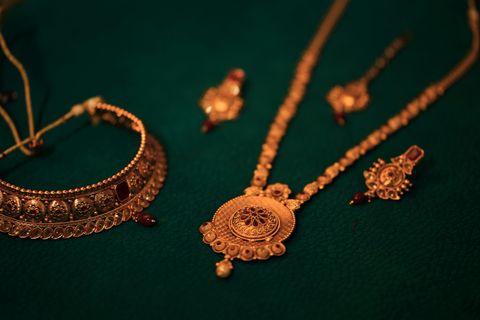
Handmade and Artisan Jewellery Platforms Online in 2026: Marketplace Features, Seller Insights, and Craft Industry Trends
The handmade and artisan jewellery industry has experienced significant growth alongside the expansion of digital commerce. Online marketplaces have enabled independent creators, small businesses, and craft professionals to reach broader audiences while showcasing unique jewellery designs and handcrafted products.
Unlike traditional mass-produced jewellery channels, artisan marketplaces often emphasize craftsmanship, creativity, customization, and small-scale production. These platforms connect buyers and sellers through digital storefronts, product catalogs, communication tools, and secure transaction systems.
This article explores online artisan jewellery platforms, marketplace features, seller tools, and industry trends from an educational perspective without recommending any specific marketplace, seller, or jewellery product.
What Is Artisan Jewellery?
Artisan jewellery generally refers to jewellery created through skilled craftsmanship and creative design processes.
Common characteristics may include:
- Handcrafted production
- Small-batch manufacturing
- Custom designs
- Creative techniques
- Unique materials
- Independent craftsmanship
Production methods and design approaches vary among creators and businesses.
Growth of Online Jewellery Marketplaces
Digital commerce has transformed how handmade products are marketed and sold.
Factors contributing to marketplace growth include:
- Global audience access
- E-commerce technologies
- Digital payment systems
- Mobile shopping adoption
- Social media visibility
- Cross-border commerce opportunities
These developments have expanded opportunities for independent jewellery creators.
How Online Artisan Marketplaces Work
Most online marketplaces operate by connecting sellers and buyers through a centralized digital platform.
Typical marketplace functions include:
- Seller storefronts
- Product listings
- Search and discovery tools
- Order management systems
- Customer communication features
- Payment processing solutions
Marketplace structures vary according to business models and platform objectives.
Common Marketplace Features
Modern artisan marketplaces often include various tools to support sellers and buyers.
Examples include:
- Product catalogs
- Digital storefront customization
- Customer reviews
- Secure checkout systems
- Inventory management tools
- Mobile accessibility
These features help facilitate online commerce activities.
Seller Profiles and Storefronts
Many platforms provide dedicated seller pages where creators can showcase their work.
Common profile features may include:
- Brand descriptions
- Product collections
- Portfolio displays
- Store policies
- Customer engagement tools
- Business information
Seller profiles often serve as digital representations of artisan businesses.
Product Photography and Visual Presentation
Visual content plays an important role in online jewellery marketplaces.
Common elements include:
- Product images
- Lifestyle photography
- Detail views
- Material displays
- Product demonstrations
High-quality visual presentation can help communicate product characteristics and craftsmanship.
Custom and Personalized Jewellery
Many artisan marketplaces support customization features.
Examples include:
- Personalized designs
- Material selections
- Engraving options
- Size variations
- Custom requests
Customization capabilities vary among sellers and marketplace platforms.
Digital Payment Systems
Secure transaction processing is a key component of online marketplaces.
Common payment-related technologies include:
- Digital wallets
- Payment gateways
- Fraud prevention tools
- Transaction security systems
- Multi-currency support
Payment technologies continue evolving alongside e-commerce growth.
Shipping and Fulfillment Considerations
Marketplace operations often include logistics and delivery management features.
Examples include:
- Shipping integrations
- Tracking systems
- International delivery options
- Order management tools
- Fulfillment support services
Shipping capabilities differ across platforms and geographic regions.
Mobile Commerce and Marketplace Accessibility
Mobile devices continue influencing online shopping behavior.
Common mobile commerce features include:
- Mobile applications
- Responsive websites
- Mobile payment integration
- Push notifications
- Product discovery tools
Mobile accessibility remains an important aspect of digital marketplace development.
Sustainability and Ethical Craft Practices
Sustainability has become an important discussion within the jewellery and craft industries.
Areas commonly explored include:
- Responsible sourcing practices
- Recycled materials
- Waste reduction initiatives
- Sustainable packaging
- Ethical production approaches
Practices vary significantly among businesses and creators.
Social Commerce and Creator Communities
Social media platforms increasingly influence artisan marketplace visibility.
Examples include:
- Content sharing
- Community engagement
- Creator storytelling
- Product showcases
- Brand development activities
Social commerce continues shaping consumer discovery patterns.
Technology Trends in the Craft Industry
Digital technologies continue transforming artisan businesses.
Examples include:
- Artificial intelligence tools
- Marketplace analytics
- Inventory automation
- Customer relationship management systems
- E-commerce integrations
Technology adoption continues expanding across creative industries.
Examples of Online Artisan Marketplaces
The global artisan marketplace sector includes numerous platforms that support independent creators and handmade product businesses.
Examples frequently discussed within industry conversations include:
These platforms are mentioned solely as examples of participants within the online artisan marketplace industry. Their inclusion does not constitute endorsements, recommendations, rankings, reviews, comparisons, or purchasing guidance.
Craft Industry Trends in 2026
Several developments continue shaping the artisan jewellery marketplace sector.
Current trends include:
- Growth of personalized products
- Expansion of mobile commerce
- Sustainability-focused business practices
- Social commerce integration
- Cross-border marketplace participation
- Digital creator economies
- Marketplace automation tools
- Enhanced customer engagement technologies
These trends reflect broader developments within e-commerce and creative industries.
Challenges and Opportunities for Sellers
Artisan businesses may encounter both opportunities and challenges within digital marketplaces.
Common discussion topics include:
- Marketplace visibility
- Brand development
- Customer acquisition
- Product differentiation
- International reach
- Digital marketing adaptation
Success factors can vary according to business goals, product categories, and market conditions.
Frequently Asked Questions
What is artisan jewellery?
Artisan jewellery generally refers to jewellery created through skilled craftsmanship, often involving handcrafted or small-scale production methods.
What are online artisan marketplaces?
Online artisan marketplaces are digital platforms that connect creators and sellers with customers interested in handmade and creative products.
Why are seller storefronts important?
Seller storefronts help creators showcase their products, brand identity, and business information within a marketplace environment.
How do digital payment systems support marketplaces?
Payment technologies help facilitate secure transactions between buyers and sellers through online platforms.
What trends are influencing artisan marketplaces in 2026?
Current trends include mobile commerce growth, sustainability initiatives, personalization, social commerce integration, and marketplace technology advancements.
Conclusion
Online handmade and artisan jewellery marketplaces continue creating opportunities for creators, small businesses, and independent craftspeople to connect with global audiences. Through digital storefronts, e-commerce technologies, secure payment systems, and creator-focused tools, these platforms have become important components of the modern craft economy.
As marketplace technologies, mobile commerce, sustainability initiatives, and digital creator ecosystems continue evolving throughout 2026 and beyond, understanding artisan jewellery platforms provides valuable insight into the changing landscape of online commerce and creative entrepreneurship.
Disclaimer
This article is intended solely for informational and educational purposes. It does not provide business, financial, legal, investment, commercial, marketing, jewellery, e-commerce, or professional advice. It does not endorse, recommend, compare, rank, review, promote, or encourage the use of any marketplace, seller, platform, product, or service. Platform names are included only as examples of participants within the online artisan marketplace industry. Readers should conduct independent research and consult qualified professionals regarding marketplace participation, business operations, commercial activities, legal obligations, and purchasing decisions.