Lock Forming Machines Guide for Efficient Metal Production
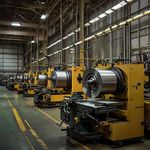
Lock forming machines are industrial systems used in sheet metal production to create seams and locking profiles in metal sheets. These machines are commonly used in industries such as HVAC manufacturing, duct fabrication, construction, automotive production, and industrial engineering. Their primary purpose is to shape sheet metal edges so that two metal sections can connect securely without manual joining methods.
The development of lock forming technology came from the growing demand for faster and more accurate metal fabrication processes. Traditional metal joining methods often required more labor, additional tools, and longer production time. Lock forming systems helped manufacturers improve consistency while reducing material handling challenges.
Today, these machines are part of modern automated manufacturing environments. They are designed to handle different metal thicknesses and can support multiple seam profiles depending on production requirements. As industrial automation continues to expand, lock forming systems are becoming more integrated with digital production workflows and smart factory operations.
Why Lock Forming Machines Matter Today
Modern manufacturing industries depend on precision and efficiency. Lock forming machines help businesses maintain consistent production quality while improving workflow speed. These systems are especially important in large-scale sheet metal operations where accuracy and repeatability are essential.
Industries that commonly use lock forming machines include:
- HVAC duct manufacturing
- Industrial ventilation systems
- Metal roofing production
- Construction engineering
- Automotive component fabrication
- Appliance manufacturing
One major advantage of lock forming systems is their ability to reduce manual alignment errors. Consistent seam formation helps improve the structural reliability of sheet metal assemblies. This is important in applications where air leakage, vibration resistance, or durable metal connections are required.
The growing use of automation in manufacturing has also increased the relevance of these machines. Many facilities now combine lock forming systems with computerized cutting equipment, robotic handling units, and production monitoring software.
The table below highlights how lock forming machines support industrial operations.
| Production Area | Operational Benefit |
|---|---|
| HVAC Fabrication | Improved duct seam consistency |
| Construction Manufacturing | Faster metal assembly |
| Automotive Engineering | Precise component alignment |
| Industrial Ventilation | Reduced leakage risk |
| Metal Roofing Systems | Uniform panel connection |
Another important factor is workplace efficiency. Automated seam forming helps reduce repetitive manual tasks and supports safer production environments. Operators can monitor machine performance while maintaining production quality standards.
Recent Updates and Industry Trends
The lock forming machine industry has experienced several technological improvements over the past year. In 2025 and early 2026, manufacturers increasingly focused on automation, digital monitoring, and energy-efficient machinery.
One major trend is the integration of smart manufacturing technology. Many modern machines now include digital control panels, automated calibration systems, and production tracking features. These additions help operators monitor workflow performance more accurately.
Another important development is the adoption of Industry 4.0 practices. Manufacturing facilities are connecting forming equipment to centralized production systems that collect operational data in real time. This allows production managers to identify maintenance needs, monitor machine efficiency, and reduce downtime.
Key industry trends from 2025–2026 include:
- Increased use of programmable forming controls
- Expansion of automated sheet handling systems
- Greater focus on energy-efficient industrial machinery
- Improved safety sensor integration
- Growth in compact equipment for smaller production facilities
Environmental sustainability has also influenced machine design updates. Manufacturers are improving motor efficiency and reducing material waste during forming operations. These changes support broader industrial sustainability goals.
The graph below shows the rising focus areas in modern sheet metal manufacturing.
| Manufacturing Trend | Industry Growth Focus |
|---|---|
| Automation Integration | Very High |
| Smart Monitoring Systems | High |
| Energy Efficiency | High |
| Compact Machine Design | Moderate |
| Manual Production Methods | Declining |
Digital training systems have also become more common. Some facilities now use virtual machine simulations and touchscreen interfaces to help operators understand production settings and maintenance procedures.
Laws and Industrial Policies
Lock forming machines are affected by industrial safety regulations, manufacturing standards, and workplace compliance policies. Different countries apply different frameworks, but most regulations focus on operator safety, machine performance, and environmental responsibility.
In India, industrial machinery used in manufacturing facilities must follow workplace safety standards under the Factories Act and occupational safety regulations. Production facilities are expected to maintain proper machine guarding, emergency controls, and operator training procedures.
Industrial automation systems may also fall under electrical safety and machinery certification requirements. Facilities using advanced automation equipment often conduct periodic inspections to maintain operational compliance.
Important regulatory areas include:
- Workplace safety standards
- Electrical equipment compliance
- Noise and vibration management
- Industrial waste reduction
- Energy efficiency practices
Many countries also encourage advanced manufacturing through industrial modernization programs. These programs promote automation, digital manufacturing, and productivity improvements across engineering sectors.
Environmental policies are becoming increasingly important in metal fabrication industries. Manufacturers are encouraged to reduce material waste, improve recycling practices, and adopt energy-efficient machinery. Modern lock forming systems often support these goals through precision forming technology and optimized power consumption.
Facilities handling large-scale sheet metal production may also follow air quality and ventilation regulations, especially in enclosed manufacturing environments.
Tools and Resources for Sheet Metal Production
Several digital and industrial resources help operators and production teams manage lock forming operations more effectively. These tools support production planning, equipment monitoring, and maintenance management.
Commonly used resources include:
- Sheet metal design software
- Production planning templates
- Machine maintenance tracking systems
- Industrial safety checklists
- Material thickness calculators
- Workflow monitoring dashboards
- Technical training modules
Design software helps engineers create accurate sheet metal layouts before production begins. This reduces material waste and improves seam alignment during forming operations.
Maintenance tracking systems are also important. Regular equipment inspections help reduce unexpected downtime and improve long-term machine performance.
The table below outlines commonly used resource categories.
| Resource Type | Main Purpose |
|---|---|
| Design Software | Sheet layout planning |
| Maintenance Logs | Equipment monitoring |
| Safety Checklists | Workplace compliance |
| Production Dashboards | Workflow tracking |
| Training Materials | Operator education |
Digital learning platforms are becoming more popular for industrial training. These platforms provide interactive guidance on machine operation, safety procedures, and troubleshooting methods.
Industrial production facilities also use workflow analysis tools to identify bottlenecks and improve operational efficiency. These tools support better coordination between forming, cutting, and assembly processes.
Common Applications of Lock Forming Machines
Lock forming systems are widely used in multiple industrial sectors due to their ability to create secure and consistent seams.
Common applications include:
- Air duct manufacturing
- Rectangular HVAC systems
- Metal cabinet production
- Industrial enclosure fabrication
- Roofing panel connections
- Ventilation channel assembly
In HVAC production, lock seams are critical because they help maintain airflow efficiency while reducing leakage risks. Accurate seam formation also improves the structural strength of ventilation systems.
Construction industries use lock forming equipment to support prefabricated metal structures and roofing systems. Automotive manufacturers may use similar forming technologies for specialized metal components.
As industrial automation expands, these machines continue evolving to support higher production speeds and more advanced manufacturing requirements.
Frequently Asked Questions
What does a lock forming machine do?
A lock forming machine shapes the edges of sheet metal so they can connect securely through formed seams or locking profiles. It is commonly used in HVAC and metal fabrication industries.
Which industries use lock forming machines?
Industries such as HVAC manufacturing, construction, automotive engineering, metal roofing, and industrial ventilation commonly use these systems.
Are lock forming machines automated?
Many modern systems include automated controls, programmable settings, and digital monitoring features that support advanced manufacturing workflows.
Why are lock seams important in sheet metal production?
Lock seams improve structural stability, reduce alignment errors, and help create secure connections between metal sections.
What factors influence machine performance?
Material thickness, forming accuracy, machine calibration, maintenance schedules, and operator training all affect performance quality.
Conclusion
Lock forming machines play an important role in modern sheet metal production. These systems support efficient manufacturing processes by improving seam consistency, reducing manual work, and helping industries maintain accurate production standards.
As industrial automation continues to grow, lock forming technology is evolving with smarter controls, digital monitoring systems, and energy-efficient features. Industries such as HVAC manufacturing, construction engineering, and industrial fabrication increasingly rely on these systems to support reliable and scalable operations.
Government safety regulations, environmental standards, and workplace compliance policies also shape how these machines are designed and operated. Facilities using advanced forming systems must focus on operator safety, maintenance practices, and production efficiency.