Learn SaaS CRM Software: Explanation, Details, and Helpful Resources
SaaS CRM software refers to customer relationship management platforms delivered through cloud infrastructure rather than installed on local systems. These platforms help organizations store customer data, track interactions, automate workflows, and analyze engagement patterns in a centralized environment. The rise of cloud computing and distributed teams created the need for accessible, browser-based tools that support collaboration and data visibility across departments.
Understanding SaaS CRM Software and Its Purpose
Cloud-based CRM software evolved as businesses moved from spreadsheets and isolated databases to scalable systems that can grow with expanding customer bases. The shift to subscription-based software models allowed enterprises and startups alike to manage customer lifecycle data without maintaining complex IT infrastructure. As digital interactions increased across websites, emails, and apps, SaaS CRM software became a structured solution for managing omnichannel customer relationships.
Today, best SaaS CRM platforms integrate marketing, sales, and support functions into a single interface. They rely on secure cloud storage, automated pipelines, and reporting dashboards to maintain consistent records of leads, accounts, and interactions. This integration explains why enterprise SaaS CRM solutions have become foundational for modern digital operations.
Importance – Why SaaS CRM Software Matters Today
SaaS CRM software is important because it supports real-time collaboration, centralized data governance, and scalable automation for growing organizations. It affects technology startups, enterprise firms, SaaS companies, and B2B organizations that depend on ongoing customer engagement and subscription-based revenue models.
The increasing complexity of customer journeys has made CRM software for SaaS companies essential. Businesses now track product usage, subscription renewals, onboarding steps, and support tickets across multiple touchpoints. Without a centralized platform, these insights remain fragmented and difficult to interpret.
Key problems solved by SaaS CRM software include:
-
Disorganized customer records across teams
-
Lack of visibility into sales pipelines and churn risk
-
Manual tracking of customer lifecycle stages
-
Limited insight into marketing and product usage analytics
By addressing these challenges, enterprise SaaS CRM solutions help organizations align customer acquisition, retention, and support strategies within one unified framework.
Types – Different Categories of SaaS CRM Software
There are several types of SaaS CRM software, each designed to meet specific business objectives and operational workflows. Understanding these types helps organizations choose tools that align with their engagement strategies.
Operational CRM platforms focus on managing day-to-day customer interactions, including lead management, email tracking, and task automation. These tools streamline routine processes and maintain consistent customer records across departments.
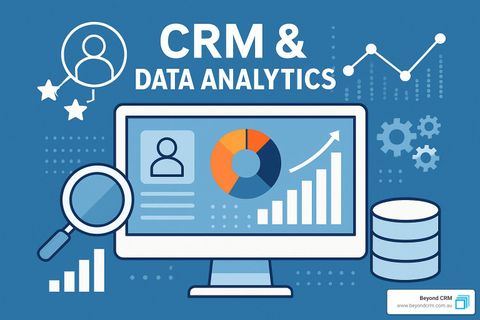
Analytical CRM solutions emphasize data interpretation and reporting. SaaS CRM analytics tools collect behavioral data, measure engagement patterns, and generate dashboards that support data-driven decisions.
Collaborative CRM systems enhance communication between marketing, sales, and support teams. These systems synchronize customer profiles and conversation histories so that all departments work with the same information.
Strategic CRM platforms are designed for long-term customer lifecycle planning. They combine forecasting, segmentation, and predictive analytics to guide retention strategies and customer experience planning.
Benefits and Applications
SaaS CRM software delivers multiple benefits that extend across operational efficiency, data visibility, and customer experience management. These platforms are widely applied in B2B SaaS CRM software environments where ongoing engagement is critical for subscription renewals and account growth.
Common benefits include:
-
Centralized storage for customer interactions and history
-
Automated workflows for lead tracking and lifecycle management
-
Real-time collaboration across distributed teams
-
Advanced analytics to monitor churn risk and engagement trends
The applications of cloud-based CRM software span various use cases:
-
Subscription lifecycle management for SaaS companies
-
Pipeline tracking and forecasting for sales teams
-
Customer onboarding and retention analytics
-
Support ticket tracking and issue resolution workflows
The following table summarizes typical applications and their business outcomes:
| Application Area | CRM Function | Business Outcome |
|---|---|---|
| Lead Management | Automated lead tracking | Improved conversion insights |
| Subscription Tracking | Renewal and usage monitoring | Better retention visibility |
| Customer Support | Ticket history and workflows | Faster issue resolution |
| Analytics Reporting | Data dashboards and KPIs | Informed strategic planning |
Top 5 Leading Provider Company Names
Several well-known providers develop SaaS CRM software platforms used across industries. These companies offer enterprise SaaS CRM solutions with strong analytics, integration ecosystems, and automation capabilities.
-
Salesforce – Known for scalable cloud-based CRM software with extensive customization and AI-powered analytics.
-
HubSpot – Offers integrated marketing, sales, and support modules designed for inbound engagement workflows.
-
Zoho – Provides modular CRM solutions with strong automation and regional adoption across emerging markets.
-
Microsoft Dynamics 365 – Combines CRM and ERP capabilities with advanced analytics and integration across enterprise tools.
-
SAP – Focuses on enterprise-scale CRM platforms with strong data governance and process orchestration features.
These providers continuously update their platforms to address evolving data privacy standards, AI-driven analytics, and multi-channel customer engagement requirements.
Recent Updates – Changes and Trends in the Past Year
In 2025, several trends reshaped SaaS CRM software development and adoption patterns. Many platforms introduced generative AI features to automate email summaries, predict churn risks, and personalize engagement recommendations. These updates were introduced across multiple releases throughout 2025, reflecting the industry’s move toward AI-assisted CRM automation for SaaS.
Another significant trend in late 2024 and early 2025 involved deeper integration between CRM systems and product analytics tools. This change allows SaaS companies to track feature usage directly inside CRM dashboards, creating more accurate customer lifecycle insights.
Data privacy and regional hosting options also expanded during 2025 as organizations adapted to stricter compliance requirements across different countries. Providers increased their focus on encryption, audit logs, and role-based access controls to meet evolving regulatory expectations.
Overall, the past year highlighted three major shifts:
-
Increased adoption of AI-driven SaaS CRM analytics tools (2025 releases)
-
Expanded integrations with product usage and customer success platforms (2024–2025 updates)
-
Stronger emphasis on privacy controls and regional data hosting options (2025 compliance updates)
Laws or Policies – Regulatory Impact on SaaS CRM Software
SaaS CRM software is influenced by various national and international regulations that govern data protection, digital transactions, and electronic records management. These policies ensure that customer data is handled responsibly and stored securely in cloud environments.
In India, SaaS CRM platforms must comply with the Digital Personal Data Protection Act (DPDP Act, 2023), which outlines rules for collecting, storing, and processing personal information. The law emphasizes user consent, data minimization, and secure processing standards, affecting how CRM software manages customer profiles and communication histories.
Global organizations using cloud-based CRM software also consider international regulations such as the General Data Protection Regulation (GDPR) in Europe. These frameworks influence encryption practices, audit trails, and cross-border data transfer mechanisms.
Government programs promoting digital transformation further encourage CRM adoption. Initiatives that support cloud computing infrastructure and digital recordkeeping indirectly accelerate the use of enterprise SaaS CRM solutions across industries.
Tools and Resources – Helpful Platforms and Learning Aids
Organizations exploring SaaS CRM software can use various tools and resources to evaluate platforms, measure performance, and optimize customer lifecycle strategies.
Helpful tools include:
-
CRM comparison dashboards for evaluating features and integration capabilities
-
Workflow automation templates for managing leads and onboarding stages
-
Customer segmentation calculators to analyze engagement behavior
-
Data visualization tools that convert CRM metrics into actionable insights
Below is a simple overview of useful resource categories:
| Resource Type | Purpose | Example Use |
|---|---|---|
| CRM Evaluation Checklists | Compare features and integrations | Selecting best SaaS CRM platforms |
| Workflow Templates | Standardize customer lifecycle steps | Managing onboarding pipelines |
| Analytics Dashboards | Monitor engagement and churn signals | Tracking subscription health |
| Knowledge Portals | Learn CRM automation best practices | Understanding SaaS lifecycle models |
These resources support better planning and help teams align CRM adoption with long-term customer engagement strategies.
FAQs – Common Questions About SaaS CRM Software
What is SaaS CRM software used for?
SaaS CRM software is used to manage customer data, track interactions, automate workflows, and analyze engagement patterns through cloud-based platforms.
How is cloud-based CRM software different from traditional CRM systems?
Cloud-based CRM software operates through web browsers and remote servers, while traditional systems rely on on-premise installations and manual updates.
Why do SaaS companies rely on CRM automation tools?
CRM automation for SaaS helps track subscription lifecycles, manage onboarding processes, and monitor customer usage data for retention insights.
Are SaaS CRM analytics tools important for decision-making?
Yes, these tools provide dashboards and predictive metrics that guide strategic planning, customer segmentation, and churn risk assessment.
Can enterprise SaaS CRM solutions support multiple departments?
Yes, enterprise platforms integrate marketing, sales, and support workflows into a single system, enabling cross-team collaboration and unified reporting.
Conclusion
SaaS CRM software has become a central component of modern digital operations, enabling organizations to manage customer relationships through scalable cloud-based systems. By centralizing data, automating workflows, and providing advanced analytics, these platforms address the challenges of fragmented information and complex customer journeys.
Different types of CRM systems—operational, analytical, collaborative, and strategic—serve distinct roles within the customer lifecycle. Their benefits extend across lead management, subscription tracking, and engagement analytics, making them essential for B2B SaaS CRM software environments.
Recent developments in AI-driven automation, integration with product analytics, and stronger privacy compliance measures highlight the evolving nature of this technology. Regulations such as India’s DPDP Act and global data protection frameworks continue to shape how CRM platforms handle customer information responsibly.
With a wide range of tools, templates, and knowledge resources available, organizations can better evaluate best SaaS CRM platforms and align them with long-term lifecycle management goals. This educational overview emphasizes clarity, transparency, and responsible adoption, ensuring that SaaS CRM software remains a foundational element of data-driven customer engagement strategies.
Informational Disclaimer: Any references to pricing, packages, or implementation scales are informational estimates only and may vary depending on organizational size, integration complexity, and deployment configuration.