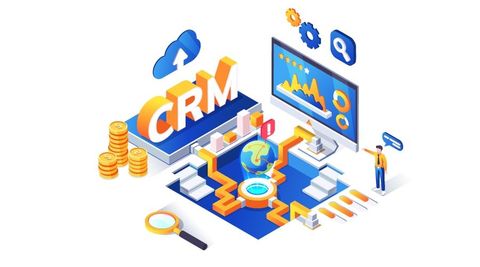
When combined, CRM software platforms and marketing automation software create a unified environment for customer data management and campaign coordination. Instead of keeping sales pipeline management separate from email marketing automation, organizations integrate both into a single system.
This integrated approach exists because modern customer journeys are complex. Individuals interact through websites, social platforms, mobile applications, and support channels. A central database supported by workflow automation tools helps track these interactions and align communication strategies.
CRM with marketing automation is widely adopted in sectors such as technology, education, healthcare administration, finance, and e-commerce. It supports structured lead management systems and improves customer lifecycle management without relying on manual spreadsheets or fragmented databases.
Why CRM with Marketing Automation Matters Today
Digital transformation has increased the volume of customer data. Businesses now collect information from website forms, social media interactions, and online transactions. Without structured systems, this data becomes difficult to manage.
CRM software platforms address this challenge by organizing records, while marketing automation software ensures consistent communication.
Key benefits include:
-
Improved customer engagement analytics
-
Centralized customer data management
-
Automated lead nurturing sequences
-
Enhanced reporting dashboards
-
Structured omnichannel marketing strategy
The following table highlights common business challenges and how integrated CRM and automation tools respond:
| Common Challenge | CRM with Automation Response |
|---|
| Scattered customer information | Unified customer database |
| Delayed follow-up communication | Automated email and workflow triggers |
| Limited performance visibility | Real-time analytics dashboards |
| Manual reporting | Automated campaign and pipeline reports |
| Inconsistent messaging | Centralized content and segmentation control |
This system particularly benefits:
-
Small and medium enterprises seeking structured growth
-
Large enterprises managing global customer bases
-
Marketing teams tracking campaign metrics
-
Sales teams monitoring opportunity stages
-
Compliance teams overseeing data governance
By integrating data privacy compliance features and analytics, CRM with marketing automation helps organizations align operational efficiency with regulatory expectations.
Recent Updates and Trends in 2025
Over the past year, several developments have influenced CRM and marketing automation software.
Artificial intelligence integration expanded significantly in 2025. Platforms such as Salesforce and HubSpot enhanced predictive analytics features to improve lead scoring and behavioral insights. AI-driven dashboards now support automated segmentation and personalized communication flows.
Another major trend is deeper integration with collaboration tools. Systems increasingly connect with platforms like Microsoft Teams and Google Workspace to streamline internal communication and reporting.
Data security also became a focus in 2025. Several CRM providers updated encryption standards and multi-factor authentication requirements in response to global cybersecurity incidents reported in early 2025. This led to expanded compliance monitoring dashboards within enterprise SaaS CRM solutions.
Additional notable trends include:
-
Growth of cloud-based SaaS CRM solutions
-
Increased use of customer engagement analytics powered by machine learning
-
Expansion of API connectivity for omnichannel marketing strategy
-
Greater emphasis on first-party data collection
The following simplified text graph illustrates the rising adoption trend of cloud CRM systems:
Adoption Trend (Illustrative)
2019: ███
2021: █████
2023: ███████
2025: ██████████
This steady increase reflects the broader shift toward digital infrastructure and workflow automation tools.
Laws and Policies Influencing CRM Systems
CRM with marketing automation operates within data protection and digital communication regulations. These frameworks aim to safeguard personal information and ensure transparency.
One significant regulation is the General Data Protection Regulation (GDPR), which governs how organizations collect, store, and process personal data within the European Union. It requires clear consent mechanisms, data access rights, and secure storage standards.
In the United States, the California Consumer Privacy Act (CCPA) establishes rules for consumer data access and disclosure transparency. CRM platforms serving global users often incorporate built-in consent management and reporting tools to align with such frameworks.
Email marketing automation must also comply with electronic communication regulations, such as opt-in consent and unsubscribe mechanisms. Many CRM software platforms integrate compliance dashboards to monitor these requirements.
Organizations typically implement:
-
Consent tracking logs
-
Data encryption protocols
-
Access control permissions
-
Automated data retention policies
-
Audit trail documentation
Regulatory oversight encourages responsible customer data management and strengthens trust in digital ecosystems.
Tools and Resources for CRM with Marketing Automation
Several established platforms provide integrated CRM and marketing automation capabilities.
-
Salesforce: Advanced enterprise CRM with predictive analytics and workflow automation tools
-
HubSpot: Integrated CRM and inbound marketing automation platform
-
Zoho CRM: Modular SaaS CRM solutions for small and medium organizations
-
Microsoft Dynamics 365: Enterprise-level CRM integrated with productivity applications
-
Mailchimp: Email marketing automation with audience segmentation features
Additional helpful resources include:
-
Customer journey mapping templates
-
Data privacy compliance checklists
-
ROI tracking calculators for campaign measurement
-
CRM implementation planning guides
-
Analytics dashboard configuration tutorials
The comparison table below highlights selected platform characteristics:
| Platform | Core Focus | AI Features | Cloud-Based |
|---|
| Salesforce | Enterprise CRM ecosystem | Yes | Yes |
| HubSpot | Marketing + CRM integration | Yes | Yes |
| Zoho CRM | Scalable modular CRM | Yes | Yes |
| Microsoft Dynamics 365 | Integrated business platform | Yes | Yes |
| Mailchimp | Email automation + analytics | Limited | Yes |
Selecting tools typically depends on organizational size, data structure complexity, integration needs, and compliance requirements.
Frequently Asked Questions
What is the difference between CRM and marketing automation?
CRM focuses on storing and managing customer data, tracking interactions, and supporting sales pipeline management. Marketing automation centers on automating campaigns, segmentation, and communication workflows. When integrated, they create a unified customer engagement analytics system.
Is CRM with marketing automation suitable for small organizations?
Yes. Many SaaS CRM solutions offer scalable modules. Small organizations can begin with basic lead management systems and gradually expand automation capabilities.
Are these systems secure?
Modern platforms include encryption, role-based access controls, and compliance monitoring aligned with regulations such as GDPR and CCPA. Security features vary by provider.
What metrics are commonly tracked?
Typical metrics include lead conversion rates, email engagement analytics, pipeline progression, customer retention rates, and campaign performance indicators.
Conclusion
CRM with marketing automation represents a structured approach to managing digital relationships. By combining customer data management with workflow automation tools, organizations improve visibility, efficiency, and engagement consistency.
Recent technological developments, particularly artificial intelligence integration in 2025, have expanded predictive analytics and automation precision. At the same time, regulatory frameworks such as GDPR and CCPA emphasize responsible data governance.
As digital ecosystems continue to evolve, integrated CRM software platforms and marketing automation software remain essential for organizations seeking transparent communication, accurate reporting, and long-term customer lifecycle management.
This guide provides a neutral and educational overview designed to clarify the fundamentals, highlight current trends, and outline regulatory considerations without promotional claims.