The concept evolved as property portfolios expanded and deal structures became more complex. Traditional spreadsheets and email threads were insufficient for tracking multi-year lease agreements, property valuations, investor reports, and prospect engagement. A Real Estate CRM Platform centralizes this information into a structured database.
Can CRM systems int
Today, Enterprise CRM Platforms for commercial property integrate pipeline automation, document storage, reporting dashboards, analytics tools, and compliance tracking. These systems aim to organize data, improve transparency, and maintain consistent communication workflows.
Why Commercial Real Estate CRM Matters Today
The commercial property sector involves multiple stakeholders including brokers, asset managers, property managers, legal advisors, and investors. Managing these interactions manually increases operational risk and data fragmentation.
A Commercial Real Estate CRM helps address several challenges:
-
Centralized tenant and investor database
-
Structured lease lifecycle tracking
-
Automated follow-up reminders
-
Data-driven performance reporting
-
Secure document management
The growing complexity of global property markets has increased the need for CRM Analytics Dashboards that provide real-time insights. Market volatility, evolving lease structures, and regulatory oversight require better visibility into occupancy rates, asset performance, and client interactions.
Professionals using a Lead Management System tailored for commercial property can monitor inquiries, track communication history, and maintain consistent documentation. This reduces duplication of effort and improves operational clarity.
In large portfolios, Property Management CRM tools also help coordinate maintenance logs, compliance documentation, and contract milestones.
Recent Updates and Industry Trends (2025–2026)
Over the past year, several developments have influenced Commercial Real Estate CRM systems globally.
Artificial Intelligence Integration (2025)
CRM vendors increasingly incorporate predictive analytics and AI-driven forecasting. These tools analyze historical leasing patterns and market conditions to project occupancy trends and potential risk exposure.
Enhanced Data Privacy Features (Mid-2025 Updates)
Following global regulatory enforcement actions in 2025, many CRM providers updated encryption standards, multi-factor authentication features, and audit trail systems to align with international privacy frameworks.
Cloud Infrastructure Expansion (2025)
Cloud-based Real Estate CRM Software continues to replace on-premise systems. This transition supports remote portfolio management and cross-border collaboration.
API-Based Integration Ecosystems
Modern platforms now integrate with accounting software, valuation tools, digital signature platforms, and marketing automation systems through secure APIs. This ecosystem approach improves data consistency.
Analytics Visualization Improvements
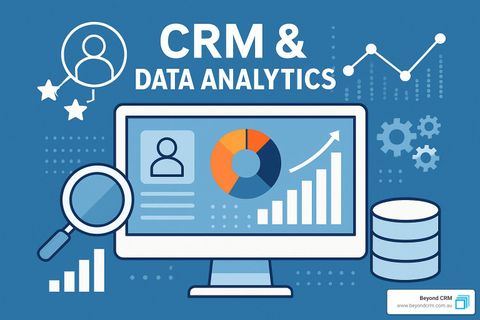
Many systems introduced upgraded CRM Analytics Dashboards with graphical reporting formats. Below is an example of how data may be visualized:
Occupancy Performance Example (Illustrative Data)
| Quarter | Occupancy Rate (%) |
|---|
| Q1 2025 | 88% |
| Q2 2025 | 91% |
| Q3 2025 | 89% |
| Q4 2025 | 93% |
Such visualization tools help asset managers interpret performance fluctuations without relying solely on raw spreadsheets.
Laws, Policies, and Regulatory Considerations
Commercial Real Estate CRM platforms operate within regulatory frameworks that vary by country and region. These systems must accommodate data protection laws, financial reporting requirements, and contract documentation standards.
Key regulatory areas typically include:
Data Protection Regulations
Many jurisdictions enforce strict personal data protection laws requiring encryption, access control, and documented data retention policies.
Financial Reporting Standards
Commercial property investments often require compliance with accounting standards such as IFRS or GAAP frameworks. CRM systems supporting transaction tracking must ensure accurate record-keeping.
Electronic Record Retention Policies
Digital contract storage must comply with electronic record admissibility rules and audit trail standards.
Anti-Money Laundering (AML) Documentation
Investor onboarding processes may require identity verification tracking and documentation logs.
Cross-Border Data Transfer Rules
For multinational property portfolios, CRM providers must address cross-border data storage compliance.
Organizations using Enterprise CRM Platforms should review vendor documentation related to:
-
Data hosting location
-
Encryption protocols
-
User access control hierarchy
-
Audit logs and change history
-
Regulatory reporting export formats
Compliance monitoring remains an ongoing responsibility for portfolio managers and system administrators.
Key Features of Commercial Real Estate CRM Platforms
While features vary by provider, most advanced systems include:
Contact and Stakeholder Database
Centralized directory of tenants, investors, prospects, legal contacts, and partners.
Lease Lifecycle Management
Tracking lease start dates, renewal milestones, rent escalations, and termination notices.
Sales Pipeline Automation
Structured workflow stages for prospect tracking and transaction progression.
Document Repository
Secure storage for contracts, floor plans, compliance certificates, and correspondence.
CRM Analytics Dashboard
Customizable reporting modules for revenue tracking, occupancy analysis, and deal performance.
Task and Communication Tracking
Integrated email logging, reminders, and meeting documentation.
Integration Capabilities
Compatibility with accounting platforms, digital signature tools, and financial reporting systems.
Data Segmentation and Filtering
Advanced search filters for portfolio segmentation by asset type, location, or investment category.
Mobile Accessibility
Cloud-based access across devices for field-based professionals.
Tools and Resources Related to Commercial Real Estate CRM
Several recognized platforms and complementary tools support commercial property operations:
• Salesforce – Enterprise CRM infrastructure adaptable to property workflows
• HubSpot – CRM platform with marketing automation capabilities
• Microsoft Dynamics 365 – Integrated CRM and ERP ecosystem
• Buildout – Marketing and deal management platform for commercial property
• VTS – Leasing and asset management technology
Additional Resources
Financial Modeling Templates
Lease abstraction templates for structured data entry.
CRM Data Migration Checklists
Guides for transferring legacy data into modern platforms.
Compliance Documentation Templates
Standardized forms for investor onboarding and document tracking.
Analytics Configuration Guides
Step-by-step dashboards setup documentation.
Cybersecurity Best Practice Frameworks
Guidelines for multi-factor authentication and secure data management.
Best Practices for Implementation
Implementing a Commercial Real Estate CRM requires planning.
Data Standardization Before Migration
Ensure consistent naming conventions and structured lease data before system transfer.
Role-Based Access Control
Limit system access based on organizational roles.
Regular Data Audits
Schedule quarterly database reviews to remove outdated records.
Dashboard Customization
Align CRM Analytics Dashboard metrics with strategic performance indicators.
User Training Programs
Educate stakeholders on workflow documentation and reporting procedures.
API Integration Planning
Map data flows between accounting, document management, and reporting platforms.
Frequently Asked Questions
What is the difference between general CRM software and Commercial Real Estate CRM?
General CRM systems manage customer interactions across industries, while Commercial Real Estate CRM platforms are tailored for lease tracking, asset management, investor reporting, and portfolio analytics.
Is cloud-based Real Estate CRM Software secure?
Security depends on encryption protocols, access control measures, and compliance certifications. Many modern platforms use advanced encryption and audit logging features to protect sensitive data.
How does CRM Analytics improve portfolio management?
Analytics dashboards provide occupancy tracking, lease renewal forecasts, and transaction reporting. These insights support data-driven decision-making and risk assessment.
egrate with accounting tools?
Many Enterprise CRM Platforms offer API integrations with accounting, valuation, and document-signing systems to maintain synchronized data.
What compliance factors should organizations evaluate?
Key areas include data protection regulations, financial reporting standards, audit trail documentation, and electronic record retention requirements.
Conclusion
Commercial Real Estate CRM platforms play a central role in organizing property portfolios, managing stakeholder communication, and supporting regulatory compliance. As global property markets become more data-driven, structured CRM systems help maintain transparency and operational consistency.
Recent advancements in AI-driven forecasting, cloud infrastructure, API integration, and enhanced cybersecurity features reflect the sector’s evolving needs. At the same time, regulatory oversight continues to shape how these platforms manage data and documentation.
By understanding features, compliance considerations, and implementation best practices, professionals can evaluate CRM systems based on operational suitability and governance requirements. A structured approach to CRM adoption supports improved data visibility, performance monitoring, and portfolio management in commercial real estate environments.