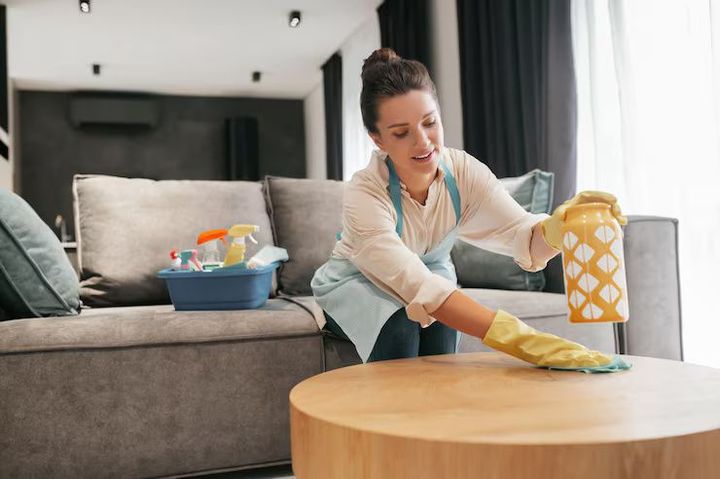
Learn How Home Cleaning Services Function With Insights On Deep Cleaning And Hygiene Care
Keeping a home clean is no longer just about appearance. Today, hygiene, indoor air quality, and healthy living have become major priorities for households around the world. Modern home cleaning methods now focus on deep sanitation, allergen reduction, and advanced hygiene care that supports safer living environments.
As lifestyles become busier, many people are also becoming more aware of the importance of organized and hygienic spaces. From kitchen sanitation to bathroom disinfection and upholstery maintenance, home cleaning practices have evolved significantly over the years.
This guide explains how home cleaning systems function, what deep cleaning actually involves, and why hygiene-focused maintenance is becoming an essential part of modern living.
Understanding The Purpose Of Home Cleaning
Home cleaning is the process of removing dust, bacteria, stains, allergens, and unwanted particles from indoor spaces. While regular cleaning focuses on visible dirt, deep cleaning targets hidden contaminants that accumulate over time.
Many households now prioritize advanced cleaning techniques because indoor environments can affect respiratory health, allergies, and overall comfort. According to several environmental studies, indoor air pollution may sometimes be higher than outdoor pollution due to dust buildup, mold spores, and chemical residue.
This is why hygiene-focused cleaning routines have become increasingly important in apartments, villas, offices, and shared residential spaces.
How Modern Home Cleaning Systems Work
Modern cleaning practices are usually divided into different categories depending on the condition of the property and the type of maintenance required.
Regular Cleaning
Regular cleaning generally includes:
- Sweeping and mopping floors
- Dusting furniture
- Kitchen surface wiping
- Bathroom maintenance
- Trash removal
- Glass and mirror cleaning
This type of cleaning helps maintain everyday hygiene and prevents excessive dirt buildup.
Deep Cleaning
Deep cleaning focuses on areas that are often ignored during routine cleaning. It involves detailed sanitation and intensive dirt removal.
Deep cleaning may include:
- Tile and grout scrubbing
- Mattress sanitization
- Carpet shampooing
- Sofa vacuum extraction
- Kitchen grease removal
- Air vent dust cleaning
- High-touch surface disinfection
This process helps eliminate bacteria, allergens, and stubborn contaminants that affect indoor hygiene.
Hygiene Care And Sanitization
Hygiene care goes beyond visual cleanliness. It focuses on reducing germs, viruses, and harmful microorganisms from surfaces and shared spaces.
Common hygiene-focused cleaning methods include:
- Steam cleaning
- HEPA vacuum filtration
- Antibacterial surface treatment
- Eco-friendly disinfectant application
- Odor neutralization
- Anti-allergen cleaning solutions
These methods are especially useful in homes with children, pets, elderly individuals, or allergy-sensitive residents.
Why Deep Cleaning Matters In Modern Homes
Deep cleaning has become increasingly popular because modern homes contain many hidden dust-trapping materials such as carpets, curtains, upholstered furniture, and mattresses.
Over time, these surfaces collect:
- Dust mites
- Pet hair
- Pollen
- Mold particles
- Food residue
- Bacteria buildup
Without proper maintenance, these contaminants can affect indoor hygiene and air quality.
Many health experts also emphasize the importance of sanitizing high-contact areas like door handles, kitchen counters, bathroom fixtures, and electronic devices to reduce contamination risks.
Key Areas Commonly Included In Deep Cleaning
Kitchen Hygiene Maintenance
The kitchen is one of the most important areas during deep cleaning because grease, moisture, and food particles create an environment where bacteria can grow quickly.
Kitchen deep cleaning often includes:
- Chimney degreasing
- Sink sanitization
- Cabinet cleaning
- Appliance surface treatment
- Tile stain removal
- Countertop disinfection
Clean kitchen environments support healthier food preparation and better hygiene practices.
Bathroom Sanitization
Bathrooms require advanced cleaning because moisture can lead to mold and bacterial buildup.
Important hygiene tasks include:
- Tile descaling
- Toilet disinfection
- Shower area scrubbing
- Drain cleaning
- Mirror polishing
- Mold prevention treatment
Regular bathroom hygiene care helps maintain fresher and healthier indoor conditions.
Upholstery And Carpet Cleaning
Soft furnishings trap dust and allergens more than hard surfaces. Vacuuming alone often cannot remove deep dirt particles embedded inside fabrics.
Advanced cleaning methods may involve:
- Steam extraction
- Foam cleaning
- Hot water extraction
- Dry carpet treatment
- Fabric deodorization
These methods improve cleanliness while also extending the lifespan of household furnishings.
Growing Trends In Smart Home Cleaning
Technology is also changing the cleaning industry. Smart cleaning devices and automated systems are becoming more common in modern households.
Robotic Cleaning Devices
Robotic vacuum cleaners now use smart navigation systems to clean floors automatically. Many models include:
- Wi-Fi connectivity
- Mapping technology
- Scheduled cleaning cycles
- App-based controls
- AI-powered navigation
These devices help maintain daily cleanliness with minimal manual effort.
Eco-Friendly Cleaning Solutions
Sustainable cleaning has become a major global trend. Many households now prefer biodegradable and non-toxic cleaning products because they reduce chemical exposure indoors.
Eco-conscious cleaning methods often use:
- Plant-based disinfectants
- Low-chemical formulas
- Reusable microfiber materials
- Water-efficient steam systems
This approach supports both environmental responsibility and healthier indoor living.
Air Quality Focused Cleaning
Indoor air quality is receiving more attention due to rising concerns about allergies and respiratory health.
Air-focused cleaning techniques may include:
- HEPA air filtration
- Dust control systems
- Air duct cleaning
- Anti-allergen vacuum technology
These methods help reduce airborne particles and improve indoor comfort.
Practical Hygiene Tips For Everyday Living
Maintaining a hygienic home does not always require intensive cleaning every day. Small habits can make a significant difference.
Maintain Ventilation
Fresh airflow helps reduce moisture and prevents mold buildup. Opening windows regularly improves indoor air circulation.
Clean High-Touch Surfaces Frequently
Door handles, light switches, phones, and remote controls often collect germs quickly. Regular sanitization helps reduce contamination.
Use Separate Cleaning Materials
Using different cloths for kitchens and bathrooms minimizes cross-contamination between areas.
Vacuum Upholstery Regularly
Furniture and mattresses collect hidden dust over time. Regular vacuuming helps improve indoor cleanliness.
Avoid Excess Moisture
Wet surfaces can encourage bacterial growth and mold formation. Drying bathroom and kitchen surfaces properly helps maintain hygiene.
The Future Of Home Cleaning And Hygiene Care
The future of home cleaning is becoming more technology-driven, hygiene-focused, and environmentally conscious. Advanced sanitation methods, smart cleaning systems, and healthier indoor living practices are shaping modern household maintenance.
As awareness of indoor hygiene continues to grow, deep cleaning and sanitation are no longer viewed as occasional tasks. They are becoming essential parts of maintaining healthier, safer, and more comfortable living environments.