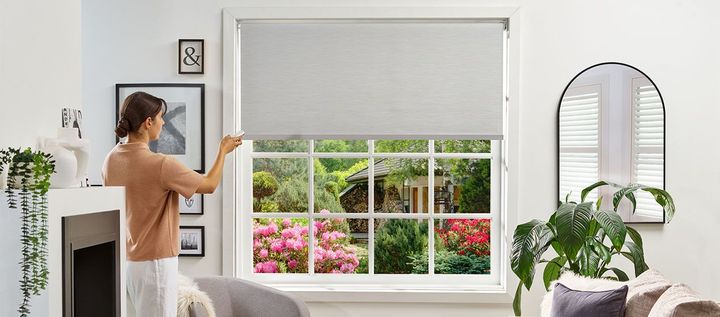
Traditional blinds rely on manual movement, which can be inconvenient for large windows or hard-to-reach areas. Electric blinds address this challenge by using motorized systems connected to a power source such as batteries, wired electricity, or solar panels. Some models also integrate with smart home platforms, enabling automated schedules or voice commands.
In modern building design, automated window systems are increasingly included in smart home planning and energy-efficient architecture. Electric blinds help regulate natural light, reduce glare, and support better indoor temperature management.
Common types of electric blinds include:
Each type offers different aesthetics and functional advantages depending on the room layout and lighting requirements.
| Blind Type | Key Feature | Typical Use Case |
|---|
| Roller Blinds | Smooth vertical rolling motion | Offices, living rooms |
| Venetian Blinds | Adjustable slats for light control | Workspaces, kitchens |
| Vertical Blinds | Side-to-side movement | Large glass doors |
| Roman Blinds | Fabric folding design | Bedrooms and lounges |
These options demonstrate how electric blinds combine traditional window coverings with modern automation technologies.
Why Electric Blinds Are Increasingly Relevant
Automated window coverings have gained attention because of the growing interest in smart buildings and energy efficiency. Electric blinds provide multiple practical advantages that improve everyday living and building performance.
One important benefit is improved energy management. By automatically adjusting based on sunlight or time of day, electric blinds help regulate indoor temperature. This reduces reliance on heating or cooling systems and supports energy-saving building strategies.
Another key advantage is accessibility. Motorized blinds are useful for individuals who have difficulty operating traditional blinds due to mobility limitations. With simple remote or app controls, window adjustments become easier and safer.
Electric blinds also improve light management in spaces that require controlled illumination. Examples include home offices, conference rooms, and media rooms where glare reduction is important.
Additional benefits include:
-
Convenient operation for large or high windows
-
Reduced wear from manual handling
-
Improved privacy management
-
Integration with smart home ecosystems
In modern architecture, electric blinds are frequently included in smart building designs where automation supports comfort, efficiency, and convenience.
A simplified comparison between manual and motorized blinds highlights the difference in functionality.
| Feature | Manual Blinds | Electric Blinds |
|---|
| Operation | Hand-operated | Motorized control |
| Automation | Not available | Scheduled or sensor-based |
| Accessibility | Limited | Highly accessible |
| Smart Home Integration | No | Yes |
Because of these capabilities, electric blinds are becoming more common in residential, commercial, and hospitality environments.
Recent Developments and Technology Trends
Over the past year, several developments have influenced the adoption of electric blinds and automated shading systems.
One notable trend during 2024–2025 has been the integration of blinds with smart home ecosystems. Modern systems now connect with voice assistants, mobile applications, and centralized home automation hubs. This allows users to create routines where blinds adjust automatically at specific times of the day.
Another development is the increased availability of solar-powered motorized blinds. These systems use small photovoltaic panels to recharge internal batteries, reducing the need for wiring or frequent battery replacement.
Manufacturers have also introduced quieter motor technology. Earlier systems sometimes produced noticeable noise during operation, but newer motors focus on silent or low-noise movement to improve user comfort.
Additional technology trends include:
-
Smartphone control through dedicated mobile applications
-
Smart sensors that respond to sunlight intensity
-
Integration with automated climate control systems
-
Energy monitoring features within smart home dashboards
A simplified representation of smart shading automation shows how various technologies work together.
| Component | Function |
|---|
| Light Sensors | Detect sunlight intensity |
| Smart Hub | Connects blinds to home automation |
| Mobile App | Allows remote control and scheduling |
| Motor System | Moves blinds automatically |
These developments show how electric blinds are evolving as part of broader smart building infrastructure.
Regulations and Policy Considerations
Electric blinds are influenced by several regulatory and safety considerations, particularly regarding electrical systems and product safety standards.
In many regions, motorized blinds must comply with electrical safety regulations that ensure motors, wiring, and power systems meet approved standards. These requirements help reduce risks related to overheating, electrical faults, or improper installation.
Another important regulatory aspect involves child safety standards. Traditional blinds with cords have raised safety concerns in the past. Motorized blinds often reduce these risks by eliminating external cords, which aligns with safety guidelines in many markets.
Building regulations may also influence the installation of electric blinds in commercial structures. For example:
-
Electrical wiring must comply with local building codes
-
Smart devices must meet electronic safety certification standards
-
Installation methods must follow structural safety guidelines
In some regions, governments promote energy-efficient building technologies, which indirectly encourages automated shading systems. Electric blinds can support daylight control and reduce energy consumption in climate-controlled environments.
Professionals responsible for building design or facility management typically review these regulations before installing automated shading systems.
Helpful Tools and Digital Resources
Various tools and digital resources help individuals understand and plan electric blind systems more effectively.
Smart home platforms often provide dashboards that allow users to monitor and manage automated window coverings alongside lighting and climate controls.
Useful tools may include:
-
Smart home management apps for automation scheduling
-
Energy monitoring dashboards to track sunlight and indoor climate conditions
-
Window measurement calculators to determine proper blind dimensions
-
Installation planning guides that explain wiring and mounting requirements
These resources help users understand how electric blinds interact with lighting conditions, room size, and automation systems.
A basic example of planning considerations includes:
| Planning Factor | Why It Matters |
|---|
| Window Size | Determines motor strength and blind type |
| Power Source | Battery, wired, or solar systems |
| Control Method | Remote, wall switch, or smartphone |
| Smart Integration | Compatibility with home automation |
Using these tools allows individuals to design automated window systems that match their environment and technology preferences.
Frequently Asked Questions
What powers electric blinds?
Electric blinds typically operate using rechargeable batteries, wired electrical connections, or small solar panels. The motor inside the blind drives the movement when activated by a control system.
Can electric blinds work with smart home technology?
Many modern systems integrate with smart home platforms, allowing scheduling, remote control, or automation based on environmental sensors.
Are electric blinds suitable for large windows?
Motorized blinds are particularly useful for large or tall windows where manual operation can be difficult. The motorized mechanism simplifies adjustments for wide window coverings.
Do electric blinds help with energy efficiency?
Automated blinds can reduce heat gain during sunny periods and help retain warmth during cooler periods. This improves indoor comfort and can support energy-efficient building design.
What factors affect installation planning?
Installation planning usually considers window measurements, power source availability, motor capacity, and compatibility with automation systems.
Conclusion
Electric blinds represent an evolution of traditional window coverings through the use of motorized technology and automation systems. By replacing manual operation with controlled movement, these blinds simplify everyday tasks while improving light management and indoor comfort.
The growing popularity of smart homes and energy-efficient architecture has contributed to increased interest in automated shading solutions. Modern electric blinds now integrate with mobile applications, sensors, and centralized automation platforms, allowing more responsive control over indoor environments.
Understanding how these systems work—including installation considerations, safety standards, and available technology tools—helps individuals make informed decisions about automated window management.
As building technologies continue to advance, electric blinds are likely to remain an important component of intelligent building design and modern home automation systems.