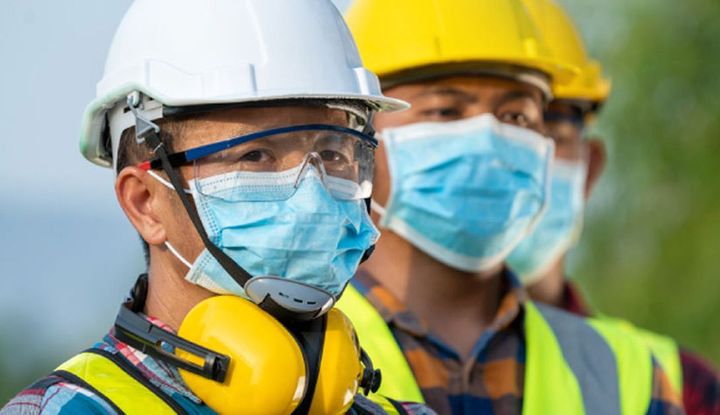
Industrial safety helmets have evolved significantly over time. Early protective headgear in construction and mining consisted of simple leather or metal caps, which offered limited protection. Modern designs now use engineered thermoplastics, high-density polyethylene, and advanced suspension systems that distribute impact forces more effectively. Because workplaces continue to become more complex with heavy machinery, automation, and high-risk operations, helmet safety standards have also expanded to address new hazards.
Today, industrial safety helmets are considered a fundamental part of occupational safety management. They are widely used in sectors such as construction, manufacturing, oil and gas, logistics, energy infrastructure, and heavy engineering. Their purpose is straightforward: reduce the likelihood of head injuries and improve overall workplace safety outcomes.
Understanding Industrial Safety Helmets
Industrial safety helmets are protective headgear designed to shield workers from impacts, falling objects, or electrical exposure. Most models consist of three primary components:
• Outer shell – a rigid protective layer that resists penetration and distributes force
• Suspension system – internal straps that absorb shock and keep the helmet slightly elevated from the skull
• Chin strap or retention system – optional features used in environments where stability is important
Some helmets also include integrated face shields, hearing protection mounts, or ventilation systems for comfort during extended use.
Why Industrial Safety Helmets Matter in Modern Workplaces
Workplace safety has become a central priority in occupational risk management programs. Head injuries are among the most serious incidents in industrial settings, often resulting in long recovery periods or long-term health effects. Industrial safety helmets help mitigate these risks.
Several factors explain why helmet protection is essential today:
• Increasing complexity of industrial operations
• Growth in infrastructure and construction activities
• Use of heavy machinery and overhead equipment
• Strict workplace safety standards and compliance frameworks
The presence of appropriate head protection contributes to a broader occupational risk management strategy. It supports accident prevention initiatives, improves worker confidence, and helps organizations maintain compliance with safety guidelines.
Another important aspect is visibility and situational awareness. Many helmets include reflective elements or bright colors that allow workers to be seen more easily in busy work zones. This feature is especially useful in environments with vehicle movement or low visibility conditions.
Common Workplace Hazards Addressed by Safety Helmets
Industrial safety helmets help protect workers from multiple types of hazards:
• Falling objects from scaffolding or elevated platforms
• Impact injuries caused by low ceilings or machinery components
• Electrical contact risks in energy or maintenance operations
• Debris and structural fragments during demolition or heavy construction
The following table highlights typical hazard categories and helmet protection functions.
| Hazard Type | Example Workplace Scenario | Helmet Protection Function |
|---|
| Falling Objects | Construction materials dropping from scaffolding | Impact absorption |
| Structural Impact | Worker striking overhead beams | Shock distribution |
| Electrical Exposure | Maintenance near electrical lines | Insulating shell design |
| Flying Debris | Grinding or drilling operations | Head and face shielding compatibility |
These features make helmets one of the most critical pieces of industrial personal protective equipment.
Recent Developments and Industry Trends
Over the past year, workplace safety technology has continued to evolve. Several trends are shaping the design and usage of industrial safety helmets.
Smart safety helmet technology
Recent developments include helmets equipped with sensors that monitor worker activity and environmental conditions. Some models include:
• motion sensors for fall detection
• temperature monitoring
• communication systems for team coordination
These technologies are being explored in sectors such as infrastructure development and energy operations.
Improved ergonomic design
Manufacturers have increasingly focused on lightweight materials and improved ventilation systems. This reduces fatigue and encourages consistent helmet use during long shifts.
Integration with digital safety systems
Some modern helmets integrate with workplace safety platforms that track worker location or monitor hazardous conditions in real time.
The chart below illustrates the growing focus on advanced helmet features in recent years.
| Year | Key Innovation Focus |
|---|
| 2023 | Enhanced impact resistance materials |
| 2024 | Lightweight ergonomic suspension systems |
| 2025 | Smart sensor integration and communication features |
These innovations reflect a broader shift toward technology-enabled occupational safety systems.
Safety Standards and Regulatory Frameworks
Industrial safety helmets are influenced by various international safety standards. These frameworks define performance requirements, testing procedures, and certification criteria.
Some widely recognized helmet standards include:
• ANSI Z89.1 – Industrial head protection standard used in many industrial environments
• EN 397 – European safety helmet specification covering shock absorption and penetration resistance
• ISO 3873 – Global guidelines related to protective helmet performance
These standards typically address factors such as:
• impact absorption capability
• penetration resistance
• electrical insulation properties
• flame resistance
• retention system strength
Compliance with these standards ensures helmets meet minimum safety performance thresholds.
Workplace Safety Policies and Risk Management
Industrial safety helmets are also integrated into broader workplace safety policies. Many organizations include head protection within their personal protective equipment compliance programs.
Common workplace safety policy elements include:
• mandatory helmet use in designated zones
• periodic inspection of protective equipment
• employee training on PPE usage
• documentation of safety compliance procedures
These policies align with occupational safety frameworks that aim to reduce workplace incidents and improve overall safety culture.
Organizations may also conduct hazard assessments to determine which type of helmet classification is appropriate for specific tasks. For example, certain environments may require helmets designed for electrical protection or high-impact scenarios.
Tools and Resources for Workplace Safety Programs
Several tools and digital resources support the implementation of helmet safety programs and broader occupational safety practices.
Useful tools and resources include:
• Workplace hazard assessment templates used to identify risk areas
• PPE compliance tracking software for monitoring equipment usage
• Safety training platforms that provide educational modules on protective equipment
• Incident reporting systems that document workplace safety events
• Industrial safety standards databases containing regulatory guidelines
The following table highlights categories of tools commonly used in safety management systems.
| Resource Category | Purpose | Example Function |
|---|
| Safety Training Platforms | Worker education | Online PPE training modules |
| Risk Assessment Templates | Hazard identification | Safety audit documentation |
| PPE Tracking Systems | Compliance monitoring | Equipment inspection records |
| Incident Reporting Tools | Data collection | Safety incident analysis |
These resources help organizations maintain structured safety programs and support continuous improvement in workplace protection.
Frequently Asked Questions
What is the main purpose of an industrial safety helmet?
The primary purpose is to protect workers from head injuries caused by falling objects, impacts, or electrical exposure. Helmets distribute force and reduce the severity of potential injuries.
How often should industrial safety helmets be inspected?
Helmets should be visually inspected before use and periodically reviewed according to workplace safety procedures. Inspection typically includes checking the shell, suspension system, and retention components.
What materials are commonly used in safety helmets?
Many helmets use materials such as high-density polyethylene, thermoplastic polymers, and composite materials designed to absorb and distribute impact forces effectively.
Are all safety helmets designed for the same hazards?
No. Different helmet classifications address specific hazards such as impact protection, electrical insulation, or extreme temperature environments.
Why is worker training important for helmet safety?
Training helps workers understand when helmets are required, how to adjust them properly, and how to recognize signs of damage or wear.
Conclusion
Industrial safety helmets remain one of the most fundamental components of workplace protection systems. They play a vital role in reducing the risk of head injuries across many industrial sectors. As work environments evolve and safety standards become more advanced, helmet technology continues to improve with better materials, ergonomic design, and digital integration.
Effective safety programs rely not only on equipment but also on clear policies, employee awareness, and compliance with recognized safety standards. When used as part of a comprehensive occupational risk management strategy, industrial safety helmets contribute significantly to safer and more resilient workplaces.