Explore Wireless Security Cameras: Complete Guide, Tips, Advice, and Essential Information
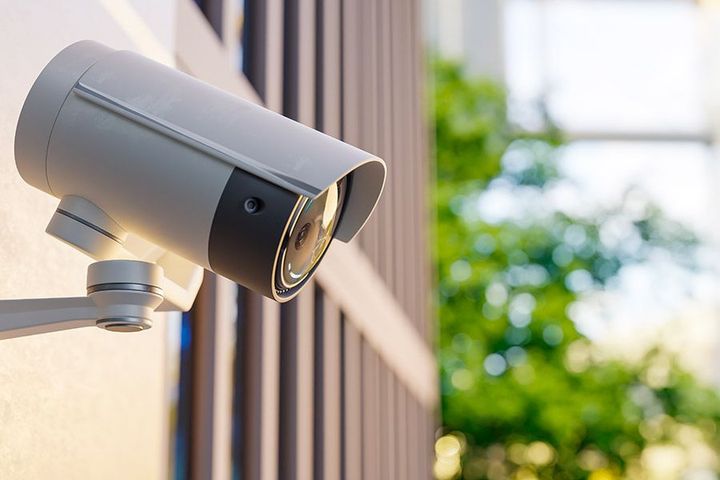
Wireless security cameras are surveillance devices that transmit video and audio data through Wi-Fi or other wireless communication networks instead of traditional wired connections. They are part of broader home surveillance systems, IP camera systems, and smart home security technology.
Unlike analog CCTV systems, wireless cameras rely on internet connectivity for remote video monitoring, cloud storage, and mobile app access. These systems reduce the need for extensive cabling while supporting encrypted video transmission and real-time alerts.
Common components include:
-
HD or 4K camera sensor
-
Wi-Fi or dual-band connectivity
-
Cloud video storage or local SD storage
-
AI motion detection software
-
Mobile application dashboard
-
Two-way audio capability
Wireless security cameras are widely used in residential buildings, small businesses, educational institutions, and shared living environments.
Why Wireless Surveillance Technology Matters Today
Security concerns, digital transformation, and increased internet connectivity have made smart home security systems more relevant than ever. Wireless cameras provide monitoring flexibility while supporting data encryption standards and cloud-based video management systems.
This topic matters because:
-
Urban households seek enhanced property monitoring
-
Remote work trends increase time spent at home
-
Package delivery tracking requires visual confirmation
-
Rental properties require flexible surveillance
-
Small offices need scalable monitoring systems
Wireless systems address several challenges:
-
Limited wiring infrastructure
-
Need for real-time mobile alerts
-
Multi-location monitoring
-
Video evidence documentation
-
Integration with smart assistants
Below is a comparison of traditional wired CCTV and wireless IP camera systems:
| Feature | Wired CCTV System | Wireless Security Camera |
|---|---|---|
| Installation Complexity | High | Moderate to Low |
| Remote Access | Limited | App-based Remote Access |
| Cloud Video Storage | Rare | Common |
| AI Motion Detection | Basic | Advanced AI Analytics |
| Scalability | Fixed | Flexible Expansion |
| Encryption Support | Limited | End-to-End Encryption |
Wireless cameras increasingly include features such as facial recognition (where legally permitted), zone-based motion detection, and smart notifications.
Recent Developments in Wireless Camera Technology (2025–2026)
The past year has seen significant developments in surveillance and cybersecurity standards.
Recent regulatory updates have emphasized transparent data handling, secure retention policies, and improved encryption practices in video surveillance systems.
Key trends include:
-
Edge AI processing to reduce cloud dependence
-
Improved battery efficiency with solar panel integration
-
Wi-Fi 6 compatibility for stable video streaming
-
Encrypted cloud storage with multi-factor authentication
-
Advanced cybersecurity firmware updates
Graph: Growth of Smart Surveillance Technology (Global Trend)
Home Security Adoption Rate (%)
2022 | ████████ 45%
2023 | ███████████ 55%
2024 | █████████████ 63%
2025 | ████████████████ 71%
2026* | ██████████████████ 78% (Projected)
This growth reflects increasing awareness of cybersecurity compliance, digital monitoring, and automated alert systems.
Laws, Regulations, and Compliance Considerations
Wireless security cameras are subject to privacy, data protection, and surveillance regulations that vary by jurisdiction. These laws typically focus on how video data is collected, stored, processed, and shared.
In many European regions, the General Data Protection Regulation (GDPR) regulates personal data captured by cameras. Property owners must:
-
Inform individuals of active video recording
-
Limit data retention duration
-
Protect footage using encryption
-
Avoid recording public spaces without justification
In several jurisdictions, privacy expectations differ regarding audio recording. Some regions require consent for recording conversations, while video-only surveillance may be permitted in public-facing areas.
Common compliance requirements include:
-
Clear signage indicating surveillance
-
Secure cloud storage policies
-
Restricted access to recorded footage
-
Defined data deletion timelines
-
Regular firmware updates
Organizations and homeowners are encouraged to review official government privacy authority guidelines before deployment.
Tools and Digital Resources
Wireless surveillance systems operate through mobile apps and digital dashboards designed for configuration and monitoring.
Helpful digital resources include:
-
Smart home management applications
-
Cloud storage management portals
-
Cybersecurity best-practice frameworks
-
Bandwidth calculators for estimating upload needs
-
Storage planning tools for video retention
When evaluating a wireless security camera system, consider:
-
Resolution (1080p vs 4K)
-
Field of view (90°–160°)
-
Night vision range
-
Weather resistance rating (IP65, IP66)
-
Two-factor authentication support
Frequently Asked Questions
How do wireless security cameras transmit data?
They connect via Wi-Fi networks and transmit video to cloud servers or local storage devices. Many systems use encrypted communication protocols to protect footage.
Do wireless cameras work during internet outages?
Some models support local SD card storage and continue recording offline. However, remote monitoring features typically require an active internet connection.
Is cloud video storage secure?
Security depends on encryption standards, account authentication, and provider policies. Platforms with end-to-end encryption and multi-factor authentication provide stronger protection.
Can wireless cameras record audio legally?
Audio recording laws vary by jurisdiction. Some regions require consent from all parties before recording conversations. Always verify local legal requirements before enabling audio features.
How long is surveillance footage stored?
Retention duration depends on user settings and applicable data protection regulations. Many privacy laws recommend limiting storage to what is necessary for security purposes.
Key Considerations Before Installation
When planning a wireless security system, evaluate:
-
Internet bandwidth capacity
-
Router placement for signal strength
-
Camera positioning to avoid privacy violations
-
Data retention compliance policies
-
Firmware update frequency
Security best practices include:
-
Using strong, unique passwords
-
Enabling multi-factor authentication
-
Separating security devices on a dedicated Wi-Fi network
-
Reviewing privacy settings periodically
Conclusion
Wireless security cameras have evolved into advanced IP surveillance systems that combine cloud computing, AI motion detection, and encrypted communication protocols. They provide flexible monitoring solutions for homes and organizations while raising important privacy and cybersecurity considerations.
Recent technological updates emphasize edge processing, improved encryption standards, and regulatory compliance. Legal frameworks worldwide require responsible deployment and transparent data management.
Understanding installation requirements, privacy obligations, and digital security best practices ensures that wireless surveillance systems operate effectively and ethically. As smart home ecosystems expand, wireless security cameras remain a key component of modern security infrastructure, balancing convenience, data protection, and regulatory compliance.