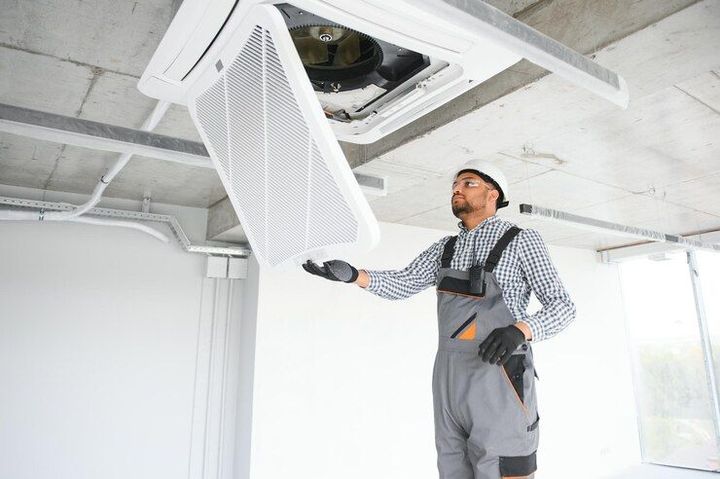
The purpose of duct cleaning is to maintain proper airflow and support indoor air quality improvement. HVAC systems are designed to move conditioned air efficiently, but buildup inside ducts can interfere with airflow performance.
Air duct cleaning typically includes:
-
Inspection of supply and return ducts
-
Cleaning of air registers and grilles
-
Examination of HVAC system components
-
Removal of visible dust accumulation
-
Assessment for moisture or mold concerns
Organizations such as the U.S. Environmental Protection Agency provide general guidance on indoor air quality and recommend cleaning only when necessary rather than on a fixed schedule.
Why Air Duct Cleaning Matters Today
Indoor environments play a central role in daily life. Homes, offices, healthcare facilities, and educational institutions rely on properly functioning ventilation systems to maintain comfort and environmental health standards.
Several factors increase attention on ductwork inspection and ventilation system cleaning:
-
Increased awareness of indoor air pollution
-
Greater time spent indoors
-
Energy efficiency initiatives
-
Focus on HVAC system maintenance compliance
Air ducts can collect dust and allergens, particularly in buildings with poor filtration or high occupancy levels. In some cases, moisture intrusion may lead to mold growth, which requires careful remediation according to guidelines from the Centers for Disease Control and Prevention.
Potential issues associated with neglected duct systems include:
-
Reduced HVAC efficiency
-
Uneven airflow distribution
-
Circulation of accumulated particles
-
Strain on heating and cooling equipment
The following table outlines common concerns and their potential impact:
| Concern | Possible Effect on Building |
|---|
| Dust accumulation | Restricted airflow |
| Moisture in ductwork | Mold growth risk |
| Blocked vents | Temperature imbalance |
| Dirty HVAC components | Lower energy efficiency |
Maintaining clean ducts is part of a broader strategy that includes air quality testing, high-efficiency filtration, and proper ventilation design.
Recent Updates and Industry Trends
Over the past year, attention to indoor air management has continued to evolve. In 2025, updates to ventilation best practices have focused on improving filtration standards and air exchange rates in commercial buildings.
The American Society of Heating, Refrigerating and Air-Conditioning Engineers has emphasized improved indoor air quality through updated ventilation guidance. These updates highlight:
-
Higher minimum efficiency reporting value (MERV) filtration levels
-
Enhanced airflow monitoring
-
Improved HVAC system documentation
Additionally, the Environmental Protection Agency reaffirmed that duct cleaning should be based on visible contamination, pest infestation, or mold presence rather than routine scheduling without evidence.
Technology trends in 2025 include:
-
Digital HVAC inspection cameras
-
Smart airflow monitoring systems
-
Data-based indoor air quality assessment tools
-
Automated maintenance tracking platforms
Below is a simplified representation of how indoor air quality focus has increased over time:
Indoor Air Quality Focus Trend (Illustrative)
2021 ████
2022 ██████
2023 ████████
2024 ██████████
2025 ████████████
This upward trend reflects increased regulatory attention and public awareness.
Laws, Regulations, and Compliance Considerations
Air duct cleaning intersects with environmental health standards, occupational safety, and building codes. While there is no universal mandate requiring routine duct cleaning, compliance frameworks influence HVAC maintenance practices.
Key regulatory considerations include:
-
Indoor air quality standards in commercial buildings
-
Occupational health regulations for workplaces
-
Mold remediation guidelines
-
Energy efficiency policies
The Occupational Safety and Health Administration outlines workplace air quality responsibilities. Employers must maintain safe indoor environments, which may involve ventilation system inspection when air contamination concerns arise.
In addition, building codes referencing standards from ASHRAE influence ventilation rates and filtration practices. Property managers and facility operators often maintain documentation of HVAC inspections as part of compliance records.
For healthcare facilities and laboratories, stricter ventilation and filtration requirements may apply under federal and state health regulations.
Compliance documentation typically includes:
Maintaining clear documentation supports transparency and accountability in building management.
Tools and Resources for Learning More
Understanding air duct cleaning involves reviewing educational resources and technical standards. Several organizations provide guidance and research-based information.
Helpful resources include:
-
U.S. Environmental Protection Agency – Indoor air quality guidance
-
American Society of Heating, Refrigerating and Air-Conditioning Engineers – Ventilation and filtration standards
-
National Air Duct Cleaners Association – Industry best practices and certification standards
-
Centers for Disease Control and Prevention – Mold and environmental health guidance
Practical tools used in duct assessment include:
-
Borescope inspection cameras
-
Airflow measurement devices
-
Particle counters for air quality testing
-
HVAC system performance monitors
Below is a comparison table of common assessment tools:
| Tool Type | Primary Function |
|---|
| Inspection camera | Visual duct interior assessment |
| Airflow meter | Measures ventilation performance |
| Particle counter | Evaluates airborne particles |
| Moisture meter | Detects damp conditions |
These tools support evidence-based decisions rather than routine cleaning without inspection.
Frequently Asked Questions
What signs indicate that duct cleaning may be needed?
Visible dust discharge from vents, confirmed mold growth inside ducts, pest infestation, or restricted airflow may justify inspection. Routine cleaning without signs of contamination is generally not recommended by regulatory agencies.
Does duct cleaning improve HVAC efficiency?
If ducts are heavily obstructed by debris, cleaning may restore airflow. However, system efficiency also depends on filter quality, equipment condition, and proper system design.
How often should ducts be inspected?
Inspection frequency depends on building type, occupancy level, and environmental conditions. Commercial properties often review HVAC systems annually as part of maintenance documentation.
Is duct cleaning the same as mold remediation?
No. Mold remediation involves specialized containment and removal procedures guided by environmental health standards. Duct cleaning may address surface dust but does not replace formal mold remediation protocols.
Are air filters more important than duct cleaning?
High-efficiency filtration plays a significant role in indoor air quality improvement. Regular filter replacement is often more impactful than routine duct cleaning without evidence of contamination.
Conclusion
Air duct cleaning is a component of broader HVAC system maintenance and indoor air quality management. It is most effective when based on inspection findings rather than assumptions. Regulatory bodies emphasize evidence-based decisions, proper documentation, and adherence to environmental health standards.
In 2025, attention to ventilation system cleaning and air quality testing continues to grow due to increased awareness of indoor environmental health. Compliance considerations, updated filtration standards, and digital monitoring technologies all influence how building managers approach ductwork inspection.
Understanding the role of air duct cleaning within HVAC system maintenance helps individuals and organizations maintain safer, more efficient indoor environments without relying on exaggerated claims or unnecessary procedures.