Explore Air Blower Firms: Complete Guide, Basics, Insights, and Industry Details
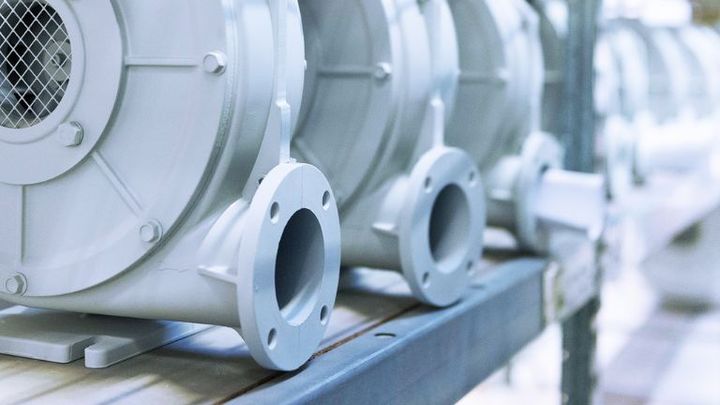
Air blower firms design and manufacture industrial airflow equipment used across manufacturing, infrastructure, environmental systems, and energy facilities. These firms focus on engineered solutions such as centrifugal blowers, positive displacement blowers, high-pressure air systems, and industrial ventilation equipment.
Air blowers move air or gas at controlled pressure levels to support processes like aeration, combustion, drying, cooling, dust collection, and material conveying. Unlike compressors, blowers typically operate at lower pressure ratios but higher airflow volumes, making them essential for continuous industrial operations.
Industrial air blower manufacturers operate in sectors including:
-
Wastewater treatment and aeration systems
-
Power generation facilities
-
Chemical processing plants
-
Cement and steel production
-
Food and beverage processing
-
Pharmaceutical manufacturing
-
HVAC and building automation systems
These firms combine mechanical engineering, fluid dynamics, energy efficiency research, and environmental compliance standards to produce industrial airflow solutions aligned with modern regulatory frameworks.
Why Air Blower Firms Matter in Modern Industry
Air blower firms play a critical role in operational efficiency, environmental protection, and industrial sustainability. As industries prioritize energy optimization and carbon reduction, advanced blower systems have become central to performance improvement strategies.
Key reasons this sector is important include:
Energy Efficiency and Carbon Management
Energy efficient blowers significantly reduce electricity consumption in large-scale operations. Since airflow systems often operate continuously, improvements in motor efficiency, impeller design, and control systems can lower overall energy usage.
Environmental Compliance Equipment
Blower systems are used in pollution control technologies such as flue gas desulfurization, dust filtration, and wastewater aeration. Without regulated airflow, emissions control systems cannot function effectively.
Industrial Process Optimization
Many industrial processes depend on stable airflow for combustion, mixing, or material transport. Precise airflow control improves product consistency and reduces operational downtime.
Infrastructure and Public Utilities
Municipal wastewater facilities rely heavily on blower systems for biological treatment. Aeration blowers help maintain oxygen levels needed for microbial activity, making them central to water management infrastructure.
Industries most affected by air blower technologies include:
-
Utilities and environmental services
-
Heavy industrial manufacturing
-
Infrastructure development
-
Renewable energy facilities
-
Data centers and cooling systems
As automation expands, blower firms increasingly integrate digital monitoring and predictive analytics into their equipment to enhance system reliability.
Recent Trends and Industry Developments
The air blower industry has experienced measurable transformation over the past year, particularly in energy efficiency and smart automation.
Advanced Motor Integration (2025)
In 2025, manufacturers accelerated the adoption of high-efficiency motor systems aligned with global efficiency classifications such as IE4 and IE5 standards. These motors improve performance in centrifugal blower systems and reduce lifecycle energy consumption.
Expansion of Smart Monitoring Technologies
Leading industrial firms, including Atlas Copco and Ingersoll Rand, expanded IoT-enabled blower platforms that integrate vibration sensors, temperature tracking, and cloud-based performance dashboards.
Sustainability and Low-Emission Initiatives
Global sustainability policies introduced in 2025 have increased demand for low-noise, low-emission blower systems in wastewater and power plants. Environmental engineering firms now prioritize energy performance data during procurement processes.
Shift Toward Oil-Free Blower Systems
Industries such as pharmaceuticals and food processing are increasingly adopting oil-free air blower systems to ensure contamination control and regulatory compliance.
Digital Twin Applications
Some manufacturers introduced digital twin simulations that model airflow performance before installation. This improves project planning and supports compliance documentation.
The following table summarizes recent industry priorities:
| Industry Focus Area | 2024–2025 Trend Direction | Impact on Air Blower Firms |
|---|---|---|
| Energy Efficiency Standards | Increasing | Motor redesign and testing |
| Environmental Compliance | Strengthening | Emissions monitoring integration |
| Smart Industrial Automation | Expanding | Sensor-enabled blower units |
| Noise Reduction Regulations | Tightening | Acoustic engineering innovation |
| Lifecycle Monitoring | Growing | Predictive maintenance tools |
Regulatory and Policy Frameworks Affecting Air Blower Firms
Air blower firms operate within strict regulatory environments, particularly in regions such as the United States, the European Union, and other developed industrial markets.
Energy Efficiency Regulations
In the United States, the U.S. Department of Energy enforces motor efficiency standards under the Energy Policy Act. Industrial motors used in blower systems must meet specified performance benchmarks.
Within the European Union, the European Commission oversees Ecodesign regulations, which define minimum efficiency levels for electric motors and variable speed drives.
Environmental Protection Standards
The Environmental Protection Agency regulates air emissions and wastewater treatment requirements. Blower systems used in pollution control must meet operational performance standards.
In Europe, the European Environment Agency monitors compliance with air quality directives, influencing industrial ventilation and exhaust system design.
Workplace Safety Standards
Blower installations must align with industrial safety frameworks. The Occupational Safety and Health Administration outlines ventilation requirements in industrial facilities.
Global Sustainability Agreements
International frameworks such as the United Nations Sustainable Development Goals encourage reduced industrial emissions and improved energy efficiency, indirectly shaping blower system innovation.
Compliance documentation often includes:
-
Energy performance certifications
-
Acoustic level measurements
-
Emissions control integration records
-
Safety and installation standards verification
Types of Industrial Air Blower Technologies
Air blower firms typically produce several categories of industrial airflow systems.
Centrifugal Blowers
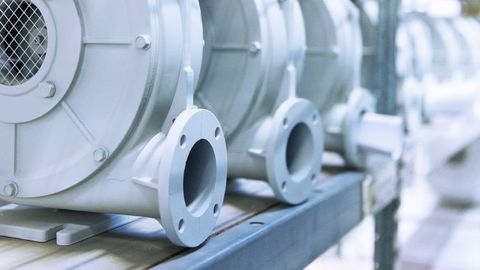
These systems use rotating impellers to increase air velocity. They are common in wastewater aeration systems and industrial HVAC applications.
Positive Displacement Blowers
Often used in pneumatic conveying systems, these blowers deliver constant airflow regardless of pressure variations.
Axial Flow Fans
Axial blowers are widely used in cooling and ventilation systems in data centers and large buildings.
High-Speed Turbo Blowers
Designed for energy efficiency, turbo blowers are increasingly adopted in municipal infrastructure.
The following simplified performance comparison illustrates airflow characteristics:
| Blower Type | Pressure Range | Airflow Volume | Typical Applications |
|---|---|---|---|
| Centrifugal | Medium | High | Aeration, dust control |
| Positive Displacement | High | Medium | Conveying, combustion |
| Axial | Low | Very High | Ventilation |
| Turbo | Medium | High | Energy-optimized facilities |
Tools, Platforms, and Industry Resources
Professionals researching air blower firms often rely on technical tools and engineering platforms.
Engineering and Design Software
-
ANSYS for computational fluid dynamics (CFD) simulations
-
Autodesk AutoCAD for industrial equipment layout planning
Energy Efficiency Databases
-
International Energy Agency for industrial energy performance data
Industry Standards Organizations
-
American Society of Mechanical Engineers (ASME) standards
-
International Organization for Standardization for ISO 9001 and ISO 14001 certifications
Industrial Data Monitoring Platforms
-
IoT-based dashboards integrated within modern blower systems
-
Predictive maintenance software for vibration analysis
These resources help engineers evaluate blower performance, regulatory compliance, and lifecycle efficiency.
Market Landscape and Leading Global Firms
The industrial air blower market includes multinational engineering companies and regional manufacturers. Prominent firms in the sector include:
-
Gardner Denver
-
Kaeser Kompressoren
-
Howden
These companies focus on industrial ventilation equipment, advanced centrifugal blower systems, and digital monitoring technologies.
Market growth is influenced by:
-
Infrastructure expansion
-
Water treatment upgrades
-
Industrial automation investment
-
Decarbonization initiatives
Frequently Asked Questions
What is the difference between a blower and a compressor?
Blowers operate at lower pressure ratios and move higher volumes of air, while compressors generate higher pressures for compressed air systems.
Why are energy efficient blowers important in industrial settings?
Because blower systems often run continuously, improvements in motor and impeller design can significantly reduce electricity usage and emissions.
How do regulations affect air blower manufacturers?
Energy efficiency laws, emissions standards, and safety codes require manufacturers to meet performance certifications and documentation standards.
What industries rely most heavily on blower technology?
Wastewater treatment, power generation, heavy manufacturing, HVAC infrastructure, and chemical processing sectors depend on industrial airflow systems.
What role does automation play in modern blower systems?
Automation integrates sensors and digital monitoring to improve predictive maintenance, operational stability, and compliance reporting.
Conclusion
Air blower firms are central to modern industrial infrastructure. From wastewater aeration systems to high-efficiency centrifugal blower systems in manufacturing plants, these technologies support environmental compliance, energy management, and process stability.
Recent advancements in motor efficiency, digital monitoring, and sustainability standards have reshaped the sector. Regulatory frameworks from organizations such as the U.S. Department of Energy and the European Commission continue to influence product design and operational documentation.
As industries pursue energy optimization and environmental responsibility, industrial air blower manufacturers remain critical to achieving compliance, operational resilience, and long-term sustainability goals.
This guide provides foundational knowledge, industry insights, regulatory context, and practical resources to understand how air blower firms contribute to modern industrial ecosystems while aligning with global efficiency and environmental standards.