Learn About Printing Machines: Overview, Key Facts, Technical Details, Helpful Resources, and Expert Suggestions
Printing machines are mechanical and digital systems designed to reproduce text, images, and graphics on paper, fabric, plastic, metal, and other materials. They evolved from early mechanical presses into advanced digital and industrial printing systems used across publishing, packaging, manufacturing, education, and marketing industries.
Historically, printing technology transformed global communication. The invention of the modern printing press by Johannes Gutenberg in the 15th century made large-scale book production possible. Over centuries, offset printing machines, screen printing systems, flexographic presses, and digital printing press technology expanded the industry’s capabilities.
Today, printing machines include:
-
Digital printing presses
-
Offset printing machines
-
Flexographic printing systems
-
Gravure printing presses
-
Large format printing solutions
-
Industrial 3D printing technology
Each system serves specific output volumes, materials, and quality requirements. Commercial printing equipment is now integrated with automation software, color management systems, and data-driven workflows.
Why Printing Machines Matter in Modern Industries
Printing machines continue to play a vital role in global commerce and communication. Despite digital media growth, physical printing remains essential in several sectors.
Key industries that rely on industrial printing systems include:
-
Packaging and labeling
-
Publishing and education
-
Advertising and marketing materials
-
Textile and garment production
-
Electronics and circuit printing
-
Medical device labeling and documentation
Printing machinery solves several challenges:
-
High-volume production of consistent materials
-
Durable packaging and labeling for logistics
-
Secure document printing with anti-counterfeit features
-
Customization through variable data printing
-
Rapid prototyping using 3D printing technology
Digital printing press technology enables short-run production and personalized printing. Offset printing machines are more suitable for high-volume standardized materials. Packaging printing machinery supports supply chain labeling, barcoding, and regulatory compliance.
Modern commercial printing equipment now integrates:
-
Cloud-based workflow automation
-
AI-driven color correction
-
Remote monitoring systems
-
Energy-efficient drying and curing technologies
These improvements help reduce material waste and improve operational accuracy.
Recent Updates and Industry Trends in 2025–2026
The printing industry has experienced notable technological and regulatory developments over the past year.
In 2025, sustainability became a major focus in industrial printing systems. Many manufacturers introduced low-VOC ink systems and energy-efficient curing methods. Companies aligned their environmental standards with international frameworks such as those supported by the International Organization for Standardization, particularly ISO 14001 environmental management standards.
Digital transformation continues to reshape printing workflows. In early 2026, several commercial printing equipment manufacturers expanded AI-powered automation features for predictive maintenance and color consistency control.
Growth in 3D printing technology has also accelerated, especially in industrial prototyping. According to 2025 industry reports, additive manufacturing systems are increasingly used in aerospace, healthcare devices, and automotive component development.
Another trend is the expansion of large format printing solutions for architectural graphics and event displays. UV printing systems and eco-solvent technologies have improved durability and substrate compatibility.
Cybersecurity measures are also becoming more relevant as network-connected printing machinery integrates cloud systems. Secure data transmission and encrypted print management tools are now standard in advanced digital press technology.
Laws and Regulatory Considerations
Printing machines operate within a framework of safety, environmental, and quality regulations. Compliance requirements vary by region, but global standards commonly influence manufacturing and operational practices.
Environmental regulations often address:
-
Volatile Organic Compound (VOC) emissions
-
Waste ink disposal
-
Chemical storage standards
-
Energy efficiency guidelines
Workplace safety regulations apply to industrial printing systems involving heavy mechanical parts, UV curing lamps, and chemical handling.
International standards such as those from the International Electrotechnical Commission define electrical safety requirements for commercial printing equipment.
Data protection regulations may apply to digital printing press technology when handling personalized or confidential information.
The following table summarizes common compliance categories:
| Regulatory Area | Key Focus | Relevance to Printing Machines |
|---|---|---|
| Environmental Compliance | Emissions, waste, sustainability | Ink systems, solvents, curing |
| Electrical Safety Standards | Equipment insulation, wiring | Industrial printing systems |
| Workplace Safety | Operator protection | Moving parts, heat systems |
| Data Protection | Secure data handling | Variable data printing |
Organizations typically conduct routine audits to ensure machinery aligns with updated industrial safety codes.
Technical Details of Printing Machines
Printing machines differ based on technology and production requirements.
Offset Printing Machines
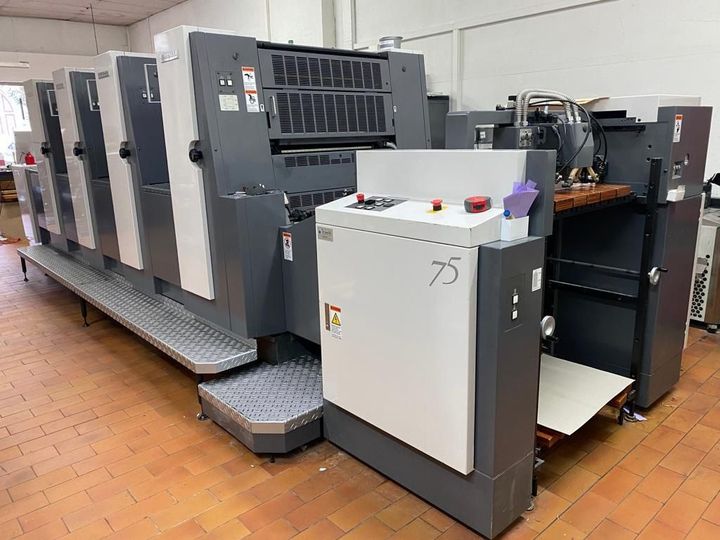
Offset printing technology transfers ink from a plate to a rubber blanket before applying it to paper. It is widely used for high-volume publications such as books and magazines.
Digital Printing Press Technology
Digital presses print directly from digital files without plates. They are ideal for short runs and variable data printing. Laser and inkjet systems dominate this segment.
Flexographic Printing Systems
Flexographic presses use flexible relief plates and fast-drying inks. They are commonly used in packaging printing machinery for labels and plastic materials.
Gravure Printing Presses
Gravure systems use engraved cylinders for long-run, high-quality image production. They are frequently applied in large-scale packaging.
3D Printing Technology
Additive manufacturing builds objects layer by layer using polymers, resins, or metal powders. This technology differs significantly from traditional printing but is categorized under industrial printing systems.
The simplified comparison below highlights core differences:
| Printing Type | Ideal Volume | Setup Time | Material Range |
|---|---|---|---|
| Offset Printing | High-volume | Moderate | Paper |
| Digital Printing | Low to medium | Low | Paper, labels |
| Flexographic | Medium to high | Moderate | Plastic, film |
| 3D Printing | Prototype runs | Low | Polymer, metal |
Modern systems integrate automated feeders, inline finishing modules, and digital color calibration tools.
Tools and Resources for Understanding Printing Technology
Several tools help professionals and learners better understand printing machinery and workflows.
Industry Standards and Documentation
-
ISO standards for print quality and environmental compliance
-
IEC safety documentation
Software Solutions
-
Print automation software for workflow management
-
Color calibration tools using ICC profiles
-
RIP (Raster Image Processor) systems
Educational Platforms
-
Technical courses from engineering institutions
-
Industry webinars on digital printing press technology
-
Equipment manuals from recognized manufacturers
Research Reports
-
Annual printing industry outlook reports
-
Sustainability benchmarking studies
Technology Monitoring Tools
-
Predictive maintenance dashboards
-
Remote equipment performance monitoring software
These resources support informed decision-making and regulatory alignment.
Frequently Asked Questions
What is the difference between digital printing and offset printing machines?
Digital printing press technology prints directly from digital files and is efficient for short runs. Offset printing machines require plates and are suited for large-volume production.
How do industrial printing systems support sustainability?
Modern systems use energy-efficient drying technologies, water-based inks, and automated waste reduction controls to minimize environmental impact.
What industries use packaging printing machinery the most?
Food packaging, pharmaceuticals, consumer goods, and logistics sectors depend heavily on packaging printing for labeling and compliance documentation.
Is 3D printing considered part of commercial printing equipment?
3D printing technology is categorized under industrial printing systems, but it differs technically from traditional two-dimensional printing processes.
Are printing machines subject to electrical safety regulations?
Yes. Industrial printing equipment must comply with electrical and operational safety standards defined by international regulatory bodies.
Visual Overview of Printing Workflow
Below is a simplified representation of a digital printing workflow:
Design File → RIP Processing → Print Engine → Drying/Curing → Finishing → Quality Inspection
This linear process demonstrates how automation software integrates with mechanical systems for efficient output.
Conclusion
Printing machines remain fundamental to modern industry. From offset printing machines used in publishing to digital printing press technology supporting personalized marketing materials, these systems enable consistent, scalable communication.
Recent advancements in automation, sustainability, and cybersecurity are reshaping commercial printing equipment standards in 2025–2026. Industrial printing systems now integrate intelligent software, predictive maintenance tools, and eco-friendly ink technologies to meet evolving regulatory requirements.
Understanding printing machinery involves technical knowledge, compliance awareness, and familiarity with emerging digital innovations. With continuous advancements in packaging printing machinery and 3D printing technology, the industry continues to adapt to global production needs while maintaining regulatory and environmental accountability.
This overview provides a balanced and educational foundation for anyone seeking deeper knowledge of commercial printing equipment and modern printing technology systems