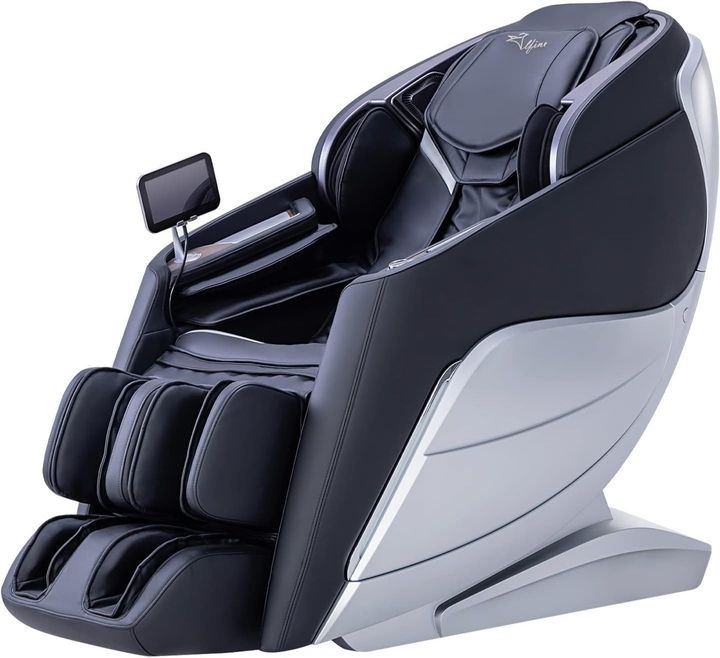
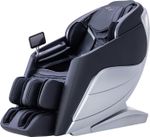
Modern massage chairs combine mechanical engineering with digital controls. Many models incorporate features such as zero gravity positioning, body scanning technology, heat therapy modules, and multiple massage styles inspired by techniques like shiatsu, kneading, tapping, and rolling.
Brands such as Osaki, Panasonic, and Human Touch have helped advance the technology by integrating ergonomic design with microprocessor-based systems. These systems allow the chair to adjust intensity, speed, and massage patterns based on user preference.
The core components of a massage chair typically include:
-
Roller mechanisms that move along a track (S-track or L-track design)
-
Air compression systems for shoulders, arms, hips, and legs
-
Heating elements for lumbar or back support
-
Control panels or touchscreen interfaces
-
Body detection sensors for customized positioning
Massage chairs exist to address muscle stiffness, stress accumulation, sedentary lifestyle strain, and recovery needs in a controlled indoor environment.
Why Massage Chairs Matter Today
In recent years, workplace fatigue, extended screen time, and reduced physical activity have increased interest in home-based wellness solutions. Massage chairs are relevant in discussions about:
Research published by organizations such as the American Massage Therapy Association indicates that massage therapy can support relaxation and temporary relief of muscle tension. While massage chairs are not medical devices unless certified as such, they aim to replicate aspects of therapeutic massage in a structured way.
The following table outlines common user concerns and how massage chair features correspond to them:
| User Concern | Common Feature | Intended Function |
|---|
| Lower back stiffness | Lumbar heat + rolling mechanism | Muscle relaxation support |
| Neck tension | Adjustable neck rollers | Targeted pressure application |
| Leg fatigue | Air compression calf system | Rhythmic compression stimulation |
| Stress and anxiety | Pre-programmed relaxation modes | Guided massage routines |
| Poor posture discomfort | Zero gravity recline | Reduced spinal load |
Massage chairs are especially relevant for:
-
Remote workers and desk-based professionals
-
Older adults seeking non-strenuous relaxation
-
Athletes or fitness enthusiasts
-
Individuals interested in wellness technology
The appeal lies in convenience, programmable settings, and repeatable massage patterns.
Technology Behind Modern Massage Chairs
Massage chair engineering has evolved significantly. Earlier models relied on simple vibration motors, but current designs include complex mechanical tracks and AI-assisted body scanning systems.
Key technologies include:
3D and 4D Roller Systems
These allow forward, backward, and depth-based movements. “4D” typically adds variable speed and rhythm changes to mimic human touch patterns.
S-Track and L-Track Designs
S-track follows the natural curve of the spine.
L-track extends from the neck down to the gluteal area for broader coverage.
Body Scanning Sensors
Infrared or pressure sensors map shoulder height and spinal alignment before starting a program.
Zero Gravity Positioning
Inspired by aerospace body posture research, this recline position distributes weight more evenly and reduces spinal compression.
Air Compression Technology
Multiple airbags inflate and deflate in cycles to create squeezing pressure on arms, hips, and legs.
Smart Controls and Connectivity
Some advanced models integrate mobile app controls or voice commands. For example, companies like Panasonic have explored integration with digital wellness platforms.
A simplified overview of core technology layers:
| Technology Layer | Function |
|---|
| Mechanical Rollers | Direct muscle stimulation |
| Airbags | Compression-based stimulation |
| Heating Modules | Thermal relaxation support |
| Microprocessor | Controls program logic |
| User Interface | Adjusts intensity and duration |
These components work together to provide customizable wellness sessions.
Recent Trends and Developments in 2025
The past year has seen notable developments in the wellness technology sector.
In 2025, manufacturers have focused on:
-
AI-based body mapping for more precise alignment
-
Energy-efficient motors to reduce electricity consumption
-
Compact designs for smaller living spaces
-
Integration with wearable fitness data
-
Noise reduction engineering
According to industry reports released in early 2025, smart wellness furniture is becoming part of broader “connected home health” ecosystems. Companies are exploring data syncing features that allow chairs to adjust programs based on physical activity metrics.
Another trend involves sustainability. Some manufacturers have started using eco-certified synthetic leather and recyclable materials to align with environmental compliance standards.
There is also increased attention to ergonomic certification standards to improve safety and durability.
Laws, Regulations, and Safety Standards
Massage chairs fall under consumer electronics and wellness equipment categories. They are generally regulated for electrical safety, manufacturing standards, and product labeling accuracy.
In the United States, electrical compliance may align with standards from organizations such as:
-
Underwriters Laboratories
-
Federal Trade Commission for advertising claims
-
Food and Drug Administration if marketed with medical device claims
Manufacturers must avoid presenting massage chairs as medical treatments unless they meet medical device classification requirements.
Common regulatory considerations include:
-
Electrical safety certification
-
Fire resistance of upholstery materials
-
Clear usage warnings
-
Accurate health-related claims
-
Consumer protection labeling
Users are typically advised to consult healthcare professionals before extended use if they have:
Regulatory compliance ensures product safety and prevents misleading wellness claims.
Tools and Resources for Informed Decisions
Several independent resources can help users understand massage chair specifications and safety standards.
Consumer Research Platforms
Websites like Consumer Reports publish product evaluations and durability assessments.
Wellness Guidance
The National Center for Complementary and Integrative Health provides information about massage therapy and evidence-based health practices.
Specification Comparison Checklists
Users may create a structured comparison table:
| Feature | Option A | Option B | Notes |
|---|
| Track Type | L-track | S-track | Coverage difference |
| Roller Depth | 3D | 4D | Intensity variation |
| Heat Zones | Lumbar | Lumbar + Calves | Thermal coverage |
| Noise Level | Moderate | Low | Home environment suitability |
Digital Tools
These tools help users analyze functionality, durability, and compliance without relying on promotional claims.
Frequently Asked Questions
Are massage chairs considered medical devices?
Most massage chairs are categorized as wellness or relaxation equipment. They are not classified as medical devices unless specifically approved under regulatory frameworks.
How long should a session last?
Many programs run between 15 and 30 minutes. Duration depends on comfort level and manufacturer recommendations.
Can massage chairs help with stress?
They may promote relaxation and temporary relief of muscle tension. They are not substitutes for clinical mental health treatment.
Are they suitable for older adults?
Older adults can use them with caution, particularly after consulting a healthcare provider if they have medical conditions affecting bones or circulation.
Do massage chairs require regular maintenance?
Routine cleaning, checking electrical connections, and reviewing manufacturer guidelines can support longevity and safe operation.
Practical Usage Tips
-
Start with low intensity before increasing pressure levels
-
Maintain proper seating posture during sessions
-
Avoid extended sessions beyond recommended durations
-
Place the chair on a stable, level surface
-
Ensure adequate clearance for full recline
Proper usage reduces mechanical strain and supports safe operation.
Conclusion
Massage chairs represent a convergence of ergonomic engineering, digital programming, and wellness technology. They are designed to provide structured muscle stimulation and relaxation in controlled settings. As technology evolves, features such as AI-assisted body scanning, energy efficiency, and compact design continue to reshape the category.
Regulatory standards ensure electrical safety and prevent misleading health claims. By understanding track design, roller systems, compression technology, and compliance requirements, individuals can make informed decisions grounded in product specifications and safety awareness.
Massage chairs are part of a broader shift toward home-based wellness technologies. Their value lies in consistent, programmable muscle stimulation and convenience rather than medical treatment claims. Thoughtful evaluation of features, certifications, and personal comfort needs supports responsible use and informed selection.