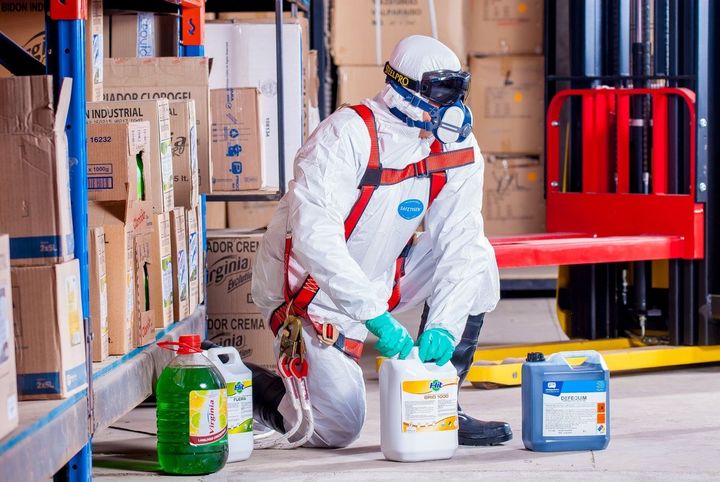
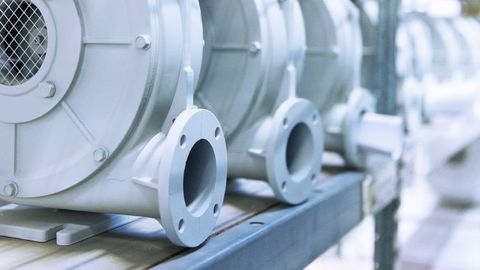
These chemicals exist because modern industries require standardized materials to create consistent, durable, and efficient products. From water treatment facilities to automotive production lines, industrial chemicals support daily operations across multiple sectors.
Common categories include:
-
Petrochemicals
-
Specialty chemicals
-
Agrochemicals
-
Polymers and resins
-
Industrial gases
-
Inorganic compounds
Industrial chemical manufacturing involves controlled processes such as synthesis, distillation, blending, and formulation. These operations follow chemical safety standards and regulatory compliance frameworks to reduce environmental impact and occupational risks.
A simplified classification overview is shown below:
| Category | Common Applications | Key Considerations |
|---|
| Petrochemicals | Plastics, fuels, synthetic fibers | Emission control, process safety |
| Specialty Chemicals | Electronics, coatings, additives | Precision formulation, quality |
| Agrochemicals | Crop protection, fertilizers | Environmental regulations |
| Industrial Gases | Healthcare, welding, food processing | Storage and pressure management |
| Inorganic Chemicals | Construction, water treatment | Hazardous materials management |
Industrial chemicals are regulated and monitored because improper handling can affect human health, ecosystems, and workplace safety.
Importance: Why Industrial Chemicals Matter Today
Industrial chemicals play a central role in global supply chains and infrastructure systems. They affect industries such as:
-
Automotive manufacturing
-
Pharmaceutical production
-
Construction and engineering
-
Renewable energy systems
-
Electronics and semiconductors
-
Agriculture and food processing
The topic matters because chemical risk assessment and environmental regulations are increasingly emphasized worldwide. Businesses must balance productivity with sustainability and safety.
Key reasons this field remains important:
-
Growing demand for sustainable chemistry solutions
-
Increasing focus on hazardous materials management
-
Rising environmental reporting standards
-
Expansion of renewable energy technologies
-
Advanced manufacturing processes requiring precision materials
Industrial chemicals also solve practical problems:
-
Water purification chemicals support clean water systems
-
Insulation materials improve energy efficiency
-
Battery materials support energy storage systems
-
Agricultural inputs help maintain crop yields
The global transition toward lower emissions and circular economy models has placed additional focus on green chemistry principles. Manufacturers are researching alternatives that reduce toxicity, energy consumption, and waste generation.Recent Updates: Industry Trends and Developments
Over the past year, several developments have shaped the industrial chemicals landscape.
In 2025, sustainability reporting requirements expanded in multiple regions. Environmental disclosure frameworks have required manufacturers to provide clearer documentation on carbon emissions, supply chain traceability, and chemical safety data.
There has also been growth in:
-
Bio-based chemical production
-
Carbon capture integration in chemical plants
-
Digital chemical inventory management systems
-
Automation and AI in chemical processing
The use of artificial intelligence for chemical process optimization has improved predictive maintenance and reduced operational risk. Digital twins are increasingly used in large-scale production facilities to simulate reactions and prevent failures.
Another noticeable trend is stricter monitoring of per- and polyfluoroalkyl substances (PFAS). Regulatory agencies in 2025 introduced tighter thresholds for certain persistent chemicals in water systems, prompting reformulation efforts.
A simplified trend comparison:
| Trend Area | 2024 Focus | 2025 Direction |
|---|
| Sustainability Reporting | Voluntary frameworks | Mandatory disclosures expanding |
| Digital Monitoring | Basic automation | AI-driven predictive systems |
| Chemical Substitution | Limited alternatives | Accelerated research in green chemistry |
| Environmental Testing | Periodic compliance checks | Continuous monitoring systems |
These updates reflect a broader shift toward transparency, compliance, and long-term environmental planning.Laws or Policies: Regulatory Frameworks and Compliance Standards
Industrial chemicals are subject to national and international regulations. These rules govern production, storage, transportation, labeling, and disposal.
Several major regulatory frameworks influence global chemical management:
-
The Environmental Protection Agency oversees environmental standards and chemical reporting requirements in the United States.
-
The European Chemicals Agency administers REACH regulations in the European Union.
-
The Occupational Safety and Health Administration establishes workplace chemical safety requirements.
-
The United Nations Environment Programme supports global chemical safety initiatives.
These policies often require:
-
Chemical hazard classification and labeling
-
Safety Data Sheets (SDS) documentation
-
Workplace exposure limits
-
Environmental emissions reporting
-
Proper hazardous waste disposal procedures
Compliance frameworks typically include:
-
Chemical risk assessment protocols
-
Environmental impact assessments
-
Process safety management standards
-
Transport regulations for dangerous goods
Organizations must maintain updated documentation and training programs to meet these obligations. Regulatory compliance is essential for maintaining operational continuity and minimizing environmental liabilities.
Tools and Resources: Practical Guidance for Chemical Management
Several tools and platforms assist professionals in maintaining chemical safety standards and regulatory compliance.
Useful resources include:
-
Safety Data Sheet databases for hazard identification
-
Chemical inventory management software
-
Environmental reporting platforms
-
Workplace safety compliance templates
-
Risk assessment calculators
Examples of recognized resources:
-
The Organisation for Economic Co-operation and Development chemical safety tools
-
The International Labour Organization occupational health guidelines
-
The World Health Organization chemical exposure resources
Many organizations use enterprise resource planning (ERP) systems integrated with chemical tracking modules. These systems help:
-
Monitor chemical storage levels
-
Track expiration dates
-
Maintain compliance documentation
-
Generate audit-ready reports
Digital dashboards are increasingly replacing manual logs, reducing human error and improving traceability across the chemical supply chain.
Frequently Asked Questions
What are industrial chemicals used for?
Industrial chemicals are used in manufacturing processes to produce materials such as plastics, coatings, fertilizers, pharmaceuticals, construction materials, and electronic components.
How are industrial chemicals regulated?
They are regulated through environmental regulations, workplace safety laws, and international agreements. Requirements typically include labeling standards, emissions limits, and documentation through safety data sheets.
What is chemical risk assessment?
Chemical risk assessment is the process of evaluating potential hazards associated with chemical exposure, including toxicity, environmental persistence, and workplace safety concerns.
What is sustainable chemistry?
Sustainable chemistry focuses on designing chemical processes and products that reduce environmental impact, minimize waste, and improve energy efficiency.
Why is hazardous materials management important?
Hazardous materials management helps prevent accidents, environmental contamination, and health risks by ensuring proper storage, transport, and disposal procedures.
Conclusion
Industrial chemicals form the foundation of modern manufacturing and infrastructure systems. They enable innovation across sectors including healthcare, renewable energy, construction, and agriculture. At the same time, their production and use require careful oversight through chemical safety standards, environmental regulations, and regulatory compliance frameworks.
Recent trends show increasing emphasis on sustainability reporting, digital process monitoring, and green chemistry research. Regulatory bodies worldwide continue to refine policies to address emerging environmental and health concerns.
Understanding industrial chemicals involves more than recognizing their applications. It requires awareness of safety practices, documentation requirements, and evolving global standards. With continued advancements in technology and sustainability practices, the industrial chemicals sector remains central to both economic development and environmental responsibility.