Industrial Valves Guide: Types, Manufacturing Process & Process Industry Applications
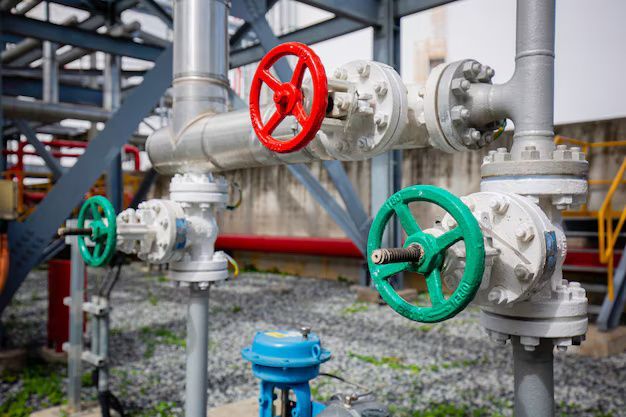
Industrial valves are mechanical devices used to regulate, direct, or control the movement of liquids, gases, steam, and other materials within piping systems. These components are commonly used in industries such as oil and gas, water treatment, chemical processing, power generation, food production, pharmaceuticals, and manufacturing plants. Industrial valve systems help manage pressure, flow rate, and fluid direction across different operational environments.
The history of industrial valves dates back to early water distribution systems and steam-powered machinery. Over time, valve technology evolved alongside industrial development, especially during the growth of large-scale manufacturing and energy production. Modern industrial valves now include automated controls, smart sensors, and corrosion-resistant materials designed for demanding industrial conditions.
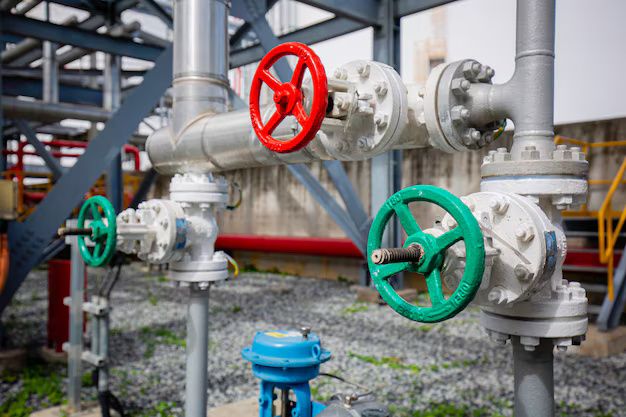
Industrial valve manufacturing involves several engineering stages, including material selection, casting or forging, machining, assembly, testing, and inspection. Different valve designs are developed for specific operational purposes, depending on pressure levels, temperature conditions, and the type of fluid moving through the system.
Common industrial valve categories include:
- Gate valves
- Globe valves
- Ball valves
- Butterfly valves
- Check valves
- Pressure relief valves
- Control valves
- Diaphragm valves
These valve systems are essential in maintaining safe and stable industrial operations across various sectors.
Importance
Industrial valves are important because they help control the movement of fluids within industrial pipelines and processing systems. Without proper valve systems, industries would face difficulties managing pressure, preventing leaks, and regulating production processes.
Flow and Pressure Control
One of the main functions of industrial valves is controlling fluid flow and pressure. Different valve types are designed to either fully stop flow, partially regulate movement, or automatically release excess pressure.
Examples include:
- Ball valves for quick shut-off operations
- Globe valves for flow regulation
- Pressure relief valves for system protection
- Butterfly valves for large pipeline control
These functions help maintain operational stability in industrial facilities.
Safety in Industrial Operations
Industrial valves help reduce operational risks by controlling hazardous or high-pressure materials. Many industrial systems handle steam, chemicals, fuel, and compressed gases that require controlled movement.
Valve systems support safety through:
- Emergency shut-off mechanisms
- Pressure release functions
- Leak prevention systems
- Flow isolation during maintenance
In sectors such as chemical manufacturing and energy production, valve reliability is closely connected to workplace safety and environmental protection.
Support for Continuous Production
Manufacturing plants and process industries often operate continuously for long periods. Industrial valves help maintain uninterrupted production by regulating pipeline systems and equipment operations.
Industries relying heavily on industrial valve systems include:
| Industry | Valve Application | Operational Purpose |
|---|---|---|
| Oil and Gas | Pipeline isolation | Fluid transport control |
| Water Treatment | Flow regulation | Water distribution management |
| Power Generation | Steam control | Turbine system operation |
| Food Processing | Sanitary flow systems | Product handling |
| Chemical Plants | Pressure management | Chemical processing |
Valve systems are integrated into automated production environments to support efficient industrial processes.
Infrastructure and Utility Systems
Industrial valves are also used in public infrastructure systems such as water supply networks, wastewater treatment plants, district cooling systems, and energy distribution facilities. These systems require controlled fluid movement to maintain operational reliability and environmental compliance.
Types of Industrial Valves
Different industrial valve types are designed for specific operational functions. Selecting the correct valve depends on pressure conditions, temperature ranges, fluid properties, and flow requirements.
Gate Valves
Gate valves are mainly used for starting or stopping fluid flow. They operate by lifting or lowering a gate inside the valve body. These valves are commonly installed in water pipelines, oil transport systems, and industrial utility networks.
Characteristics include:
- Straight-line fluid flow
- Low pressure drop
- Suitable for full open or closed positions
Globe Valves
Globe valves are designed for regulating fluid flow. Their internal structure allows operators to adjust flow levels more precisely compared to gate valves.
Common applications include:
- Steam systems
- Cooling water lines
- Industrial processing systems
These valves are often used where accurate flow control is required.
Ball Valves
Ball valves use a rotating ball with a hole through the center to control flow. They are widely used because of their simple design and fast shut-off capability.
Features include:
- Quick quarter-turn operation
- Strong sealing performance
- Compatibility with automated controls
Ball valves are common in gas pipelines and fluid transfer systems.
Butterfly Valves
Butterfly valves use a rotating disc to regulate fluid movement. These valves are commonly installed in large-diameter pipelines due to their compact structure and lightweight design.
Typical uses include:
- Water treatment facilities
- HVAC systems
- Industrial cooling networks
Check Valves
Check valves allow fluid to move in one direction while preventing reverse flow. These valves operate automatically without manual adjustment.
Applications include:
- Pump protection systems
- Pipeline backflow prevention
- Compressed air systems
Control Valves
Control valves are automated valves connected to monitoring systems and actuators. They help maintain pressure, temperature, and flow conditions within industrial processes.
Modern control valves often include:
- Digital controllers
- Position sensors
- Pneumatic or electric actuators
These systems are important in automated manufacturing and process control environments.
Manufacturing Process
Industrial valve manufacturing involves several technical stages designed to ensure durability, sealing performance, and operational safety.
Material Selection
The manufacturing process begins with selecting suitable materials based on operating conditions. Valve materials must resist corrosion, pressure stress, and temperature exposure.
Common materials include:
- Stainless steel
- Carbon steel
- Brass
- Bronze
- Cast iron
- Special alloy materials
Material selection depends on the intended industrial application.
Casting and Forging
Valve bodies are commonly produced using casting or forging methods.
- Casting involves pouring molten metal into molds
- Forging shapes heated metal under pressure
Forged valves are often used in high-pressure applications, while cast valves are common in general industrial systems.
Machining and Component Processing
After forming the valve body, machining equipment shapes internal surfaces, threads, and sealing areas. Precision machining is important for maintaining accurate valve dimensions and leak resistance.
Machining processes may include:
- CNC turning
- Milling
- Drilling
- Surface finishing
Assembly and Sealing
During assembly, internal valve components such as discs, stems, seats, seals, and actuators are installed. Proper sealing is essential for preventing leakage and maintaining operational efficiency.
Manufacturers often use:
- Rubber seals
- Metal seats
- Graphite packing materials
- PTFE sealing components
Testing and Inspection
Industrial valves undergo testing procedures before installation into industrial systems.
Common testing methods include:
- Pressure testing
- Leak testing
- Hydrostatic testing
- Dimensional inspection
- Material verification
Testing helps confirm compliance with operational standards and industrial safety requirements.
Recent Updates
Between 2024 and 2026, industrial valve manufacturing and process industry applications have experienced several technology-related developments.
Smart Valve Technology
Industrial facilities increasingly use smart valves connected to digital monitoring systems. These valves can transmit operational data to central control systems.
Features include:
- Real-time pressure monitoring
- Remote operation capability
- Predictive maintenance alerts
- Automated diagnostics
Smart valve systems are becoming more common in large industrial plants.
Growth of Industrial Automation
Automation trends continue influencing industrial valve systems. More facilities now use automated actuators and programmable control systems to improve operational consistency.
Automation developments include:
- Electric actuators
- Pneumatic valve controls
- Integrated process monitoring
- AI-assisted maintenance analysis
Corrosion-Resistant Materials
Manufacturers are developing valves using advanced alloys and protective coatings for aggressive industrial environments.
Industries driving this trend include:
- Chemical processing
- Offshore energy production
- Wastewater treatment
- Marine applications
These materials help improve long-term durability under challenging conditions.
Energy and Environmental Focus
Industrial facilities are also focusing on energy efficiency and emission management. Valve systems now play a role in reducing leakage, improving process efficiency, and supporting environmental compliance programs.
Laws or Policies
Industrial valve systems are regulated through engineering standards, environmental policies, and workplace safety regulations.
Safety Standards
Industrial valves used in pressure systems must comply with technical safety standards related to:
- Pressure containment
- Material strength
- Leak prevention
- Fire-safe operation
These standards help maintain safe industrial operations.
Environmental Regulations
Environmental policies may regulate valve performance in industries handling chemicals, fuel, steam, or wastewater.
Regulations often focus on:
- Emission control
- Leak reduction
- Waste management
- Fluid containment systems
Quality Certification
Industrial valve manufacturers commonly follow international quality management systems and inspection standards.
Certification areas may include:
- Material traceability
- Pressure testing procedures
- Manufacturing consistency
- Inspection documentation
Compliance requirements vary depending on industry sector and regional regulations.
Tools and Resources
Several digital tools and technical resources support industrial valve selection, monitoring, and maintenance activities.
Valve Sizing Software
Valve sizing tools help engineers calculate appropriate valve dimensions based on:
- Pressure conditions
- Flow rates
- Temperature ranges
- Pipe size
These tools assist in system planning and process optimization.
Industrial Monitoring Systems
Digital monitoring platforms track valve performance and pipeline conditions in real time.
Monitoring functions include:
- Flow measurement
- Pressure monitoring
- Leak detection
- Maintenance scheduling
Technical Standards and Databases
Engineering databases and industrial standards documents provide technical guidance for valve design and operation.
Resources may include:
- Material compatibility charts
- Pressure rating references
- Valve specification guides
- Maintenance documentation templates
FAQs
What are industrial valves used for?
Industrial valves are used to control the flow, pressure, and direction of liquids, gases, steam, and other materials within industrial piping systems.
Which industries use industrial valve systems?
Industries using industrial valve systems include oil and gas, water treatment, chemical processing, power generation, food production, pharmaceuticals, and manufacturing plants.
What is the difference between gate valves and globe valves?
Gate valves are mainly used for fully opening or closing fluid flow, while globe valves are designed for regulating and adjusting flow levels.
How are industrial valves manufactured?
Industrial valve manufacturing involves material selection, casting or forging, machining, assembly, sealing, testing, and inspection processes.
What are smart industrial valves?
Smart industrial valves are digitally connected valve systems that monitor pressure, flow conditions, and equipment status through automated control systems.
Conclusion
Industrial valves are important components in modern industrial infrastructure and process systems. They help regulate fluid movement, maintain operational safety, and support continuous manufacturing activities across multiple industries. Different valve types are designed for specific pressure, temperature, and flow conditions, making valve selection an important part of industrial engineering. Recent developments in automation, smart monitoring, and advanced materials continue shaping industrial valve manufacturing and process industry applications. Regulations and technical standards also influence how industrial valve systems are designed, tested, and maintained.