Important Facts About PLC Controllers and Their Role in Modern Manufacturing
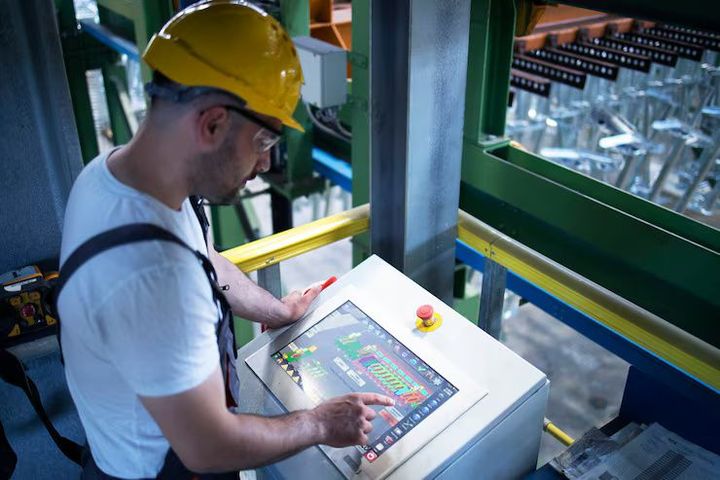
Programmable Logic Controllers, commonly known as PLC controllers, are industrial digital computers used to automate machines and manufacturing processes. These controllers are designed to monitor inputs, process programmed instructions, and control outputs in real time. PLCs are widely used because they provide reliable automation for repetitive and complex industrial operations.
Globally, the importance of PLC controllers has increased as industries continue to adopt automation and smart manufacturing systems. According to industry data, manufacturers are increasingly integrating programmable control systems to improve efficiency, reduce downtime, and enhance production accuracy. This trend reflects the broader movement toward connected and data-driven industrial environments.
In practical applications, PLC controllers manage equipment such as conveyor systems, robotic machines, packaging lines, and process control systems. Their ability to perform consistent operations with minimal manual intervention makes them essential for modern manufacturing. As industrial automation evolves, understanding PLC functions, components, and operational benefits becomes increasingly important for businesses and technical professionals.
Who It Affects & Problems It Solves
PLC controllers affect a wide global audience, including manufacturers, engineers, plant operators, maintenance teams, and automation specialists. Businesses that rely on automated production systems use PLCs to maintain stable operations and improve productivity. Technical students and professionals also benefit from understanding PLC systems as part of industrial engineering and automation studies.
Without automated control systems, industries may face challenges such as inconsistent machine operation, higher labor requirements, and slower production processes. Manual control methods can also increase the risk of operational errors and downtime. PLC controllers solve these problems by automating machine functions and ensuring precise, repeatable performance.
A common scenario involves production lines that rely heavily on manual switching and monitoring. This can lead to delays, inconsistent output, and increased maintenance demands. By integrating PLC controllers, organizations can automate workflows, reduce operational complexity, and improve efficiency. These advantages highlight the growing importance of PLC systems and naturally lead into recent developments in industrial automation.
Recent Updates
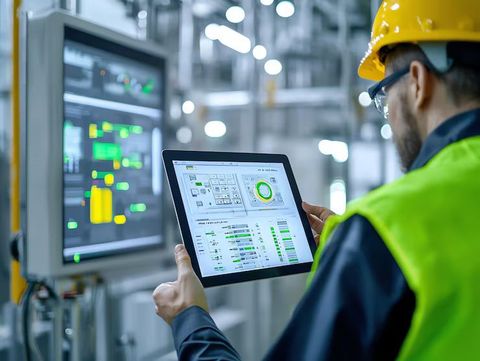
Over the past year, PLC technology has advanced significantly through improved connectivity and integration with industrial networks. Modern PLC systems are increasingly connected to centralized monitoring platforms, allowing operators to track machine performance and production data in real time.
Another important trend is the integration of PLC controllers with industrial internet and smart manufacturing technologies. Industry data suggests that connected automation systems are becoming more common as businesses seek greater visibility and control over operations. This integration improves predictive maintenance and operational planning.
Compact and modular PLC designs have also gained popularity. Manufacturers are developing controllers that occupy less space while offering expanded processing capabilities. These systems provide greater flexibility for both small and large industrial operations.
Additionally, cybersecurity has become a growing focus in PLC development. As industrial systems become more connected, organizations are implementing stronger security measures to protect automation networks and operational data. These developments highlight the evolving role of PLC controllers and lead into comparing different PLC types and functions.
Comparison Table
The table below compares common PLC controller types based on key operational characteristics and industrial applications.
| Parameter | Compact PLC | Modular PLC | Rack-Mounted PLC | Safety PLC |
|---|---|---|---|---|
| Size | Small | Expandable | Large | Moderate |
| Flexibility | Moderate | High | Very high | Moderate |
| Processing Power | Moderate | High | Very high | High |
| Application Scale | Small systems | Medium systems | Large facilities | Safety operations |
| Expansion Capability | Limited | High | Very high | Moderate |
| Installation Complexity | Low | Moderate | High | Moderate |
| Cost Level | Lower | Moderate | High | High |
| Maintenance | Simple | Moderate | Advanced | Moderate |
| Common Use | Basic automation | Flexible manufacturing | Complex operations | Hazard protection |
| Reliability | High | High | Very high | Very high |
The comparison shows that different PLC types are suited for different industrial environments. Compact PLCs are practical for smaller systems, while modular and rack-mounted PLCs support more advanced automation needs. Understanding these distinctions helps guide better system selection and leads into practical guidance.
Regulations & Practical Guidance
In most countries, PLC controllers and industrial automation systems are subject to electrical safety and operational standards. These standards typically focus on equipment reliability, electrical protection, and safe integration with industrial machinery. Following these guidelines helps organizations maintain safe and stable operations.
Globally, there is increasing emphasis on training and certification for professionals working with PLC systems. Operators and technicians are expected to understand programming, troubleshooting, and system maintenance to ensure reliable performance. Proper training also helps reduce operational errors and downtime.
Cybersecurity and data protection are becoming important considerations in industrial automation. Since PLC systems are often connected to larger industrial networks, organizations are implementing stronger protection measures to secure operational data and communication systems.
Which Option Suits Your Situation?
For small manufacturing operations or basic automation tasks, compact PLCs are often the most suitable choice. They provide reliable automation while remaining cost-effective and easy to maintain.
For businesses requiring flexible expansion and adaptable production systems, modular PLCs offer greater scalability. They are suitable for facilities where automation needs may grow over time.
For large industrial facilities with complex operations, rack-mounted PLCs provide advanced processing capabilities and support for multiple integrated systems. These controllers are designed for high-performance environments.
For operations involving hazardous machinery or strict safety requirements, safety PLCs are essential. They are specifically designed to manage emergency shutdowns and safety-related processes. Choosing the right PLC system depends on operational complexity, scalability, and safety requirements. These considerations naturally lead into useful tools and resources.
Tools & Resources
Several tools and resources can help individuals and businesses understand and manage PLC systems effectively.
PLC Programming Software — allows users to create, test, and modify automation logic.
Simulation Platforms — help users practice PLC operations in virtual industrial environments.
Automation Training Platforms — provide educational materials on industrial control systems.
Maintenance Management Tools — assist in tracking equipment performance and servicing schedules.
Industrial Monitoring Systems — provide real-time operational data and diagnostics.
Industry Communities — enable professionals to exchange automation knowledge and troubleshooting insights.
These resources support effective learning and system management, leading naturally into frequently asked questions.
Frequently Asked Questions
What is a PLC controller?
A PLC controller is an industrial digital computer used to automate machinery and manufacturing processes by monitoring inputs, processing instructions, and controlling outputs.
What industries commonly use PLC systems?
PLC systems are widely used in manufacturing, packaging, energy, transportation, and industrial processing industries where automation and process control are essential.
Are PLC controllers programmable?
Yes, PLC controllers are designed to be programmable. Operators and engineers can create custom logic and automation sequences based on operational requirements.
What is a common misconception about PLC controllers?
A common misconception is that PLCs are only suitable for large factories. In reality, PLC systems can also be used in smaller operations and basic automation applications.
How do businesses choose the right PLC controller?
Choosing the right PLC depends on factors such as system size, processing requirements, scalability, and safety needs. Evaluating these requirements helps ensure suitable automation performance.
Conclusion
PLC controllers are essential components of modern industrial automation, providing reliable and programmable control for manufacturing and process systems. Their ability to improve efficiency, consistency, and operational accuracy makes them valuable across many industries.
For most organizations, selecting the right PLC system involves balancing scalability, processing capability, and operational complexity. Careful planning and proper training can help maximize automation benefits and improve long-term performance.
As industrial technology continues to evolve globally, PLC controllers are expected to become more connected, intelligent, and adaptable, supporting the future growth of smart manufacturing systems.