Understanding Commercial Industrial Mixer Equipment
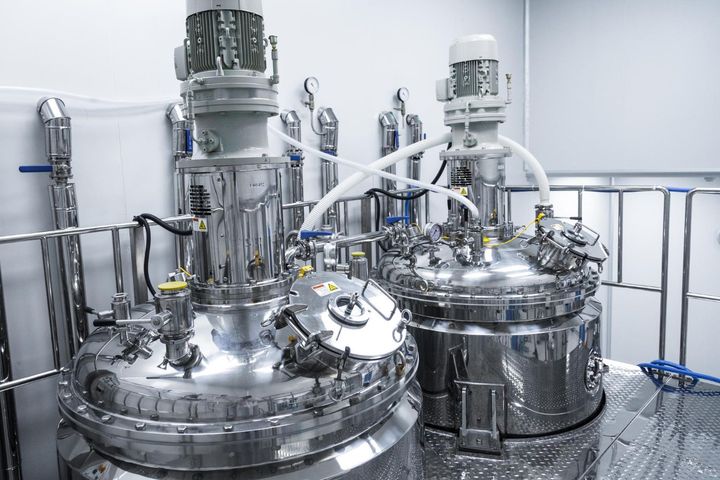
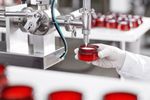
An industrial mixing machine is engineered to handle higher volumes, more complex materials, and continuous production cycles compared to standard mixers. From powders and liquids to viscous substances, these machines ensure uniform consistency and quality across batches.
The need for industrial mixer equipment emerged as manufacturing scaled up globally. Manual mixing or small machines could not meet the demand for precision, efficiency, and consistency. Today, advanced systems like the automatic industrial mixer machine and industrial homogenizer mixer are essential for modern production environments.
Importance – Why Industrial Mixing Equipment Matters Today
Industrial mixing plays a critical role in maintaining product quality, safety, and efficiency. As industries expand and regulatory standards tighten, the demand for reliable commercial industrial mixer systems continues to grow.
This topic is important because:
-
It directly affects manufacturing efficiency and product consistency
-
It supports industries like food, chemicals, and pharmaceuticals
-
It reduces human error through automation and precision
-
It helps meet hygiene and safety standards using stainless steel industrial mixer designs
Problems it helps solve include:
-
Inconsistent product quality due to uneven mixing
-
Time-consuming manual processes
-
Contamination risks in sensitive industries
-
Inefficient batch production
For example, in chemical processing, an industrial mixer for chemicals ensures proper blending of reactive materials, minimizing risks and improving safety outcomes.
Types – Different Types of Industrial Mixer Equipment
There are several types of industrial mixing systems, each designed for specific materials and processes.
Common Types Include:
-
Industrial Planetary Mixer
Ideal for thick and viscous materials. The mixing blades rotate on their own axis while orbiting the bowl, ensuring thorough mixing.
-
Industrial Ribbon Blender Mixer
Commonly used for dry powders and granules. The ribbon blades move materials in opposite directions for uniform blending.
-
Industrial Homogenizer Mixer
Designed to create fine emulsions and dispersions, often used in food and pharmaceutical industries.
-
Industrial Batch Mixer
Operates in cycles, mixing a fixed quantity of material before discharging. Suitable for controlled production processes.
-
Automatic Industrial Mixer Machine
Features programmable controls, reducing manual intervention and improving efficiency.
-
Stainless Steel Industrial Mixer
Widely used in hygiene-sensitive industries due to corrosion resistance and easy cleaning.
Comparison Table:
| Mixer Type | Best For | Key Feature |
|---|
| Ribbon Blender Mixer | Dry powders | Uniform blending |
| Planetary Mixer | Thick materials | Multi-directional mixing |
| Homogenizer Mixer | Liquids/emulsions | Fine particle distribution |
| Batch Mixer | Controlled production | Fixed quantity processing |
| Automatic Mixer Machine | Large-scale operations | Programmable automation |
Benefits and Applications
Industrial mixing equipment provides several operational and technical advantages.
Key Benefits:
-
Consistent product quality across batches
-
Reduced processing time
-
Improved energy efficiency in modern systems
-
Enhanced safety with automated controls
-
Hygienic design, especially in stainless steel industrial mixer units
Applications Across Industries:
-
Food Industry: Mixing dough, sauces, and beverages
-
Pharmaceuticals: Blending powders and active ingredients
-
Chemicals: Processing liquids and reactive compounds using an industrial mixer for chemicals
-
Cosmetics: Creating creams, gels, and lotions
-
Construction: Mixing cement, adhesives, and coatings
Example Workflow Table:
| Industry | Material Type | Mixer Used |
|---|
| Food | Dough | Industrial Planetary Mixer |
| Pharma | Powder blends | Industrial Batch Mixer |
| Chemicals | Liquid compounds | Industrial Homogenizer Mixer |
| Cosmetics | Creams | Automatic Industrial Mixer |
Top 5 Leading Provider Company Names
Several global companies are known for manufacturing advanced industrial mixing machine systems. These organizations focus on innovation, durability, and compliance with industry standards.
-
GEA Group
-
SPX FLOW
-
Silverson Machines
-
Charles Ross & Son Company
-
EKATO Group
These companies contribute to advancements in mixing technologies, including automation and energy-efficient designs.
Recent Updates – Trends and Developments (2025–2026)
The industrial mixing sector has seen several notable developments in the past year.
Key Trends:
-
Automation and Smart Controls (2025):
Increased adoption of IoT-enabled automatic industrial mixer machine systems for real-time monitoring.
-
Energy Efficiency Improvements (2025):
New designs focus on reducing power consumption without compromising performance.
-
Sustainability Initiatives (2026):
Manufacturers are developing mixers that minimize material waste and support eco-friendly production.
-
Hygienic Design Enhancements (Late 2025):
Growth in demand for stainless steel industrial mixer systems with improved clean-in-place (CIP) features.
-
Customization and Modular Systems (2026):
Industries now prefer adaptable mixers tailored to specific production needs.
Laws or Policies – Regulatory and Compliance Factors
Industrial mixer equipment is influenced by various regulations depending on the country and industry.
In India:
-
Bureau of Indian Standards (BIS):
Sets quality and safety standards for industrial machinery.
-
Food Safety and Standards Authority of India (FSSAI):
Requires hygienic equipment for food processing applications.
-
Environmental Regulations:
Govern energy usage and emissions in manufacturing processes.
-
Factory Act Compliance:
Ensures worker safety when operating heavy equipment like an industrial batch mixer.
Global Standards:
-
ISO certifications for quality and safety
-
GMP (Good Manufacturing Practices) in pharmaceuticals
-
CE marking for European compliance
These regulations ensure that industrial mixer equipment meets safety, hygiene, and environmental standards.
Tools and Resources – Helpful Platforms and Solutions
Several tools and resources support businesses and professionals working with industrial mixers.
Useful Tools:
-
Process simulation software for mixing optimization
-
CAD tools for equipment design
-
Maintenance management systems for industrial machinery
-
Energy consumption calculators for efficiency analysis
Online Resources:
-
Industry association websites
-
Technical manuals and whitepapers from manufacturers
-
Government regulatory portals
-
Engineering forums and knowledge platforms
These resources help users understand, maintain, and optimize industrial mixing machine operations.
FAQs – Common Questions About Industrial Mixer Equipment
What is industrial mixer equipment used for?
It is used to blend, mix, or homogenize materials in large-scale manufacturing across industries like food, chemicals, and pharmaceuticals.
What is the difference between a batch mixer and a continuous mixer?
A batch mixer processes a fixed amount of material at a time, while a continuous mixer operates without interruption for ongoing production.
Why is stainless steel used in industrial mixers?
A stainless steel industrial mixer offers durability, corrosion resistance, and easy cleaning, making it suitable for hygienic applications.
How does an industrial homogenizer mixer work?
It uses high pressure and mechanical force to break down particles, creating a uniform mixture or emulsion.
Are automatic industrial mixer machines more efficient?
Yes, automation reduces manual intervention, improves accuracy, and enhances overall production efficiency.
Conclusion
Commercial industrial mixer equipment plays a vital role in modern manufacturing by ensuring consistent quality, efficiency, and safety. From industrial ribbon blender mixer systems for powders to advanced industrial homogenizer mixer solutions for liquids, these machines support a wide range of industries.
With ongoing advancements in automation, energy efficiency, and sustainability, the future of industrial mixing machine technology continues to evolve. Understanding the types, applications, and regulatory requirements helps businesses make informed decisions and maintain high production standards.
Disclaimer: Any references to operational efficiency or equipment performance are general information only and may vary depending on usage, configuration, and industry-specific requirements. No pricing or commercial guarantees are included, as these depend on multiple external factors.