Heat Treatment Equipment for Metal Manufacturing: Technologies, Processes, and Industrial Insights
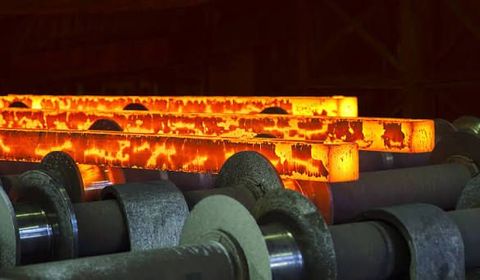
Heat treatment is an important manufacturing process used in various industries to alter the physical and mechanical properties of metals and alloys. Through controlled heating and cooling cycles, manufacturers can influence characteristics such as hardness, strength, toughness, wear resistance, and structural performance.
Heat treatment equipment forms a critical part of metal manufacturing operations and is widely used in industries including automotive, aerospace, construction, energy, heavy machinery, and industrial production.
This article explores heat treatment technologies, equipment categories, industrial processes, and manufacturing trends from an educational perspective without recommending any specific machine, supplier, or industrial solution.
What Is Heat Treatment?
Heat treatment refers to a controlled industrial process involving heating and cooling materials under specific conditions.
The process is commonly associated with:
- Metallurgical processing
- Material property modification
- Manufacturing operations
- Industrial production
- Component processing
- Quality enhancement
Different heat treatment methods are used depending on material requirements and production objectives.
Why Heat Treatment Is Important
Manufacturers utilize heat treatment processes to support various production goals.
Common objectives include:
- Improving material properties
- Enhancing durability characteristics
- Supporting manufacturing requirements
- Optimizing structural performance
- Increasing wear resistance
- Improving machinability
The exact outcome depends on material composition, process controls, and operating conditions.
Major Categories of Heat Treatment Equipment
Industrial heat treatment facilities may use various equipment types.
Common categories include:
- Industrial furnaces
- Vacuum furnaces
- Induction heating systems
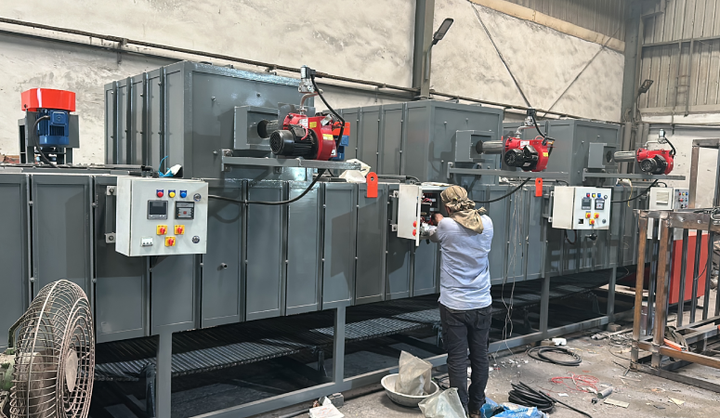
- Continuous heat treatment lines
- Batch processing furnaces
- Controlled atmosphere systems
Each category is designed for specific manufacturing environments and process requirements.
Industrial Furnaces
Industrial furnaces are among the most commonly used heat treatment systems.
Typical applications include:
- Metal processing
- Component manufacturing
- Material conditioning
- Thermal processing
Furnaces may operate using different energy sources and temperature ranges depending on industrial requirements.
Vacuum Furnace Technology
Vacuum furnaces operate within controlled low-pressure environments.
Commonly discussed benefits include:
- Controlled processing conditions
- Reduced contamination exposure
- Specialized material applications
- Precision manufacturing environments
Vacuum technologies are frequently used in advanced manufacturing sectors.
Induction Heating Equipment
Induction heating systems utilize electromagnetic principles to generate heat within conductive materials.
Applications may include:
- Surface treatment processes
- Component heating
- Metal processing operations
- Industrial manufacturing
Induction systems are widely discussed for their precision and process control capabilities.
Continuous Heat Treatment Systems
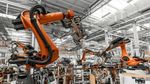
Continuous systems are designed to process materials through automated production lines.
Characteristics often include:
- High-volume processing
- Automated material movement
- Consistent operating conditions
- Production efficiency support
These systems are commonly found in large-scale manufacturing environments.
Batch Heat Treatment Equipment
Batch processing systems handle materials in separate production cycles.
Common applications include:
- Small production runs
- Specialized components
- Diverse material processing
- Flexible manufacturing environments
Batch systems remain widely used across many industries.
Common Heat Treatment Processes
Heat treatment encompasses multiple industrial processes.
Examples include:
- Annealing
- Normalizing
- Hardening
- Tempering
- Case hardening
- Stress relieving
Each process involves different temperature ranges and cooling methods.
Annealing Process
Annealing is commonly associated with:
- Material conditioning
- Structural refinement
- Manufacturing preparation
- Metallurgical processing
Specific process parameters vary according to material and application requirements.
Hardening and Tempering
Hardening and tempering are frequently discussed in relation to:
- Mechanical property modification
- Industrial manufacturing
- Component production
- Material engineering
These processes play a significant role in many metalworking industries.
Controlled Atmosphere Technology
Controlled atmosphere systems help regulate environmental conditions during processing.
Examples include:
- Gas-controlled environments
- Oxygen management systems
- Process atmosphere monitoring
- Thermal environment control
These technologies support consistency in manufacturing operations.
Automation in Heat Treatment
Industrial automation continues transforming manufacturing processes.
Examples include:
- Automated furnace controls
- Digital process monitoring
- Temperature management systems
- Production tracking software
- Industrial analytics platforms
Automation technologies support operational efficiency and process consistency.
Temperature Monitoring and Process Control
Accurate temperature management is essential in heat treatment operations.
Common technologies include:
- Sensors
- Monitoring systems
- Data acquisition platforms
- Process control software
- Industrial instrumentation
These systems help support controlled manufacturing environments.
Energy Efficiency and Sustainability
Manufacturers increasingly focus on energy management within thermal processing operations.
Areas of interest include:
- Energy-efficient furnace designs
- Heat recovery systems
- Resource optimization
- Process efficiency improvements
- Emissions reduction initiatives
Sustainability considerations continue influencing industrial equipment development.
Digital Manufacturing and Industry 4.0
Heat treatment operations are increasingly connected to broader digital manufacturing strategies.
Examples include:
- Industrial Internet of Things (IIoT)
- Smart factory systems
- Connected equipment monitoring
- Predictive maintenance technologies
- Manufacturing analytics
Digital transformation continues shaping industrial operations worldwide.
Examples of Industry Participants
The heat treatment industry includes equipment manufacturers, industrial technology companies, metallurgical solution providers, and furnace developers.
Examples frequently referenced in industry discussions include:
These companies are mentioned solely as examples of participants within the industrial heat treatment sector. Their inclusion does not constitute endorsements, recommendations, rankings, reviews, or purchasing guidance.
Industry Trends in 2026
Several developments continue influencing heat treatment technologies.
Current trends include:
- Smart furnace technologies
- Advanced process controls
- Industrial automation integration
- Predictive maintenance systems
- Energy-efficient thermal processing
- Digital manufacturing platforms
- Data-driven quality management
- Sustainable production initiatives
These trends reflect broader advancements within modern manufacturing industries.
Frequently Asked Questions
What is heat treatment?
Heat treatment is a controlled manufacturing process involving heating and cooling materials to influence specific material properties.
What equipment is used for heat treatment?
Common equipment includes industrial furnaces, vacuum furnaces, induction heating systems, batch processors, and continuous production systems.
Why is temperature control important?
Temperature management helps support process consistency and manufacturing requirements during thermal processing operations.
What is induction heating?
Induction heating uses electromagnetic principles to generate heat within conductive materials.
How is automation changing heat treatment?
Automation supports process monitoring, temperature control, production tracking, and operational efficiency improvements.
Conclusion
Heat treatment equipment remains an essential component of modern metal manufacturing. From industrial furnaces and vacuum systems to induction heating technologies and automated production lines, these systems support a wide range of manufacturing processes across numerous industries.
As digital manufacturing, automation, process analytics, and sustainability initiatives continue advancing throughout 2026 and beyond, understanding heat treatment technologies provides valuable insight into the evolving world of industrial production and metallurgical engineering.
Disclaimer
This article is intended solely for informational and educational purposes. It does not provide engineering, technical, manufacturing, operational, safety, financial, purchasing, investment, or professional advice. It does not endorse, recommend, compare, rank, review, or promote any equipment manufacturer, furnace system, heat treatment process, or industrial technology. Company names are included only as examples of participants within the industrial manufacturing sector. Readers should consult qualified engineers, metallurgical specialists, equipment manufacturers, and industrial professionals regarding specific manufacturing processes, operational requirements, safety standards, and equipment-related decisions.

You May Also Like