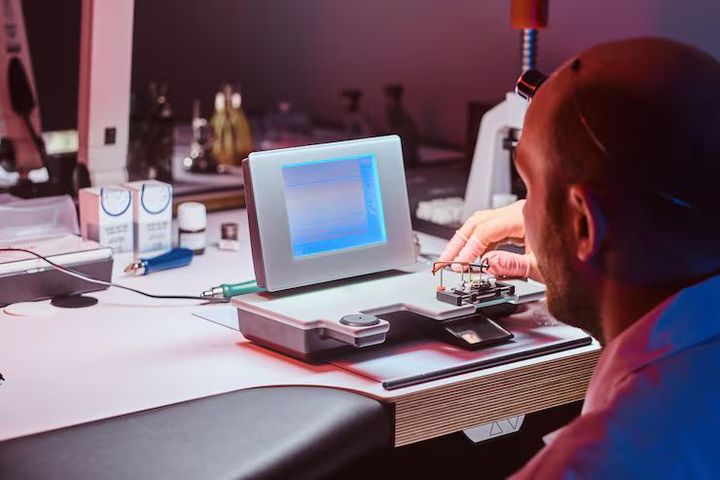
Hardness Testing Machine: Essential Knowledge for Quality Assessment
A hardness testing machine is an essential piece of material testing equipment used to determine the resistance of a material to indentation, scratching, penetration, or deformation. Hardness is one of the most important mechanical properties evaluated in manufacturing, engineering, metallurgy, automotive production, aerospace development, construction, and research laboratories.
Manufacturers rely on hardness testing to verify material quality, ensure compliance with industry standards, and maintain product reliability. By measuring hardness, organizations can assess whether a material possesses the required strength, durability, and wear resistance for its intended application.
Understanding the Purpose of Hardness Testing
Hardness testing helps engineers and quality control professionals determine how a material will perform under mechanical stress. Materials with inadequate hardness may wear out quickly, while excessively hard materials can become brittle and susceptible to cracking.
The testing process provides valuable information for:
Material quality verification
Production process monitoring
Heat treatment evaluation
Wear resistance assessment
Product durability analysis
Compliance with engineering standards
Failure investigation and analysis
Industries use hardness testing throughout manufacturing cycles to ensure consistent product performance and reliability.
How a Hardness Testing Machine Works
A hardness testing machine applies a controlled force to the surface of a test specimen using a specific indenter. The machine then measures either the depth or size of the resulting indentation.
The measurement is converted into a hardness value according to standardized testing methods.
The general testing procedure includes:
Preparing the test specimen
Selecting the testing method
Applying a specified load
Creating an indentation
Measuring indentation characteristics
Calculating the hardness value
Recording and analyzing results
Modern systems automate many of these steps, improving accuracy and repeatability.
Major Hardness Testing Methods
| Testing Method | Indenter Type | Common Applications | Typical Materials |
|---|---|---|---|
| Rockwell | Diamond cone or steel ball | Production environments | Metals and alloys |
| Brinell | Hardened steel or carbide ball | Large components | Castings and forgings |
| Vickers | Diamond pyramid | Precision testing | Thin materials and coatings |
| Knoop | Elongated diamond | Microhardness testing | Ceramics and coatings |
| Shore | Spring-loaded indenter | Elastomers and plastics | Rubber and polymers |
Each method is designed for specific materials, sample sizes, and testing requirements.
Main Components of a Hardness Testing Machine
Indenter System
- The indenter is the component that contacts the material surface.
- Different testing methods use different indenter shapes and materials.
- This system applies a controlled force to ensure consistent testing conditions and accurate results.
- The support table holds the sample securely during testing and minimizes movement.
- Modern machines use optical sensors, digital cameras, or depth-measurement technology to evaluate indentation characteristics.
- Digital interfaces allow operators to configure testing parameters, monitor results, and store data.
- Advanced machines can generate reports, store historical records, and integrate with quality management systems.
Types of Hardness Testing Machines
Bench-Top Hardness Testers
- These machines are commonly used in laboratories and quality control departments for routine testing.
- Portable systems enable on-site testing of large structures and installed equipment.
- Automation improves productivity and reduces operator influence on measurements.
- These machines evaluate very small samples, thin coatings, and microscopic material structures.
- Universal systems support multiple testing methods within a single machine.
Importance in Modern Manufacturing
Hardness testing plays a critical role in ensuring product quality and operational reliability.
Benefits include:
Improved quality control
Consistent material performance
Reduced manufacturing defects
Better process optimization
Enhanced product durability
Regulatory compliance support
Increased production efficiency
Without hardness verification, manufacturers may encounter premature component failures, increased maintenance requirements, and reduced product lifespan.
Real-World Applications
Automotive Industry
Automotive manufacturers test gears, shafts, engine components, bearings, and structural parts to ensure durability and performance.
Aerospace Engineering
Aircraft components require precise hardness verification to maintain safety and reliability standards.
Metal Processing
Metal producers use hardness testing to evaluate heat treatment effectiveness and material consistency.
Construction Sector
Construction materials, structural steel, and reinforcement components undergo hardness evaluation for quality assurance.
Energy Industry
Power generation equipment, pipelines, turbines, and drilling tools rely on hardness testing to assess wear resistance.
Medical Manufacturing
Medical devices and surgical instruments require hardness verification to maintain performance and durability.
Problems Solved by Hardness Testing Machines
Hardness testing machines help organizations address several common manufacturing challenges.
Material Inconsistency
Testing identifies variations in material properties before products reach end users.
Heat Treatment Verification
Manufacturers can confirm whether hardening, tempering, or other thermal processes achieved desired results.
Wear Resistance Assessment
Testing predicts how materials will perform in demanding operating conditions.
Failure Prevention
Potential defects can be detected early, reducing the likelihood of equipment breakdowns.
Quality Assurance
Routine testing ensures products meet established specifications and engineering requirements.
Industry Standards and Regulations
Hardness testing is governed by internationally recognized standards that promote consistency and accuracy.
Common standards include:
ASTM E18 for Rockwell hardness testing
ASTM E10 for Brinell hardness testing
ASTM E384 for microhardness testing
ISO 6506 for Brinell testing
ISO 6507 for Vickers testing
ISO 6508 for Rockwell testing
Organizations operating in highly regulated industries often incorporate these standards into quality management systems.
Recent Developments and Industry Trends (2025–2026)
Several advancements have influenced hardness testing technology during 2025 and 2026.
AI-Assisted Analysis
Manufacturers increasingly use artificial intelligence to automate indentation recognition and improve measurement consistency.
Smart Factory Integration
Testing systems are becoming connected with Industrial IoT platforms for real-time quality monitoring and production analytics.
Automated Reporting
Digital reporting tools now streamline documentation and traceability requirements.
Enhanced Optical Systems
Higher-resolution imaging technology improves measurement precision, especially in microhardness applications.
Cloud-Based Data Management
Organizations increasingly store testing records in centralized digital environments for easier access and analysis.
These developments support modern manufacturing initiatives focused on automation, data-driven decision-making, and quality improvement.
Useful Tools and Learning Resources
Professionals interested in hardness testing can explore:
ASTM material testing standards
ISO testing standards
Metallurgical engineering textbooks
Materials science learning platforms
Industrial quality control publications
Manufacturing engineering journals
Non-destructive testing resources
Industrial automation training programs
These resources help engineers and technicians expand their understanding of material characterization and testing technologies.
Frequently Asked Questions
What is a hardness testing machine used for?
A hardness testing machine measures a material's resistance to indentation, penetration, or deformation, helping assess quality and performance.
Which hardness testing method is most commonly used?
Rockwell testing is widely used in manufacturing because it provides fast and reliable measurements for many metal materials.
Why is hardness important in engineering?
Hardness influences wear resistance, durability, strength, and overall product performance in various operating conditions.
Can hardness testing damage a material?
Most hardness tests create small indentations. In many industrial applications, these marks are minimal and acceptable for quality evaluation.
What industries commonly use hardness testing machines?
Automotive, aerospace, construction, manufacturing, energy, medical device production, and research laboratories regularly use hardness testing equipment.
Conclusion
Hardness testing machines are fundamental tools for evaluating material performance, ensuring product quality, and supporting manufacturing consistency. By accurately measuring resistance to deformation, these machines help organizations verify material properties, optimize production processes, and reduce the risk of product failure.
From traditional Rockwell and Brinell systems to advanced automated and AI-assisted platforms, hardness testing technology continues to evolve alongside modern industrial requirements. As manufacturing becomes increasingly data-driven and connected, hardness testing remains a critical component of quality assurance, engineering validation, and material performance assessment across industries worldwide.