Guide On Chillers For Homes, Buildings, And Industry
Chillers play a major role in modern cooling systems. From residential apartments and office towers to factories and data centers, chillers help maintain comfortable temperatures and stable operating conditions. As global temperatures rise and energy efficiency becomes more important, advanced cooling technology has become a major topic in the HVAC industry.
Many people hear terms like industrial chillers, HVAC chillers, water-cooled systems, and commercial cooling equipment without fully understanding how these systems work. This guide explains chillers in simple language while covering their applications, benefits, energy-saving features, and industry trends.
What Is A Chiller?
A chiller is a cooling system that removes heat from water or another liquid through a refrigeration cycle. The cooled liquid is then circulated through pipes and equipment to cool buildings, machinery, or industrial processes.
Chillers are commonly used in:
- Residential buildings
- Hospitals
- Shopping malls
- Hotels
- Manufacturing plants
- Pharmaceutical facilities
- Data centers
- Food processing industries
In simple terms, chillers transfer unwanted heat away from a space or machine.
How Chillers Work
Most chillers work using four major components:
Compressor:The compressor increases the pressure of refrigerant gas and moves it through the system.
Condenser:The condenser releases heat collected from indoor spaces or industrial equipment.
Expansion Valve:This component reduces refrigerant pressure and prepares it for cooling.
Evaporator
The evaporator absorbs heat from water or air, creating the cooling effect.
This refrigeration cycle repeats continuously to maintain stable temperatures.
Types Of Chillers
Different environments require different cooling systems. The most common types include air-cooled chillers and water-cooled chillers.
Air-Cooled Chillers
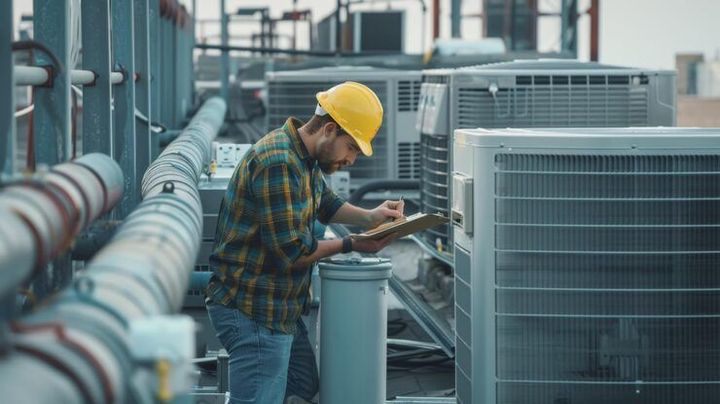
Air-cooled chillers use fans to release heat into the outdoor air. These systems are popular in commercial buildings and medium-sized facilities because installation is simpler.
Advantages include:
- Easier maintenance
- Lower water usage
- Compact installation
- Suitable for warm climates
These systems are often found in office buildings, schools, and retail centers.
Water-Cooled Chillers
Water-cooled chillers use cooling towers to remove heat. They are usually more energy efficient for large-scale operations.
Common applications include:
- Industrial manufacturing
- Large hospitals
- Airports
- High-rise buildings
- Data centers
Although these systems require more infrastructure, they often deliver better long-term energy performance.
Absorption Chillers
Absorption chillers use heat energy instead of electricity to produce cooling. They are commonly used in facilities that already generate excess heat, such as industrial plants and power stations.
These systems support sustainable energy strategies and lower electrical demand.
Residential Chillers For Homes
Homeowners are increasingly exploring residential chillers as climate conditions become more extreme. Luxury homes, smart homes, and energy-efficient housing projects often include advanced cooling systems.
Residential chillers may support:
- Central air conditioning
- Radiant floor cooling
- Smart temperature control
- Eco-friendly cooling systems
Modern residential HVAC systems focus heavily on energy efficiency and indoor comfort. Variable-speed compressors and inverter technology help reduce electricity consumption while maintaining stable cooling performance.
Commercial Building Cooling Systems
Commercial buildings require powerful cooling systems because they generate large amounts of indoor heat from lighting, electronics, elevators, and human activity.
Commercial HVAC chillers are widely used in:
- Corporate offices
- Shopping centers
- Educational campuses
- Hotels
- Healthcare facilities
Building managers now prioritize energy management systems and intelligent automation. Smart chillers can monitor cooling demand in real time and optimize performance automatically.
According to global HVAC market trends, energy-efficient cooling technology is becoming one of the fastest-growing segments in commercial infrastructure.
Industrial Chillers And Manufacturing
Industrial chillers are critical in manufacturing and processing industries. Many machines generate large amounts of heat during operation, and excessive heat can damage equipment or reduce production quality.
Industrial chillers help regulate temperatures in:
- Plastic injection molding
- Laser cutting systems
- Chemical processing
- Food production
- Pharmaceutical manufacturing
- Printing operations
Temperature control is especially important in industries where precision and product consistency matter.
For example, pharmaceutical production facilities often rely on strict temperature management to maintain product stability and safety standards.
Energy Efficiency And Sustainability
Energy efficiency has become one of the biggest priorities in the cooling industry. Chillers can account for a significant portion of electricity consumption in large buildings.
New technologies are helping reduce energy usage through:
- Variable frequency drives
- Smart sensors
- Automated controls
- Magnetic bearing compressors
- Eco-friendly refrigerants
Green building certifications and environmental regulations are also influencing chiller design worldwide.
Low-global-warming-potential refrigerants are becoming increasingly popular as governments encourage environmentally responsible HVAC solutions.
Smart Cooling Technology Trends
The cooling industry is rapidly evolving with smart automation and artificial intelligence integration.
Modern chillers now support:
- Remote monitoring
- Predictive maintenance
- Cloud-based energy analytics
- Automated fault detection
- IoT connectivity
These technologies help facility managers reduce downtime and improve operational efficiency.
Predictive maintenance is especially valuable because it identifies potential system failures before major breakdowns occur. This reduces repair interruptions and improves equipment lifespan.
Common Chiller Problems
Like any HVAC equipment, chillers can experience operational issues over time.
Common problems include:
- Refrigerant leaks
- Dirty condenser coils
- Poor water flow
- Compressor overheating
- Sensor malfunctions
- Scale buildup
Routine inspections and preventive maintenance help maintain system efficiency and reliability.
Facilities that operate chillers continuously often use digital monitoring systems to track performance indicators and energy consumption.
Choosing The Right Chiller
Selecting the right chiller depends on several factors:
Cooling Capacity
Larger buildings and industrial facilities require higher cooling loads.
Climate Conditions
Hot and humid environments may influence the choice between air-cooled and water-cooled systems.
Energy Efficiency Goals
Organizations focused on sustainability often prioritize high-efficiency cooling technologies.
Installation Space
Available space affects equipment design and placement options.
Operational Requirements
Industrial facilities may need specialized chillers for process cooling applications.
Careful system planning helps improve long-term reliability and operational performance.
Future Of Chiller Technology
The future of chiller systems is closely tied to energy efficiency, smart infrastructure, and environmental sustainability.
Industry experts expect continued growth in:
- AI-powered HVAC systems
- Green refrigerant technology
- Smart building integration
- Renewable energy cooling systems
- High-efficiency industrial chillers
As global energy demands increase, efficient cooling systems will remain essential for homes, commercial properties, and industrial operations.