Table of Contents

Eyeglass Lens Manufacturing Guide: Equipment Types, Precision Technology, and Industry Trends

Eyeglass Lens Manufacturing Guide: Equipment Types, Precision Technology, and Industry Trends

Eyeglass lenses are among the most precisely manufactured consumer optical products. Modern lens production combines advanced materials, computer-controlled machinery, digital measurement systems, and quality control technologies to create lenses that meet exact optical specifications.

From prescription lenses and progressive lenses to specialty coatings and high-performance optical products, the eyewear industry relies on sophisticated manufacturing equipment to ensure accuracy, consistency, and visual performance.

This guide explores eyeglass lens manufacturing processes, equipment categories, precision technologies, quality assurance systems, and industry developments from an educational perspective. It does not provide medical, optometric, engineering, purchasing, regulatory, financial, or professional advice.

Understanding Eyeglass Lens Manufacturing

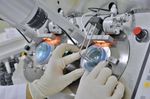
Eyeglass lens manufacturing involves transforming optical materials into finished lenses designed for vision correction, protection, or specialized optical applications.

The production process may include:

  • Material preparation
  • Lens surfacing
  • Precision shaping
  • Polishing
  • Coating application
  • Inspection and testing
  • Packaging

Specific procedures vary according to lens type and manufacturing technology.

Evolution of Lens Manufacturing Technology

Lens production has evolved significantly over the decades.

Major advancements include:

  • Computer-controlled surfacing
  • Digital lens design
  • Automated inspection systems
  • Precision polishing technologies
  • Advanced optical coatings
  • Smart manufacturing systems

These innovations continue improving lens accuracy and production efficiency.

Common Lens Materials

Modern lenses are manufactured using various materials.

Examples may include:

  • Optical plastics
  • Polycarbonate materials
  • High-index materials
  • Specialty optical compounds
  • Advanced lightweight materials

Material selection depends on intended optical characteristics and performance requirements.

Lens Design and Digital Modeling

Production typically begins with digital lens design.

Computer systems may assist with:

  • Prescription calculations
  • Lens geometry design
  • Optical simulations
  • Surface optimization
  • Manufacturing instructions

Digital workflows have become increasingly important in modern lens production.

Optical Surfacing Machines

Surfacing equipment is one of the most critical components in lens manufacturing.

Functions may include:

  • Material shaping
  • Curvature generation
  • Prescription creation
  • Surface refinement

Modern surfacing systems often utilize computer-controlled precision technologies.

CNC Lens Generators

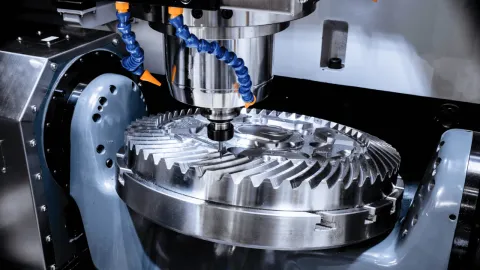
Computer Numerical Control (CNC) generators are widely used in lens production facilities.

Potential capabilities include:

  • Automated shaping
  • Precision cutting
  • Digital design implementation
  • High-accuracy manufacturing

CNC technologies help support consistent production quality.

Freeform Lens Manufacturing

Freeform technology has become an important advancement within the optical industry.

Benefits may include:

  • Customized lens designs
  • Enhanced precision
  • Complex optical geometries
  • Digital production workflows

Freeform manufacturing continues influencing modern prescription lens production.

Precision Optics and Lens Formation

The performance of eyeglass lenses depends heavily on precise optical geometry.

Manufacturing objectives often focus on:

  • Accurate curvature
  • Optical clarity
  • Dimensional consistency
  • Surface smoothness

Precision technology plays a central role throughout production.

Lens Polishing Equipment

After surfacing, lenses typically undergo polishing processes.

Polishing equipment may support:

  • Surface refinement
  • Optical clarity enhancement
  • Smooth finishing
  • Quality improvement

The polishing stage contributes significantly to final lens performance.

Optical Principles Behind Lens Manufacturing

Lens production relies on precise control of light refraction and image formation.

The relationship between focal length, object distance, and image distance is central to lens design:


1f=1do+1di\frac{1}{f} = \frac{1}{d_o} + \frac{1}{d_i}
116=132+132\frac{1}{16}=\frac{1}{32}+\frac{1}{32}
dod_o
cm
ff
cm
FFconverging lensd_i = 32 | m = -1

Manufacturers use advanced software and optical engineering principles to create lenses that meet specific visual correction requirements.

Coating Application Technologies

Lens coatings have become increasingly sophisticated.

Common coating categories may include:

  • Anti-reflective coatings
  • Scratch-resistant coatings
  • UV protection layers
  • Hydrophobic treatments
  • Specialty optical coatings

Coating systems often utilize highly controlled application processes.

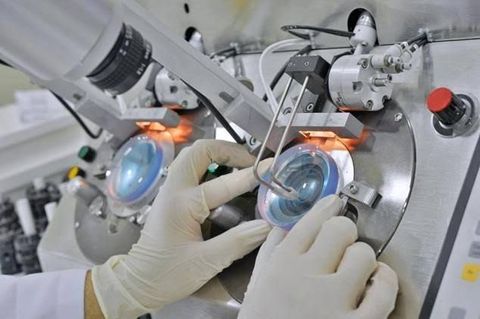
Vacuum Coating Equipment

Many advanced coatings are applied using vacuum-based technologies.

Potential processes may include:

  • Thin-film deposition
  • Layer application
  • Surface treatment
  • Coating stabilization

Vacuum systems help support coating consistency and durability.

Lens Edging Machines

Edging equipment shapes lenses to fit eyewear frames.

Functions may include:

  • Precision trimming
  • Frame compatibility adjustments
  • Automated contour shaping
  • Finishing operations

Edging accuracy contributes to both functionality and aesthetics.

Automated Inspection Systems

Quality assurance is essential in optical manufacturing.

Inspection technologies may include:

  • Optical measurement systems
  • Surface scanners
  • Digital imaging systems
  • Automated verification equipment

These systems help evaluate manufacturing accuracy.

Quality Control Equipment

Lens quality control often involves multiple testing stages.

Common evaluations may include:

  • Optical power verification
  • Surface inspection
  • Thickness measurement
  • Coating assessment
  • Dimensional accuracy testing

Testing procedures vary according to production standards and regulations.

Robotics and Automation

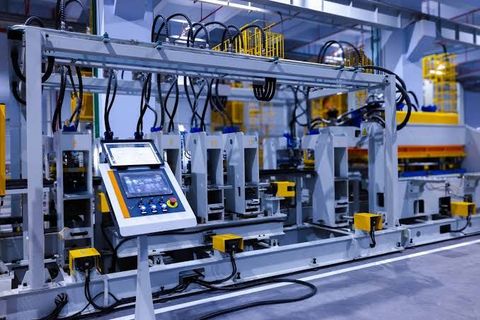
Automation is becoming increasingly common in lens manufacturing facilities.

Applications may include:

  • Material handling
  • Production line integration
  • Automated inspection
  • Packaging operations
  • Workflow coordination

Automation technologies support efficiency and consistency.

Artificial Intelligence in Optical Manufacturing

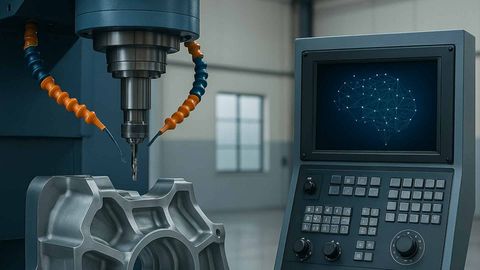
AI technologies are beginning to influence eyewear production.

Potential applications may include:

  • Predictive maintenance
  • Process optimization
  • Quality analytics
  • Production forecasting
  • Automated defect detection

AI contributes to increasingly data-driven manufacturing environments.

Smart Factory Integration

Many modern optical production facilities are adopting smart manufacturing concepts.

Examples may include:

  • Connected machinery
  • Real-time monitoring
  • Digital production tracking
  • Data analytics platforms
  • Automated reporting systems

Smart factories continue transforming industrial operations.

Sustainability in Lens Manufacturing

Environmental initiatives are becoming more important within manufacturing industries.

Areas of focus may include:

  • Resource efficiency
  • Energy management
  • Waste reduction
  • Sustainable materials
  • Process optimization

Sustainability approaches vary across manufacturers and production facilities.

Factors Influencing Manufacturing Equipment Costs

Lens manufacturing equipment costs vary considerably.

Factors may include:

  • Production capacity
  • Automation level
  • Precision requirements
  • Technology integration
  • Facility specifications
  • Quality control systems

Equipment pricing can differ significantly based on operational objectives.

Eyewear Industry Trends in 2026

Several developments continue shaping optical manufacturing.

Current trends include:

  • Digital freeform lens production
  • AI-assisted quality control
  • Smart factory integration
  • Advanced optical coatings
  • Automated manufacturing systems
  • Precision CNC technologies
  • Sustainable production initiatives
  • Data-driven operational management

These trends reflect broader advancements occurring throughout precision manufacturing industries.

Frequently Asked Questions

What machines are used to manufacture eyeglass lenses?

Common equipment includes surfacing machines, CNC generators, polishing systems, coating equipment, edging machines, and quality inspection systems.

What is freeform lens manufacturing?

Freeform manufacturing uses advanced digital technologies to create highly customized lens surfaces with precise optical characteristics.

Why is polishing important?

Polishing helps improve surface smoothness, optical clarity, and overall lens quality.

How are lens coatings applied?

Many coatings are applied through specialized deposition and vacuum-coating technologies.

How is AI used in lens manufacturing?

AI may assist with quality control, predictive maintenance, production optimization, and manufacturing analytics.

Conclusion

Eyeglass lens manufacturing represents a highly specialized area of precision engineering that combines optics, advanced materials, digital technologies, and automated production systems. Through sophisticated equipment such as CNC surfacing machines, polishing systems, coating technologies, and quality control platforms, manufacturers can produce lenses with remarkable accuracy and consistency.

As artificial intelligence, smart manufacturing, automation, and optical engineering continue evolving, lens production facilities are expected to become increasingly efficient, connected, and technologically advanced while maintaining their focus on precision and visual performance.

Disclaimer

This article is intended solely for informational and educational purposes. It does not provide medical, optometric, engineering, manufacturing, purchasing, regulatory, legal, financial, or professional consulting advice. It does not endorse, recommend, compare, rank, review, market, or promote any manufacturer, equipment supplier, optical laboratory, technology provider, or product. Equipment specifications, manufacturing processes, regulatory requirements, production capacities, and costs vary significantly across facilities and jurisdictions. Readers should consult qualified professionals before making technical, medical, or business decisions.


author-image

Ravi Shankar Maurya

We create purposeful content that speaks, resonates, and drives action.

June 23, 2026 . 10 min read