Exploring Laser Cutting With Processes Applications and Industry Insights
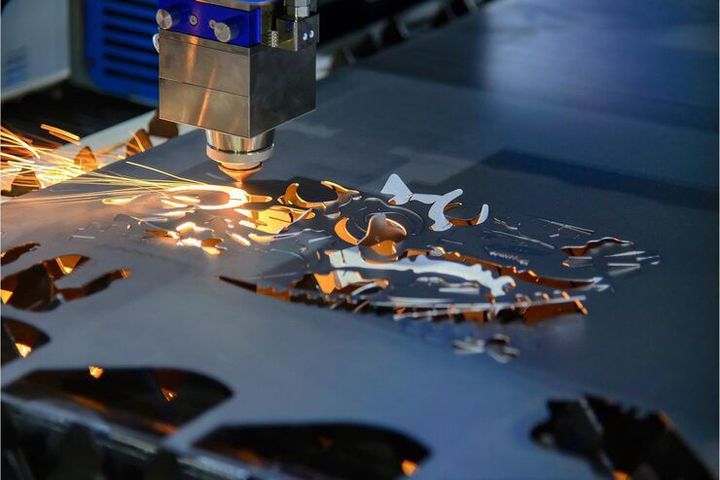
Laser cutting is a precision manufacturing process that uses a focused beam of light to cut, engrave, or shape materials such as metal, plastic, wood, and composites. The process relies on high-energy lasers to melt, burn, or vaporize material, resulting in clean and accurate cuts with minimal waste. It is widely used across industries including automotive, aerospace, electronics, construction, and fabrication.
In recent years, laser cutting has gained prominence due to advancements in automation, computer numerical control (CNC), and smart manufacturing technologies. These developments allow for faster production speeds, improved accuracy, and reduced human intervention. Additionally, the demand for customized products and complex designs has increased the adoption of laser cutting in both industrial and small-scale applications.
Understanding laser cutting processes and applications is important for manufacturers, engineers, and businesses looking to improve efficiency, reduce costs, and maintain high-quality production standards. As industries evolve, laser cutting continues to play a key role in modern manufacturing systems.
Who It Affects and What Problems It Solves
Laser cutting impacts a wide range of industries, including manufacturing, automotive, aerospace, construction, signage, and electronics. Engineers and designers use laser cutting to create precise components, while manufacturers rely on it for efficient production. Small businesses and startups also benefit from laser cutting for prototyping and custom fabrication.
The process is particularly valuable in industries where precision and consistency are critical. It enables the production of intricate designs that would be difficult or impossible to achieve with traditional cutting methods.
Problems It Solves
- Inaccurate cutting and material wastage
- Limited ability to create complex designs
- High production time in manual processes
- Poor edge quality and need for additional finishing
- Difficulty in cutting hard or delicate materials
- Inefficiency in mass production
Laser cutting addresses these challenges by providing high precision, speed, and versatility.
Recent Updates and Trends
The laser cutting industry has seen significant advancements over the past year. One major trend is the adoption of fiber laser technology, which offers higher energy efficiency, faster cutting speeds, and lower maintenance compared to traditional CO₂ lasers. Fiber lasers are increasingly used in metal cutting applications due to their superior performance.
Automation and integration with Industry 4.0 technologies are also transforming laser cutting operations. Smart machines equipped with sensors and data analytics enable real-time monitoring, predictive maintenance, and improved productivity.
Another key trend is the use of hybrid machines that combine laser cutting with other processes such as bending and welding. This reduces production time and increases efficiency. Additionally, there is growing interest in eco-friendly manufacturing, with laser cutting being recognized for its reduced material waste and energy efficiency.
The demand for laser cutting in emerging sectors such as renewable energy and electric vehicles is also increasing, further driving innovation in the field.
Laser Cutting Processes and Types
| Process Type | Description | Key Benefits | Common Applications |
|---|---|---|---|
| CO₂ Laser Cutting | Uses gas laser for cutting non-metals and metals | Smooth edges, versatile | Wood, acrylic, plastics |
| Fiber Laser Cutting | Uses fiber-optic technology for high precision | High speed, energy efficient | Metal fabrication |
| Nd:YAG Laser Cutting | Solid-state laser for detailed cutting | High accuracy, suitable for fine work | Electronics, medical devices |
| Laser Engraving | Removes surface material for marking | Detailed designs, customization | Signage, branding |
| Laser Drilling | Creates small, precise holes | High precision | Aerospace, electronics |
Laws or Policies and Practical Guidance
Laser cutting operations are subject to industrial safety and environmental regulations. In India, safety guidelines are governed by the Factories Act and standards set by the Bureau of Indian Standards (BIS). These regulations ensure proper handling of laser equipment, worker safety, and environmental compliance.
Operators must follow safety protocols such as wearing protective gear, using proper ventilation systems, and ensuring machine calibration. Laser systems must also comply with international safety standards related to radiation exposure.
Practical Guidance
- Use fiber lasers for high-speed metal cutting and large-scale production
- Choose CO₂ lasers for non-metal materials and versatile applications
- Ensure proper ventilation to manage fumes and emissions
- Invest in automation for improved efficiency and consistency
- Train operators to handle equipment safely and effectively
Selecting the right laser cutting system depends on material type, production volume, and precision requirements.
Tools and Resources
To support laser cutting operations, several tools and resources are available:
- CAD/CAM Software: Design and program cutting paths
- Simulation Tools: Visualize cutting processes and optimize designs
- Material Databases: Provide cutting parameters for different materials
- Maintenance Software: Track machine performance and servicing
- Training Platforms: Offer courses on laser cutting technology
- Safety Equipment: Ensure compliance with safety standards
These resources help improve efficiency, accuracy, and safety in laser cutting operations.
Frequently Asked Questions
What materials can be cut using laser cutting?
Laser cutting can be used on metals, plastics, wood, glass, and composites, depending on the type of laser used.
What is the difference between fiber and CO₂ lasers?
Fiber lasers are more efficient and suitable for metal cutting, while CO₂ lasers are versatile and commonly used for non-metal materials.
Is laser cutting cost-effective?
Yes, it reduces material waste, minimizes manual labor, and improves production speed, making it cost-effective in many applications.
How accurate is laser cutting?
Laser cutting offers high precision, often within micrometer-level tolerances, depending on the machine and material.
What safety measures are required?
Operators must use protective equipment, ensure proper ventilation, and follow safety guidelines to prevent hazards.
Conclusion
Laser cutting is a highly advanced manufacturing process that offers precision, efficiency, and versatility across various industries. Data-driven trends highlight the increasing adoption of fiber lasers, automation, and smart technologies, reflecting the growing demand for high-quality production.
By selecting the appropriate laser type and optimizing processes, businesses can reduce costs, improve product quality, and enhance operational efficiency. Compliance with safety regulations and proper training further ensures successful implementation.
Overall, laser cutting remains a key technology in modern manufacturing, supporting innovation and enabling the production of complex and high-performance components.