Exploring Hospital Machines With Uses Benefits and Essential Details
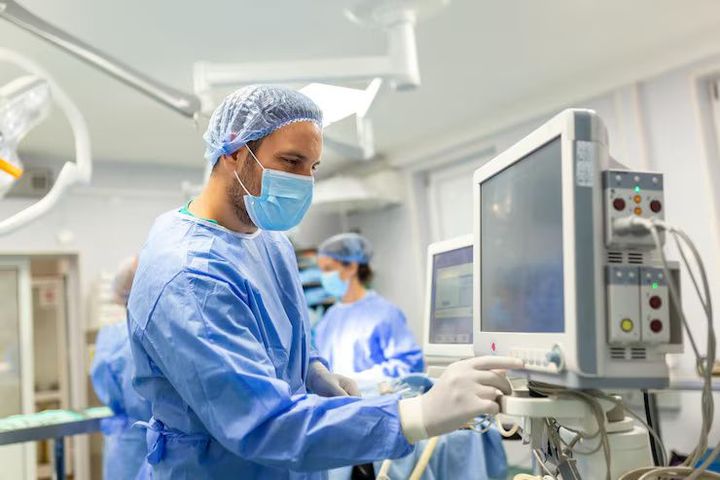
Hospital machines are specialized medical devices and equipment used to support diagnosis, treatment, monitoring, rehabilitation, and patient care within healthcare facilities. These machines range from basic monitoring systems to advanced imaging and life-support technologies designed to assist healthcare professionals in delivering accurate and efficient medical services. Hospital equipment plays an important role in modern healthcare because it helps improve patient management, operational efficiency, and clinical decision-making.
Globally, healthcare systems continue to invest in advanced medical technologies as demand for efficient patient care and accurate diagnostics increases. According to global healthcare industry research, hospitals and medical centers are increasingly adopting automated and digitally connected medical equipment to improve treatment outcomes and operational coordination. This trend reflects the broader movement toward technology-driven healthcare systems and modernized medical infrastructure.
In practical applications, hospital machines are used in emergency care, surgery, diagnostics, intensive care units, rehabilitation centers, and routine patient monitoring. Their ability to support healthcare professionals with precise information and reliable medical functions makes them essential for healthcare delivery. Understanding how hospital machines function and contribute to patient care highlights their growing importance in modern medical environments.
Who It Affects & Problems It Solves
Hospital machines affect a wide global audience, including patients, doctors, nurses, healthcare administrators, technicians, and medical researchers. Healthcare facilities rely on these systems to improve diagnostic accuracy, monitor patient conditions, and support safe treatment procedures. Biomedical engineers and technical maintenance professionals also benefit from understanding medical equipment technologies and operational systems.
Without reliable hospital machines, healthcare facilities may face challenges such as delayed diagnosis, reduced treatment efficiency, limited patient monitoring, and increased pressure on medical staff. Manual procedures alone may not provide the level of accuracy or speed required in modern healthcare environments. Hospital machines solve these challenges by automating critical tasks and supporting continuous patient assessment.
A common scenario involves patients in intensive care requiring constant monitoring of heart rate, oxygen levels, or blood pressure. Without advanced monitoring equipment, healthcare teams may struggle to track changes quickly and accurately. Hospital machines improve patient care by providing real-time data and supporting faster medical response. These operational advantages naturally lead into recent developments shaping healthcare technology and medical equipment systems.
Recent Updates
Over the past year, hospital machine technology has advanced significantly through increased digital integration and automation. Modern healthcare equipment increasingly uses connected monitoring systems that allow patient data to be shared securely across departments for more coordinated care management.
Another important trend is the growth of artificial intelligence and smart diagnostics. Industry data suggests that healthcare providers are using advanced imaging systems and automated analysis tools to improve diagnostic efficiency and support clinical decision-making. These developments help healthcare professionals identify conditions more accurately and efficiently.
Portable and compact medical devices have also become more common. Hospitals and healthcare providers are increasingly using mobile diagnostic and monitoring systems that improve flexibility and support patient care in different clinical environments.
Additionally, infection control and hygiene considerations continue to influence equipment design. Manufacturers are developing hospital machines with touchless interfaces, antimicrobial surfaces, and easier cleaning systems to support safer healthcare environments. These developments provide useful context for comparing different hospital machine categories and their medical applications.
Comparison Table
The table below compares common hospital machine categories based on operational functions and healthcare applications.
| Parameter | Diagnostic Machines | Patient Monitoring Systems | Surgical Equipment | Life Support Machines |
|---|---|---|---|---|
| Primary Function | Disease identification | Vital sign monitoring | Surgical assistance | Critical patient support |
| Common Examples | Imaging systems | Heart and oxygen monitors | Surgical tools and systems | Ventilators |
| Automation Level | High | High | Moderate to high | Very high |
| Portability | Moderate | High | Moderate | Moderate |
| Technical Complexity | High | Moderate | High | Very high |
| Healthcare Environment | Diagnostic departments | Intensive care and wards | Operating rooms | Critical care units |
| Real-Time Monitoring | Moderate | Very high | Moderate | Very high |
| Maintenance Requirement | High | Moderate | High | Very high |
| Patient Interaction | Indirect | Continuous | Procedure-based | Continuous |
| Operational Importance | Very high | Very high | Very high | Critical |
The comparison shows that different hospital machines serve specialized healthcare functions, from diagnostics and monitoring to surgical support and life-saving care. Together, these systems improve healthcare efficiency and patient management. Understanding these differences naturally leads into practical guidance and healthcare considerations.
Regulations & Practical Guidance
In most countries, hospital machines are subject to strict healthcare safety and operational standards. These regulations generally focus on equipment reliability, patient safety, electrical protection, hygiene, and performance accuracy. Following these guidelines helps healthcare facilities maintain safe and effective medical environments.
Globally, there is increasing emphasis on regular equipment inspection and preventive maintenance within healthcare systems. Hospitals are adopting maintenance schedules, digital monitoring systems, and technical training programs to improve equipment reliability and reduce operational risks.
Operator training is also essential for medical equipment performance. Healthcare professionals and technical staff must understand machine operation, troubleshooting procedures, and safety protocols to ensure proper patient care and equipment handling.
Which Option Suits Your Situation?
For healthcare facilities focused on diagnostic services, advanced imaging and diagnostic machines are often essential. These systems support accurate disease detection and improve clinical evaluation processes.
For hospitals managing critical or long-term patient care, monitoring systems and life support equipment provide continuous patient assessment and emergency response capabilities.
For surgical centers and operating departments, specialized surgical machines and precision equipment improve procedural efficiency and support safer medical interventions.
For smaller clinics or mobile healthcare services, compact and portable medical devices may offer practical advantages by improving accessibility and flexibility in patient care environments. Selecting the right equipment depends on healthcare needs, facility size, and operational goals. These considerations naturally lead into useful tools and resources.
Tools & Resources
Several tools and resources can help healthcare professionals and facilities better understand and manage hospital machine systems effectively.
Medical Equipment Management Software — tracks machine performance, maintenance schedules, and operational status.
Diagnostic Simulation Platforms — help healthcare professionals practice equipment usage and clinical procedures.
Technical Training Programs — provide education on hospital machine operation, safety, and maintenance practices.
Remote Monitoring Systems — support real-time patient and equipment tracking across healthcare facilities.
Biomedical Maintenance Tools — assist in equipment testing and preventive servicing activities.
Healthcare Technology Communities — enable professionals to exchange medical equipment insights and operational best practices.
These resources support informed healthcare planning and efficient equipment management, leading naturally into frequently asked questions.
Frequently Asked Questions
What are hospital machines?
Hospital machines are medical devices and equipment used for diagnosis, treatment, patient monitoring, rehabilitation, and healthcare support within medical facilities.
Why are hospital machines important in healthcare?
Hospital machines improve diagnostic accuracy, patient monitoring, treatment efficiency, and overall healthcare quality by supporting medical professionals with advanced technologies.
What types of hospital machines are commonly used?
Common types include diagnostic imaging systems, patient monitors, surgical equipment, ventilators, laboratory machines, and rehabilitation devices.
What is a common misconception about hospital machines?
A common misconception is that hospital machines replace healthcare professionals. In reality, these systems are designed to assist medical teams and improve patient care efficiency.
How do hospitals maintain machine performance?
Hospitals maintain performance through regular inspections, preventive maintenance, equipment calibration, software updates, and technical staff training programs.
Conclusion
Hospital machines play a major role in modern healthcare by supporting diagnostics, treatment, monitoring, and patient safety across multiple medical environments. Their ability to provide accurate information and reliable healthcare support makes them essential for efficient clinical operations.
For most healthcare facilities, selecting the right equipment involves balancing technical capability, patient care requirements, maintenance needs, and operational efficiency. Proper training and preventive maintenance help improve equipment reliability and healthcare performance over time.
As global healthcare systems continue to evolve, hospital machine technologies are expected to become more connected, automated, and intelligent, supporting the future development of advanced and patient-centered medical care systems.