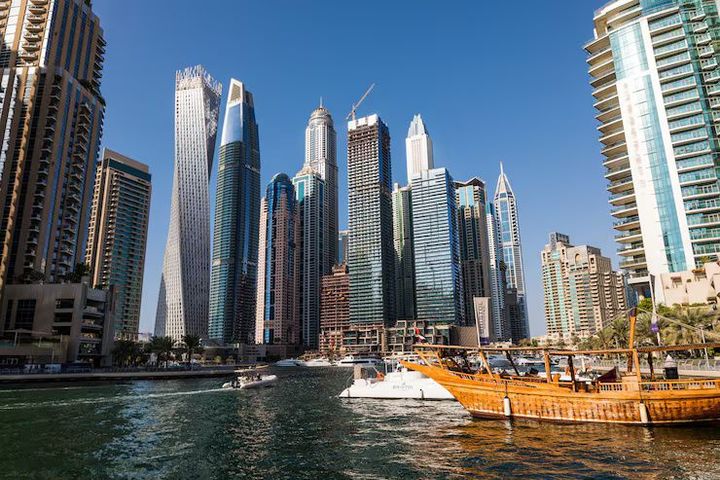
Dubai Real Estate Vs Global Property Markets Explanation And Comparison
Dubai real estate is widely recognized for its modern infrastructure, luxury developments, high-rise residential communities, and investor-focused property environment. Over the past two decades, Dubai has become one of the most internationally discussed property markets because of its rapid urban expansion, large-scale commercial developments, and global business connectivity. In comparison, global property markets vary significantly depending on economic conditions, housing demand, population growth, financing access, and long-term infrastructure development. Some markets prioritize affordability and stability, while others focus on luxury investment, tourism-driven demand, or commercial growth opportunities.
This comparison matters globally because international real estate investment continues attracting attention from businesses, institutional investors, remote workers, and individuals seeking long-term asset diversification. According to global property research, real estate markets worldwide are increasingly influenced by factors such as urbanization, digital infrastructure, international migration, flexible work models, and economic diversification strategies. Dubai has emerged as a highly visible property market within these trends because of its large-scale development projects and international investor participation. At the same time, many global markets continue emphasizing long-term housing demand, regulatory stability, and sustainable urban planning.
The real-world impact of comparing Dubai real estate with broader global property markets extends beyond investment returns alone. Property ownership and development influence housing accessibility, rental markets, infrastructure growth, tourism, business activity, and long-term wealth planning. Investors, homeowners, developers, and international businesses all evaluate property markets differently depending on their financial goals, risk tolerance, and lifestyle priorities. Understanding how Dubai compares with other global property markets helps create a clearer perspective on real estate opportunities and long-term market dynamics, which naturally leads into who these markets affect and the problems they aim to solve.
Who It Affects & Problems It Solves
Dubai real estate and global property markets affect a wide range of individuals and industries internationally. Investors often compare property markets when seeking rental income opportunities, long-term capital appreciation, or portfolio diversification. Businesses evaluating office expansion or international relocation may analyze commercial real estate trends before entering new markets. Remote professionals and expatriates may compare residential affordability, infrastructure quality, and lifestyle convenience when considering relocation options. Developers, institutional funds, tourism operators, and infrastructure planners also monitor global real estate trends closely because property markets influence broader economic activity.
Without a clear understanding of how property markets differ, many people worldwide may make investment decisions that do not align with their financial goals or risk expectations. Dubai real estate often attracts attention because of its modern infrastructure, high-end developments, and globally connected business environment, while many international property markets are viewed as more mature, stable, or regulation-focused. Comparing these environments helps investors evaluate factors such as rental demand, market volatility, property supply, taxation structures, financing accessibility, and long-term growth potential.
A common mistake investors make is assuming that rapid development automatically guarantees long-term profitability. In reality, property performance depends on broader economic conditions, population growth, infrastructure planning, and market demand stability. Another issue involves comparing property prices without considering operational costs, regulatory structures, or local rental demand conditions. Growing awareness around market transparency and sustainable development has encouraged investors to evaluate property markets more carefully, which connects naturally to recent updates shaping Dubai and international real estate trends worldwide.
Recent Updates
Over the past year, global real estate discussions have increasingly focused on housing affordability, commercial space adaptation, and long-term urban development trends. Many international markets are adjusting to changing work patterns as remote and hybrid employment models continue influencing residential preferences and office demand. Flexible living arrangements and mixed-use developments are becoming more common across modern urban planning strategies.
In early 2025, Dubai’s property market continued attracting international attention because of ongoing luxury developments, tourism growth, and expanding business activity. Large-scale residential communities, waterfront projects, and branded developments remain central to the city’s property expansion strategy. Industry discussions also highlighted continued demand from international buyers seeking premium residential properties and investment diversification opportunities.
Another noticeable global trend involves increased emphasis on sustainable construction and energy-efficient building standards. Real estate developers internationally are investing more heavily in smart infrastructure, green building technologies, and environmentally conscious urban planning. Dubai and other major global markets are increasingly integrating sustainability considerations into long-term property development strategies.
At the same time, digital property technology has become more influential across international real estate sectors. Virtual property tours, digital transaction systems, artificial intelligence-based valuation tools, and online property marketplaces are transforming how investors and buyers research markets globally. These developments make it easier to compare Dubai real estate with broader international property markets and understand how different investment environments continue evolving.
Comparison Table
The table below compares key characteristics of Dubai real estate and broader global property markets. These comparison factors matter internationally because investors and property buyers often prioritize different balances of growth potential, stability, rental demand, and infrastructure development.
| Comparison Factor | Dubai Real Estate | Many Global Property Markets |
|---|---|---|
| Development Style | Rapid modern expansion | Mixed maturity levels |
| Luxury Property Presence | Very high | Varies significantly |
| International Investor Activity | Strong international participation | Depends on market region |
| Rental Yield Potential | Often competitive | Moderate in mature markets |
| Market Volatility | Can fluctuate faster | Often more stable in mature economies |
| Infrastructure Focus | Large-scale urban projects | Varies by development stage |
| Tourism Influence | Strong market impact | Moderate in many markets |
| Smart City Integration | High technology adoption | Growing internationally |
| Residential Diversity | Luxury and mixed-use growth | Broad affordability ranges |
| Commercial Expansion | Business and hospitality driven | Industry dependent |
| Regulatory Complexity | International investment friendly | Varies globally |
| Sustainability Focus | Increasing emphasis | Strong global growth trend |
The comparison table shows that Dubai real estate is often associated with rapid growth, luxury development, and international investor visibility, while many broader property markets prioritize long-term stability and established housing demand patterns. These distinctions create an important transition into regulations and practical investment guidance.
Regulations & Practical Guidance
In most countries, property markets are regulated under broader real estate, investment, and urban planning frameworks. Regulatory authorities globally generally establish rules related to property ownership, construction standards, financing practices, and transaction transparency. Real estate investors are often expected to evaluate ownership rights, legal documentation, maintenance obligations, and financing conditions carefully before entering a market.
International property markets also commonly apply regulations related to anti-money laundering compliance, transaction reporting, and consumer protection. Many jurisdictions require developers, brokers, and financial institutions to follow operational guidelines designed to improve market transparency and reduce investment risks. In rapidly developing markets, regulatory systems may evolve more frequently as infrastructure expansion and international investment activity increase.
Another important practical consideration involves balancing investment expectations with long-term market fundamentals. Real estate professionals globally emphasize evaluating population growth, economic diversification, infrastructure planning, rental demand, and housing supply before making investment decisions. Investors are also encouraged to consider liquidity, operational costs, and long-term maintenance requirements rather than focusing only on short-term price trends.
Which Option Suits Your Situation?
An investor seeking exposure to rapidly developing luxury-focused markets may find Dubai real estate appealing because of its large-scale urban development and internationally connected property environment. These markets often attract buyers interested in premium residential and commercial opportunities.
Someone prioritizing long-term market stability and established housing demand may prefer mature global property markets with slower but more predictable growth patterns. These environments are often associated with lower volatility and broader residential demand consistency.
A business evaluating regional expansion opportunities may benefit from analyzing commercial infrastructure, tourism activity, transportation connectivity, and office demand before selecting a property market. Different cities and regions support different operational priorities depending on industry focus.
A remote professional or international resident may compare markets based on lifestyle factors, rental affordability, infrastructure quality, and long-term residency planning. These practical considerations naturally connect to the tools and property resources available for global real estate research today.
Tools & Resources
Several globally accessible real estate resources can help investors and property professionals better understand Dubai real estate and international property market trends.
Property Finder Market Insights — provides information related to residential market activity, rental trends, and property demand patterns.
JLL Research Reports — offers commercial real estate analysis and international property market insights.
Knight Frank Property Research — explains luxury property trends and international real estate developments.
CBRE Market Intelligence — provides commercial and residential property research across global markets.
Statista Housing Data — supports broader analysis of housing and construction trends through industry data visualization.
Urban Development Publications — discuss smart cities, sustainability planning, and international infrastructure growth strategies.
Real Estate Investment Education Platforms — provide educational materials related to rental yield analysis, market cycles, and long-term property planning.
These resources support stronger investment awareness and informed property decision-making, which naturally leads into the most common questions people ask about Dubai real estate and global property markets.
Frequently Asked Questions
What makes Dubai real estate different from many global markets?
Dubai real estate is often associated with rapid urban development, luxury-focused projects, strong international investor participation, and modern infrastructure expansion. Many global property markets, by comparison, may prioritize long-term residential stability, established housing demand, and slower development cycles depending on economic and population trends.
Who commonly invests in Dubai real estate?
International investors, business professionals, expatriates, institutional funds, and individuals seeking portfolio diversification commonly evaluate Dubai real estate opportunities. Buyers are often attracted by modern infrastructure, tourism growth, and the city’s position as a globally connected business and lifestyle destination.
Are property markets regulated internationally?
In many regions globally, property markets operate under legal frameworks related to ownership rights, construction standards, financing practices, and consumer protection. Regulatory systems vary significantly between markets, making careful research and professional guidance important when comparing international real estate opportunities.
Is faster development always better for property investment?
A common misconception is that rapid development automatically guarantees stronger investment performance. In reality, successful property investment depends on broader market fundamentals such as infrastructure planning, housing demand, economic stability, rental activity, and long-term sustainability considerations rather than development speed alone.
When should someone compare international property markets?
Individuals and businesses may benefit from comparing global property markets when considering relocation, commercial expansion, rental investments, or long-term wealth diversification. Evaluating multiple markets helps investors understand differences in pricing, infrastructure quality, demand stability, and regulatory environments before making decisions.
Conclusion
Dubai real estate and broader global property markets each offer different advantages depending on investment goals, lifestyle priorities, and long-term market expectations. The most important takeaway is that Dubai is often characterized by rapid development, international visibility, and luxury-focused expansion, while many global property markets emphasize long-term stability and mature housing demand patterns. Understanding these differences helps investors and buyers evaluate opportunities more realistically.
For most individuals and organizations, the best approach involves balancing growth potential with practical considerations such as market transparency, infrastructure quality, rental demand, and long-term economic fundamentals. Thorough research and realistic planning generally provide more sustainable outcomes than focusing only on short-term market excitement.
As international real estate markets continue evolving, future property investment decisions will likely become even more influenced by sustainability, digital infrastructure, smart city development, and globally connected economic trends.