The importance of maintenance, inspections, and equipment care has increased due to rising operational costs, safety requirements, and the need for uninterrupted production. Organizations are focusing on preventive strategies to reduce downtime and extend equipment lifespan.
Recent trends include predictive maintenance, IoT-enabled monitoring, and data-driven inspection systems. These advancements allow real-time tracking of equipment performance and early detection of issues. Understanding maintenance and inspection factors is essential for ensuring reliability and efficiency in industrial operations.
Who It Affects and What Problems It Solves
Industrial equipment maintenance affects plant operators, engineers, maintenance teams, safety managers, and business owners. These stakeholders rely on well-maintained equipment to ensure smooth operations and meet production targets.
Without proper maintenance and inspections, equipment failures can lead to costly downtime, safety risks, and reduced efficiency. Equipment care practices help address these challenges.
Problems It Helps Solve
-
Unexpected equipment breakdowns
-
Increased maintenance and repair costs
-
Safety risks due to faulty machinery
-
Reduced operational efficiency
-
Shortened equipment lifespan
-
Production delays and downtime
Recent Updates and Trends
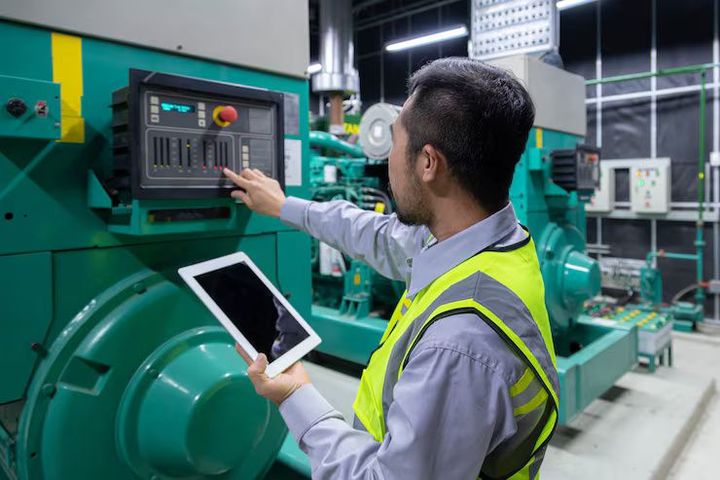
In the past year, industrial maintenance practices have evolved with the adoption of advanced technologies. Predictive maintenance systems are being used to analyze data and forecast equipment failures before they occur.
IoT sensors are increasingly integrated into machinery to monitor parameters such as temperature, vibration, and pressure. These systems provide real-time insights and improve decision-making.
Artificial intelligence is being applied to analyze large datasets and optimize maintenance schedules. This reduces unnecessary maintenance and focuses on critical areas.
Digital inspection tools, including drones and imaging systems, are being used for safer and more efficient inspections. These tools allow access to hard-to-reach areas without interrupting operations.
Sustainability is also influencing maintenance practices, with a focus on energy efficiency and reducing waste.
Types of Maintenance Strategies
| Maintenance Type | Description | Application | Outcome |
|---|
| Preventive Maintenance | Scheduled maintenance activities | Routine care | Reduced failures |
| Predictive Maintenance | Data-driven maintenance | Advanced systems | Early issue detection |
| Corrective Maintenance | Repairs after failure | Emergency situations | Restored functionality |
| Condition-Based Maintenance | Based on equipment condition | Monitoring systems | Optimized maintenance |
Each strategy serves different operational needs.
Inspection Methods and Techniques
| Inspection Type | Description | Application | Result |
|---|
| Visual Inspection | Manual checking | Routine checks | Early detection |
| Thermal Imaging | Detect heat patterns | Electrical systems | Fault identification |
| Vibration Analysis | Monitor movement | Rotating equipment | Predictive insights |
| Ultrasonic Testing | Detect internal defects | Structural components | Safety assurance |
These methods help identify potential issues before they escalate.
Key Equipment Care Factors
| Factor | Description | Importance | Result |
|---|
| Lubrication | Reducing friction | Prevents wear | Smooth operation |
| Cleaning | Removing debris | Maintains efficiency | Improved performance |
| Calibration | Ensuring accuracy | Quality control | Reliable output |
| Storage | Proper handling | Prevents damage | Longevity |
| Operator Training | Skilled usage | Reduces errors | Safe operation |
Proper care ensures optimal equipment performance.
Maintenance Workflow
| Stage | Description | Key Action | Result |
|---|
| Planning | Schedule maintenance | Resource allocation | Organized process |
| Inspection | Assess equipment condition | Data collection | Issue identification |
| Execution | Perform maintenance tasks | Repair and servicing | Restored performance |
| Monitoring | Track performance post-maintenance | Data analysis | Continuous improvement |
This workflow ensures systematic maintenance.
Performance Factors and Efficiency Optimization
| Factor | Description | Importance | Result |
|---|
| Reliability | Consistent operation | Reduces downtime | Productivity |
| Efficiency | Optimal performance | Saves resources | Cost reduction |
| Safety | Risk prevention | Protects workers | Compliance |
| Durability | Resistance to wear | Long-term use | Reduced replacements |
| Energy Consumption | Power usage | Sustainability | Lower costs |
Optimizing these factors improves overall operations.
Applications Across Industries
Industrial equipment maintenance is essential across multiple sectors.
In manufacturing, maintenance ensures continuous production and quality control. In construction, it supports equipment reliability and safety.
Energy and utility sectors rely on maintenance to ensure uninterrupted supply. Logistics and transportation industries depend on well-maintained equipment for efficient operations.
These applications highlight the importance of maintenance practices.
Laws and Policies Related to Equipment Maintenance
Industrial equipment is subject to safety and operational regulations that ensure proper use and maintenance. These policies define inspection requirements, safety standards, and compliance guidelines.
In India, workplace safety regulations require regular inspections and adherence to maintenance protocols. Compliance ensures safe operations and reduces risks.
Practical Guidance Table
| Situation | Recommended Approach | Practical Benefit |
|---|
| High Usage Equipment | Implement preventive maintenance | Reduced breakdowns |
| Critical Systems | Use predictive maintenance | Early detection |
| Safety Concerns | Conduct regular inspections | Risk reduction |
| Cost Management | Optimize maintenance schedules | Efficiency |
Tools and Resources for Equipment Maintenance
Effective maintenance requires various tools and resources for monitoring and servicing equipment.
Common Tools and Resources
-
Diagnostic and monitoring systems
-
Maintenance management software
-
Inspection tools and instruments
-
Lubrication equipment
-
Training programs for personnel
Tools Comparison Table
| Tool Type | Functionality | Best Use Case |
|---|
| Diagnostic Tools | Identify issues | Troubleshooting |
| Monitoring Systems | Track performance | Predictive maintenance |
| Maintenance Software | Manage schedules | Organization |
| Inspection Tools | Detect wear and damage | Preventive care |
| Training Resources | Improve skills | Workforce development |
Frequently Asked Questions
What is industrial equipment maintenance?
It involves servicing and caring for machinery to ensure proper operation.
Why are inspections important?
They help detect issues early and prevent failures.
What is predictive maintenance?
It uses data to forecast and prevent equipment breakdowns.
How often should equipment be inspected?
It depends on usage and operational conditions.
Can maintenance improve efficiency?
Yes, proper maintenance enhances performance and reduces downtime.
Conclusion
Industrial equipment maintenance, inspections, and care are essential for ensuring reliable and efficient operations. By implementing structured maintenance strategies and regular inspections, organizations can reduce downtime and improve safety.
Recent advancements in predictive maintenance, IoT monitoring, and digital inspection tools have enhanced maintenance practices. These developments support more efficient and data-driven operations.
A data-driven approach indicates that focusing on preventive care, optimizing maintenance workflows, and leveraging modern tools can significantly improve equipment performance. By adopting these practices, industries can achieve long-term reliability, cost efficiency, and operational success.