Gas Turbine Units: Guide to Power Generation and Efficiency
Gas turbine units are widely used for electricity and industrial power generation. Learn how they work, why they matter, recent developments, regulations, tools, and common questions.
Gas turbine units are machines that convert the energy in fuel and air into mechanical power. That rotating power can drive an electrical generator or another industrial machine. They are used in power plants, manufacturing facilities, oil and gas operations, and other energy-intensive environments.
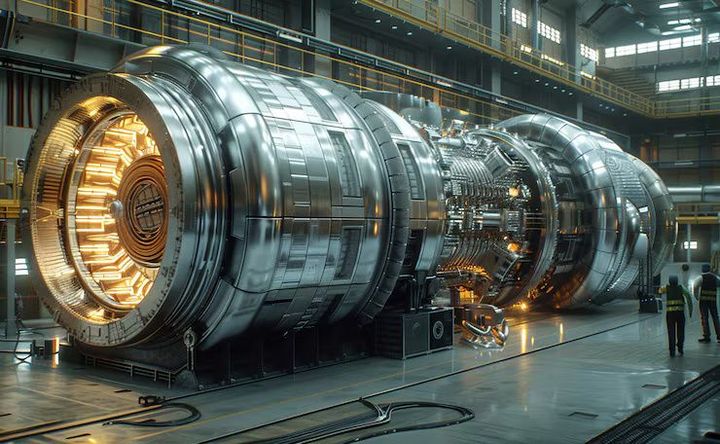
A basic gas turbine has three main sections: a compressor, combustion chamber, and turbine. The compressor raises air pressure, fuel is mixed with the compressed air and burned, and the resulting hot gases expand through turbine blades. The rotating shaft then produces useful mechanical energy.
There are several common configurations. Simple-cycle gas turbines are designed for relatively flexible operation, while combined-cycle power plants recover heat from turbine exhaust to generate additional electricity through a steam cycle.
| Gas Turbine Type | Main Feature | Typical Application |
|---|---|---|
| Simple Cycle | Fast operational response | Peak and backup generation |
| Combined Cycle | Heat recovery | Large-scale electricity generation |
| Industrial Gas Turbine | Continuous mechanical output | Industrial processes |
| Aero-Derivative | Compact and flexible | Distributed power applications |
Importance
Gas turbine units remain important because modern electricity systems need generation that can respond to changing demand. They can support grid reliability when electricity consumption rises quickly or when variable renewable generation changes.
The technology also matters to industrial facilities that need dependable power and process heat. Combined-cycle systems can make greater use of the fuel input by recovering exhaust heat, which can improve overall energy efficiency.
Demand has gained additional attention because of expanding data-center electricity consumption. S&P Global reported that U.S. gas turbine orders reached about 51 gigawatts in 2025, with another 18 gigawatts recorded during the first quarter of 2026.
For engineers and facility planners, important performance measures include:
- Heat rate
- Thermal efficiency
- Capacity factor
- Power output
- Exhaust temperature
- Emissions intensity
These measurements help explain how effectively a gas turbine converts fuel energy into useful output.
Recent Updates
The gas turbine sector has seen strong activity during 2025 and 2026. One major driver has been rising electricity demand from data centers, especially facilities supporting cloud computing and artificial intelligence.
In March 2026, reporting indicated that planned or proposed U.S. gas-fired capacity had increased sharply, creating pressure on turbine manufacturing capacity and delivery schedules.
Technology development is also moving toward lower-emission combustion and alternative fuels. Research published in March 2026 examined hydrogen fuel cycles for aero gas turbines, reflecting continuing interest in hydrogen-compatible turbine technology.
Another area of development is digital monitoring. Modern turbine systems increasingly use sensors, control software, vibration analysis, and performance analytics to detect changes in operating conditions and support predictive maintenance.
Laws or Policies
In the United States, stationary gas turbine units are affected by federal air-quality rules under the Clean Air Act. The Environmental Protection Agency regulates pollutants including nitrogen oxides and sulfur dioxide through New Source Performance Standards.
On January 15, 2026, the EPA finalized revisions creating 40 CFR Part 60, Subpart KKKKa for qualifying new, modified, or reconstructed stationary combustion turbines. The rule applies to affected sources beginning construction, modification, or reconstruction after December 13, 2024.
Stationary combustion turbines may also fall under National Emission Standards for Hazardous Air Pollutants, depending on the source category and operating conditions. Requirements can vary according to equipment type, emissions, location, and applicable permits.
State and local environmental authorities may impose additional requirements, so project assessments should consider federal, state, and local rules together.
Tools and Resources
Useful resources for learning about gas turbine technology include:
- Gas turbine heat-rate calculators
- Thermodynamic cycle calculators
- Turbine efficiency worksheets
- Capacity-factor calculators
- Emissions estimation tools
- Equipment performance monitoring templates
- Vibration and condition-monitoring dashboards
- Government energy and environmental databases
- Engineering standards and technical handbooks
These tools can help readers understand performance, fuel use, operating conditions, and environmental requirements without needing advanced engineering software.
FAQs
What is a gas turbine unit?
A gas turbine unit is a rotating machine that uses high-temperature combustion gases to produce mechanical power. The shaft can drive a generator or another mechanical system.
What is the difference between simple-cycle and combined-cycle turbines?
A simple-cycle turbine sends its exhaust gases away after they pass through the turbine. A combined-cycle system captures much of that exhaust heat to produce steam and additional electricity.
Why are gas turbines used in power generation?
They can provide large amounts of electrical output and can respond to changing demand. Their operating characteristics make them useful in several grid and industrial applications.
What affects gas turbine efficiency?
Efficiency can be influenced by turbine design, ambient temperature, pressure ratio, combustion conditions, load level, inlet-air conditions, and exhaust heat recovery.
Are gas turbines regulated for emissions?
Yes. In the United States, qualifying stationary units can be subject to EPA standards covering pollutants such as nitrogen oxides, sulfur dioxide, and certain hazardous air pollutants.
Conclusion
Gas turbine units are an important part of modern power generation and industrial energy infrastructure. Their combination of mechanical output, operational flexibility, and compatibility with combined-cycle technology makes them relevant across many applications.
The industry is evolving as electricity demand rises, turbine technology advances, digital monitoring expands, and environmental regulations change. Understanding turbine types, efficiency measures, operating principles, and applicable regulations provides a useful foundation for evaluating this important energy technology.
Disclaimer:
This article is for general educational purposes only. Gas turbine design, operation, emissions compliance, and equipment selection depend on technical specifications, operating conditions, and applicable regulations. Regulatory requirements can change, so official government guidance should be reviewed for current compliance decisions.