Explore Scientific Equipment & Services: Complete Guide, Basics, Insights, and Laboratory Resources
Scientific equipment refers to specialized instruments and technical systems used in laboratories for research, testing, measurement, and analysis. These tools support activities across healthcare diagnostics, environmental monitoring, pharmaceuticals, materials science, biotechnology, food analysis, and academic research.
Laboratories rely on precise instruments such as spectrometers, chromatographs, microscopes, centrifuges, incubators, autoclaves, thermal cyclers, and analytical balances. Each instrument is designed to produce measurable and repeatable results under controlled conditions.
Laboratory resources extend beyond physical devices. They include calibration protocols, quality control frameworks, digital laboratory information management systems (LIMS), compliance documentation, training materials, and reference standards. Together, these components form the foundation of modern research laboratory technology.
Scientific equipment exists to improve measurement accuracy, ensure repeatability, and support evidence-based decision-making. Without standardized instrumentation and structured laboratory management systems, research outcomes would lack reliability and comparability.
Why Scientific Equipment Matters Today
Scientific instrumentation plays a central role in public health, environmental protection, industrial development, and technological innovation. Advances in analytical instrumentation enable researchers to detect microscopic contaminants, analyze genetic sequences, evaluate pharmaceutical compounds, and assess material durability.
High-precision laboratory tools address several critical challenges:
-
Ensuring laboratory quality control and data integrity
-
Supporting regulatory compliance and certification requirements
-
Accelerating medical diagnostics and biotechnology research
-
Monitoring air, water, and soil quality
-
Enhancing food safety and chemical testing standards
Industries such as pharmaceuticals, environmental science, petrochemicals, and advanced manufacturing depend heavily on calibrated laboratory instruments. For example:
| Industry Sector | Common Laboratory Equipment | Primary Purpose |
|---|---|---|
| Healthcare & Diagnostics | PCR systems, microscopes, immunoassay analyzers | Disease detection and biomarker analysis |
| Environmental Testing | Gas analyzers, spectrophotometers | Pollution monitoring and compliance |
| Pharmaceutical Research | HPLC systems, stability chambers | Drug formulation and validation |
| Materials Science | Tensile testers, thermal analyzers | Structural and durability testing |
The integration of automation and digital laboratory management has further increased efficiency. Cloud-based LIMS platforms now allow secure data storage, audit trails, and compliance tracking, reducing manual documentation errors.
Reliable scientific equipment contributes to transparency in research and strengthens public trust in scientific findings.
Recent Developments in Laboratory Technology
Over the past year, several trends have influenced laboratory operations and instrumentation standards.
In 2025, global regulatory bodies emphasized enhanced data integrity and cybersecurity within laboratory information systems. Updated guidelines require better audit trails and electronic record protection, particularly for pharmaceutical and clinical laboratories.
Artificial intelligence and machine learning tools have increasingly been integrated into analytical instrumentation. AI-powered spectroscopy systems now assist in faster compound identification and anomaly detection, reducing interpretation time.
Sustainability has also become a key focus. Many laboratories have adopted energy-efficient incubators, low-power refrigeration systems, and green chemistry protocols to reduce environmental impact. New environmental testing equipment launched in 2025 includes real-time emission monitoring sensors with improved sensitivity thresholds.
Remote monitoring capabilities have expanded significantly. Internet-enabled laboratory devices allow researchers to observe experiments, receive alerts, and manage calibration schedules from secure dashboards.
Another notable development is the miniaturization of diagnostic instruments. Portable molecular testing devices have gained attention in research and field applications, improving accessibility to advanced analytical tools.
These updates reflect a broader shift toward automation, digital traceability, sustainability, and precision in laboratory environments.
Regulatory Framework and Compliance Standards
Scientific equipment is closely regulated to maintain accuracy, safety, and reliability. Laboratories must follow established compliance standards to ensure measurement traceability and data validity.
Common regulatory frameworks include:
-
ISO 17025 for testing and calibration laboratories
-
Good Laboratory Practice (GLP) guidelines
-
Good Manufacturing Practice (GMP) standards
-
Occupational health and safety regulations
-
Environmental protection compliance requirements
Laboratory instruments often require periodic calibration according to international metrology standards. Calibration procedures verify that measurement outputs align with certified reference materials.
In many countries, government agencies oversee laboratory accreditation and inspection programs. Environmental monitoring laboratories must comply with emission standards and reporting protocols. Healthcare laboratories must adhere to clinical testing regulations and patient data protection laws.
The table below outlines key compliance areas:
| Compliance Area | Key Focus |
|---|---|
| Instrument Calibration | Measurement accuracy and traceability |
| Data Integrity | Secure electronic records and audit trails |
| Laboratory Safety | Chemical handling and biosafety protocols |
| Environmental Monitoring | Reporting thresholds and emission limits |
Regulatory compliance supports transparency and scientific credibility. Failure to maintain calibrated instruments or accurate documentation can compromise research outcomes and lead to regulatory action.
Essential Laboratory Tools and Digital Resources
Modern laboratories depend on both physical instruments and digital infrastructure. Key categories include analytical, diagnostic, environmental, and life sciences equipment.
Common laboratory equipment categories:
-
Spectroscopy instruments
-
Chromatography systems
-
Microscopy platforms
-
Thermal analysis devices
-
Microbiological incubators
-
Centrifugation systems
-
Analytical balances
Digital laboratory resources enhance operational efficiency:
-
Laboratory Information Management Systems (LIMS)
-
Electronic laboratory notebooks (ELN)
-
Calibration tracking software
-
Compliance documentation templates
-
Risk assessment checklists
Researchers often use online databases and scientific repositories for reference standards and protocol validation. Some widely recognized platforms include:
-
PubMed for biomedical research articles
-
OECD guidelines for laboratory testing standards
-
ISO documentation portals
-
Environmental protection agency databases
-
WHO laboratory quality management toolkits
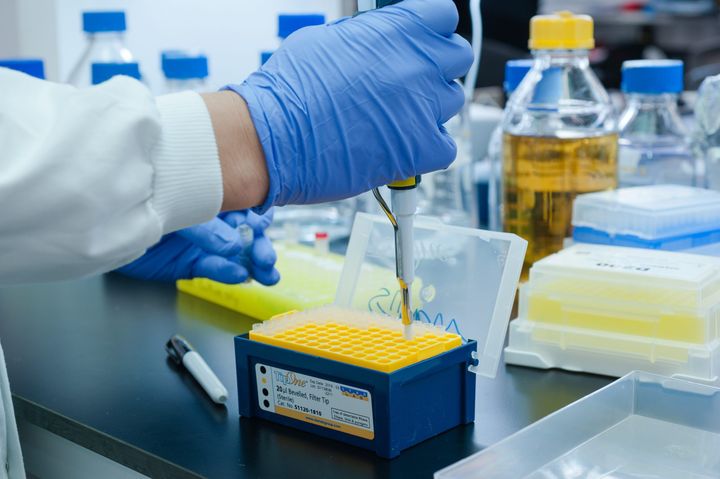
The integration of laboratory automation tools has also increased. Robotic sample handlers and automated pipetting systems reduce variability and improve reproducibility in high-throughput environments.
Emerging Trends in Analytical Instrumentation
Scientific equipment design continues to evolve. Some prominent trends include:
-
Smart sensors with predictive maintenance alerts
-
Cloud-connected calibration logs
-
Real-time environmental monitoring dashboards
-
Compact multi-parameter testing systems
-
Advanced spectroscopy with AI pattern recognition
Sustainability initiatives are influencing procurement decisions. Laboratories increasingly evaluate energy consumption metrics and waste reduction capabilities when selecting equipment.
Another trend is cross-disciplinary instrumentation. Hybrid systems combine chromatography and mass spectrometry within a single platform, enhancing analytical performance.
These advancements reflect ongoing investment in research laboratory technology and digital transformation.
Frequently Asked Questions
What is laboratory calibration and why is it important?
Laboratory calibration is the process of verifying instrument accuracy against certified reference standards. It ensures reliable measurements, regulatory compliance, and traceable data.
How often should scientific instruments be calibrated?
Calibration frequency depends on instrument type, usage intensity, regulatory requirements, and manufacturer guidelines. High-precision instruments may require quarterly or annual calibration.
What is ISO 17025 accreditation?
ISO 17025 is an international standard that specifies requirements for testing and calibration laboratories. It focuses on competence, impartiality, and consistent operational practices.
How does digital laboratory management improve data integrity?
Digital systems such as LIMS create secure audit trails, automate documentation, and reduce manual data entry errors, improving traceability and compliance.
What factors influence laboratory equipment selection?
Key considerations include measurement accuracy, compliance compatibility, environmental impact, interoperability with digital systems, and long-term reliability.
Conclusion
Scientific equipment and laboratory resources form the backbone of modern research, diagnostics, environmental monitoring, and industrial quality control. From analytical instrumentation and calibration protocols to digital compliance systems, each component contributes to accurate, transparent, and reproducible scientific outcomes.
Recent developments in automation, artificial intelligence, sustainability, and cybersecurity have strengthened laboratory efficiency and regulatory compliance. As scientific demands continue to grow, laboratories must prioritize precision, documentation integrity, and adherence to international standards.
By integrating advanced instruments with structured quality control frameworks and digital management tools, research facilities can maintain credibility, ensure regulatory alignment, and support innovation across diverse scientific fields.