Explore Luxury Handbags: Overview, History, Materials, and Key Facts
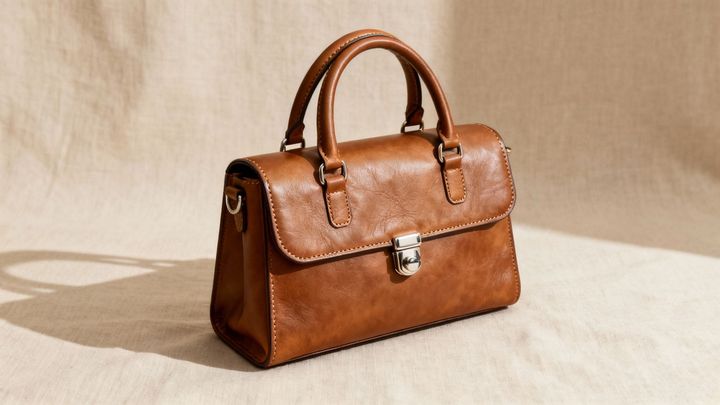
Luxury handbags are premium accessories created with a focus on craftsmanship, durability, and long-term design value. They exist as a blend of function and cultural expression, often reflecting fashion history, artisanal methods, and evolving material standards. Unlike mass-produced accessories, these handbags are typically associated with limited production runs, strict quality controls, and recognizable design identities.
The concept of luxury handbags emerged from the need for durable and well-organized personal carriers. Early versions were designed to protect valuable belongings during travel. Over time, these practical items evolved into structured accessories reflecting social status, technical skill, and artistic expression.
Today, luxury handbags exist at the intersection of fashion, design, and manufacturing expertise. They are studied not only as accessories but also as examples of material science, supply-chain control, and traditional craftsmanship adapted to modern expectations.
Why Luxury Handbags Matter Today
Luxury handbags play a significant role in the global fashion and accessories ecosystem. Their importance extends beyond appearance and includes economic, cultural, and environmental dimensions.
They affect multiple groups, including designers, artisans, material suppliers, researchers, and consumers who prioritize longevity and material transparency. These handbags address practical problems such as secure storage, ergonomic carrying, and durability while also responding to modern concerns about quality and responsible sourcing.
Key reasons they remain relevant include:
-
Emphasis on long-term usability rather than disposability
-
Preservation of traditional crafting techniques
-
Increasing demand for traceable materials and ethical production
-
Role in setting quality benchmarks for the wider accessories industry
Luxury handbags also influence innovation. Developments in tanning, stitching methods, and hardware engineering often begin in the high-end segment before spreading to broader markets.
How Luxury Handbags Have Evolved
The history of luxury handbags reflects broader changes in travel, lifestyle, and fashion preferences.
Early handbag designs focused on function. During periods of increased travel, structured bags with reinforced frames became essential. As urban lifestyles developed, handbags adapted to daily use, incorporating compartments, closures, and lighter materials.
By the late twentieth century, craftsmanship and branding became more visible. Design houses emphasized signature construction methods, consistent silhouettes, and material standards. In recent decades, innovation has expanded into sustainability research, digital authentication, and modular designs.
A simplified historical timeline is shown below:
| Era | Key Developments |
|---|---|
| Early travel era | Trunks and reinforced carriers |
| Urban expansion | Compact, structured handbags |
| Late 20th century | Focus on craftsmanship and design identity |
| Recent years | Sustainability, material innovation, traceability |
Materials Used in Luxury Handbags
Material selection is central to the identity and performance of luxury handbags. Each material is chosen based on durability, texture, aging behavior, and structural integrity.
Common materials include:
-
Full-grain and top-grain leather known for strength and natural texture
-
Treated canvas designed for lightweight durability
-
Suede and nubuck for soft surface finishes
-
Metal hardware engineered for long-term use
-
Natural linings such as cotton or silk blends
Leather remains the most studied material in this category due to its complex processing requirements. Factors such as tanning method, thickness, and finishing influence flexibility, resistance, and lifespan.
The table below compares commonly used materials:
| Material Type | Key Properties | Typical Use |
|---|---|---|
| Full-grain leather | Durable, natural texture | Structured handbags |
| Treated canvas | Lightweight, resilient | Everyday designs |
| Suede | Soft surface, flexible | Casual or seasonal use |
| Metal alloys | Corrosion resistance | Closures and hardware |
Craftsmanship and Construction Methods
Luxury handbags are distinguished by their construction techniques. These methods often involve manual processes that prioritize precision over speed.
Typical construction elements include:
-
Hand-cut panels for accurate alignment
-
Reinforced stitching at stress points
-
Edge finishing for durability and appearance
-
Layered construction to maintain shape
Craftsmanship is not limited to appearance. Internal structure, seam placement, and load distribution are engineered to ensure the handbag performs well during extended use.
Quality assessment often focuses on:
-
Stitch consistency
-
Edge treatment durability
-
Hardware attachment strength
-
Interior finish and lining stability
Recent Developments and Industry Trends
Over the past year, several notable trends have influenced the luxury handbag space.
One major development has been the increased use of certified materials. Throughout 2025, many manufacturers expanded traceability systems to document material origins and processing stages. This shift reflects broader consumer interest in transparency and accountability.
Another trend involves digital product identification. Since early 2025, embedded authentication tools such as digital tags and scannable identifiers have become more common. These systems support verification and long-term record keeping.
Design trends have also shifted toward versatility. Modular interiors, adjustable components, and neutral color palettes gained attention during late 2025 as consumers favored adaptable designs.
A summary of recent trends:
| Trend | Observed Since |
|---|---|
| Material traceability systems | Early 2025 |
| Digital authentication tools | Mid-2025 |
| Modular design features | Late 2025 |
| Reduced seasonal variation | Ongoing |
Regulatory and Policy Considerations
Luxury handbags are influenced by various regulations depending on region and material type. These rules focus on environmental protection, consumer transparency, and material sourcing.
Common regulatory areas include:
-
Restrictions on certain animal-derived materials
-
Environmental standards for tanning and dyeing processes
-
Labeling requirements for material composition
-
Import and export documentation for finished goods
Many regions also support sustainability initiatives that encourage reduced chemical usage and improved waste management in manufacturing. Compliance with these frameworks affects how materials are selected and processed.
Manufacturers often align with international standards to ensure consistency across markets, particularly in relation to material safety and environmental impact reporting.
Tools and Resources for Learning
Several tools and resources help users understand luxury handbags from an educational perspective.
Helpful options include:
-
Material identification guides explaining leather types and finishes
-
Craftsmanship glossaries outlining construction terminology
-
Sustainability reporting frameworks for fashion accessories
-
Digital libraries focused on fashion history and design evolution
-
Authentication education platforms explaining verification methods
These resources are commonly used by students, researchers, and professionals seeking factual information rather than promotional content.
Frequently Asked Questions
What defines a handbag as luxury?
Luxury handbags are defined by material quality, construction standards, and long-term durability rather than branding alone.
How long do luxury handbags typically last?
With proper care, they are designed to maintain structure and function for many years.
Are luxury handbags handmade?
Many involve manual processes, especially in cutting, stitching, and finishing, though some steps may use precision tools.
Why is material traceability important?
Traceability helps document sourcing and processing, supporting transparency and responsible manufacturing.
Do luxury handbags follow sustainability guidelines?
Many manufacturers align with environmental standards and reporting frameworks, though practices vary by region.
Conclusion
Luxury handbags represent a blend of historical function, refined materials, and advanced construction techniques. Their continued relevance is driven by durability, craftsmanship, and evolving standards around transparency and sustainability.
Understanding luxury handbags from an educational perspective highlights their role beyond fashion. They serve as case studies in material science, design engineering, and regulatory compliance. As trends continue to evolve, the focus remains on quality, longevity, and responsible production rather than short-term appeal.