Explore Horizontal Autoclaves: Informative Guide, Usage Basics, and Key Technical Facts
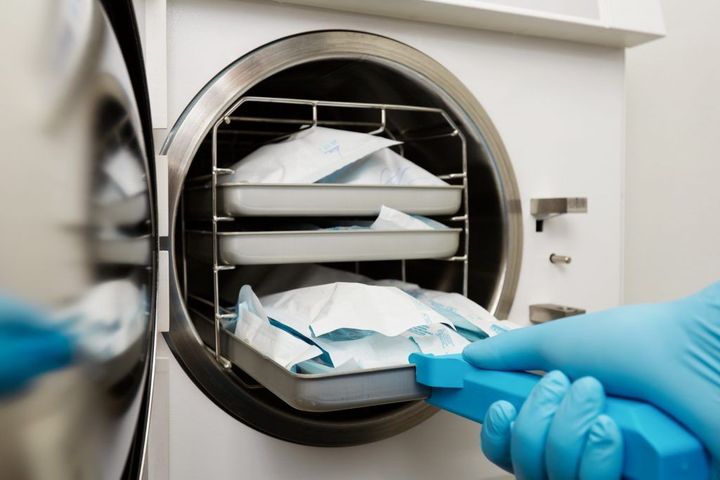
Horizontal autoclaves are industrial sterilization systems designed to eliminate microorganisms using high-pressure saturated steam. These systems are typically chamber-based and feature a horizontally aligned cylindrical vessel, allowing efficient loading and uniform steam distribution.
The primary purpose of a horizontal autoclave is to ensure effective sterilization of materials that require high reliability and repeatability. Unlike compact vertical systems, horizontal configurations support larger loads, continuous workflows, and automated processes, making them suitable for controlled environments.
Horizontal autoclaves exist to meet strict sterilization requirements where manual methods or chemical disinfection are insufficient or impractical.
Why Horizontal Autoclaves Matter Today
Sterilization reliability has become a critical requirement across multiple sectors due to increased regulatory oversight and higher safety expectations. Horizontal autoclaves play an essential role in maintaining contamination control and operational consistency.
They are relevant to:
-
Healthcare facilities processing reusable instruments
-
Pharmaceutical production environments
-
Biotechnology and life science laboratories
-
Research and testing institutions
Key problems they address include:
-
Inconsistent sterilization outcomes
-
Microbial contamination risks
-
Process validation challenges
-
High-volume material handling limitations
By offering controlled temperature, pressure, and exposure time, horizontal autoclaves help ensure repeatable sterilization cycles that align with compliance and quality assurance frameworks.
How Horizontal Autoclaves Work
A horizontal autoclave operates by introducing pressurized steam into a sealed chamber. The combination of heat, pressure, and moisture disrupts microbial structures, including spores.
Typical process stages include:
-
Pre-vacuum air removal
-
Steam injection and temperature stabilization
-
Sterilization holding phase
-
Controlled exhaust and drying
This process supports validated sterilization parameters and allows accurate monitoring through integrated sensors and control systems.
Key Technical Specifications Explained
Horizontal autoclaves are defined by several technical parameters that influence performance and application suitability.
Common technical characteristics include:
-
Chamber volume measured in liters or cubic meters
-
Operating temperature ranges typically between 121°C and 134°C
-
Pressure ratings aligned with steam saturation levels
-
Programmable logic controllers for cycle management
Typical Technical Parameter Table
| Parameter | Standard Range |
|---|---|
| Chamber Orientation | Horizontal |
| Sterilization Temperature | 121°C – 134°C |
| Operating Pressure | 15–30 psi equivalent |
| Control Interface | Digital or PLC-based |
| Cycle Validation | Sensor-based monitoring |
These specifications allow precise control over sterilization cycles while supporting documentation and traceability requirements.
Applications Across Regulated Environments
Horizontal autoclaves are commonly used where process standardization and documentation are mandatory.
Frequent application areas include:
-
Surgical instrument sterilization
-
Laboratory glassware processing
-
Pharmaceutical material preparation
-
Media and solution sterilization
Their horizontal design allows efficient loading systems such as carts or racks, reducing handling risks and improving workflow consistency.
Recent Industry Developments and Trends
Over the past year, sterilization technology has evolved to focus on automation, data integrity, and energy efficiency.
Notable developments include:
-
Increased adoption of fully automated cycle controls (2025)
-
Integration with digital record-keeping and audit systems
-
Enhanced temperature mapping and validation sensors
-
Improved steam quality monitoring
Manufacturers and facilities have also emphasized reduced water and energy usage while maintaining sterilization performance, reflecting broader sustainability goals observed during 2024–2025.
Regulatory Standards and Compliance Considerations
Horizontal autoclaves are subject to multiple international standards and regulatory frameworks, depending on their application environment.
Commonly referenced standards include:
-
ISO standards for sterilization processes
-
Guidelines for moist heat sterilization validation
-
Equipment safety directives for pressure vessels
-
Data integrity and documentation requirements
Compliance typically involves:
-
Installation qualification
-
Operational qualification
-
Performance qualification
-
Routine monitoring and revalidation
These frameworks ensure that sterilization outcomes remain consistent, traceable, and verifiable.
Validation and Monitoring Requirements
Validation is a central requirement for horizontal autoclave usage in regulated environments. This process confirms that equipment consistently achieves defined sterilization conditions.
Validation elements often include:
-
Temperature distribution studies
-
Biological indicator testing
-
Load configuration assessment
-
Cycle reproducibility analysis
Digital data logging systems support long-term monitoring and compliance reporting, reducing manual record-keeping errors.
Tools and Resources for Understanding Autoclave Systems
Several educational and technical resources support learning and compliance related to horizontal autoclaves.
Helpful tools and references include:
-
Sterilization cycle calculators for exposure time analysis
-
Temperature mapping templates
-
International standards documentation portals
-
Equipment operation manuals and validation guides
-
Technical glossaries for sterilization terminology
These resources help users understand system performance without requiring advanced engineering expertise.
Visual Overview of a Typical Sterilization Cycle
| Cycle Phase | Purpose | Monitoring Method |
|---|---|---|
| Air Removal | Eliminate trapped air | Vacuum sensors |
| Heating | Achieve target temperature | Thermal probes |
| Exposure | Maintain sterilization | Time-temperature data |
| Drying | Remove residual moisture | Pressure control |
This structured cycle ensures consistent microbial inactivation across varying load types.
Frequently Asked Questions
What makes a horizontal autoclave different from other configurations?
The horizontal chamber orientation allows larger load capacity, uniform steam distribution, and automated loading systems compared to vertical designs.
What materials can be processed in a horizontal autoclave?
Common materials include metal instruments, glassware, certain polymers, and laboratory media designed for steam exposure.
How is sterilization effectiveness verified?
Effectiveness is verified using physical measurements, chemical indicators, and biological indicators as part of validation protocols.
Are horizontal autoclaves suitable for continuous operations?
Yes, many systems are designed for high-throughput environments with programmable cycles and automated handling.
Why is documentation important in autoclave operation?
Accurate documentation supports traceability, audit readiness, and compliance with sterilization standards.
Conclusion
Horizontal autoclaves are essential sterilization systems designed to meet modern requirements for safety, reliability, and compliance. Their technical design supports consistent performance, high load capacity, and validated processes across regulated environments.
By understanding their operation principles, technical specifications, regulatory expectations, and recent developments, readers can better appreciate the role these systems play in contamination control and quality assurance.
This guide provides a clear, factual overview to support informed understanding without promotional influence.